- August 1, 2026


Flagler Schools has been planning for two years on how to comply with a 2023 Florida statute that would mandate later start times for middle schools and high schools.
Now, with the passage of Senate Bill 296 this year, the school district has another option. It can file a report by June 1, 2026, detailing its current start times, the strategies it considered to implement the later times and a description of impacts, including financial, and unintended consequences that a change would have.
Citing health, safety and academic impacts of sleep deprivation on teenagers, the 2023 law required middle schools to start no earlier than 8 a.m. and high schools to start no earlier than 8:30 a.m., beginning with the 2026-2027 school year.
Flagler Schools starts times are currently 7:30 a.m. for middle schools, 8:10 a.m. for high schools and 9:10 a.m. for elementary schools.
While the new law effectively repeals the 2023 statute, districts are required to file the report which also must include the number of board meetings, public hearings and opportunities stakeholders have had to discuss the impacts the later start times would have. Once the report is submitted, the district is considered in compliance with the 2023 law.
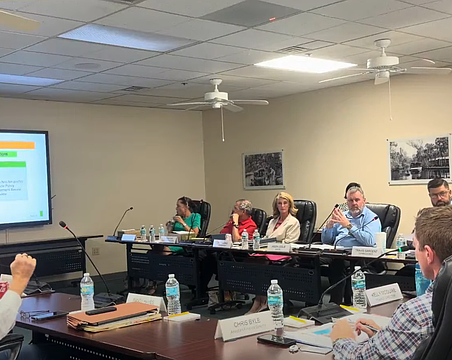
The later start times would have major financial impacts on the district, Superintendent LaShakia Moore told the School Board at its Oct. 28 workshop.
Assistant Superintendent Angela O’Brien told the Observer that a 2023 district analysis found that about seven additional bus routes would be needed to push up the start times, costing about $80,000 per route for maintenance, fuel and additional drivers. Now, it would probably be closer to $100,000 per route, she said.
The district could minimize the financial impact by changing from a tier level in transportation to combining older and younger school levels on buses. But parents typically don’t want that, O’Brien said.
“It would be very difficult to not put multiple grade bands on a bus (to comply with the later start times), because transportation needs an hour between routes for drop offs,” she said.
Other impacts would include extended day schedules, athletic schedules, child care and student jobs now that high school students would be getting out of school later. It would lengthen the middle school day to accommodate bus tiers and move teacher planning periods from after school to during the school day, which would be an added expense. School employees’ schedules would be affected.
“Some employees choose to work at specific grade levels based on their schedule,” O’Brien said.
O’Brien and Louise Bossardet, the district’s director of information systems, told the board that stakeholder feedback will be collected through a survey that will be on the district’s website beginning in mid-November, public comment at board meetings and direct feedback to board members and administrators.
The survey has specific questions for district employees, parents, students and community members and business operators.
The intention of the latest legislation is for each district to have a conversation, Moore said.
“We’re hoping families and the community will provide input,” she said.