
- August 8, 2026

In celebration of every type of mom for Mother’s Day, I thought we could honor some of the species with the most devoted, nurturing mamas.
It’s no surprise that elephants are on this list. Elephant calves stay very close to their mothers for several years, typically nursing for two to four years, but often remaining dependent on and socially attached to their mothers much longer. As they mature, females may remain within the same family heard for life, while males usually become more independent in their early teens.

During those early years the mother provides constant protection, guidance and teaching. The whole herd helps care for calves as well.
One of the species that stays with its mother the longest is the orangutan. Young orangutans often remain with their mothers for six to eight years, which is one of the longest dependency periods in the animal world outside of humans. During that time, they learn essential survival skills like building nests, finding food and staying safe while moving through the forest.
The long bond is the big reason orangutan mothers are considered some of the most devoted and patient in the animal kingdom.
Killer whale mothers nurse their young for roughly two years. Calves spend most of their time in “echelon” position which means drafting alongside of mom. This protects the calf and saves energy. Mothers guide them to the surface to breathe and calves learn hunting skills by watching and practicing with mom. In some cases, whales remain part of the mother’s family group for life.
Pregnant polar bears prepare dens in the snow and remain with cubs for months after they are born, protecting them in one of the harshest environments on Earth. Mothers do not leave, even to hunt. While mom nurses, she goes without eating, relying on body fat. Once they leave the den, mommas lead cubs across the ice and teach them survival skills.
Female octopus are among the most devoted mothers in the animal kingdom. Octopus are semelparous, which means they reproduce only once. After laying thousands of eggs, a mother octopus carefully arranges them in a protected den and spends weeks or even months, guarding them from predators, cleaning them gently with her arms and circulating fresh water over them to keep them healthy and oxygenated. During this time, she stops eating. She dedicates all of her energy to protecting her developing young.
The mother remains with the eggs until they hatch. Shortly after the eggs hatch, the exhausted female usually dies, making the ultimate sacrifice to ensure her babies have the best possible chance at life.
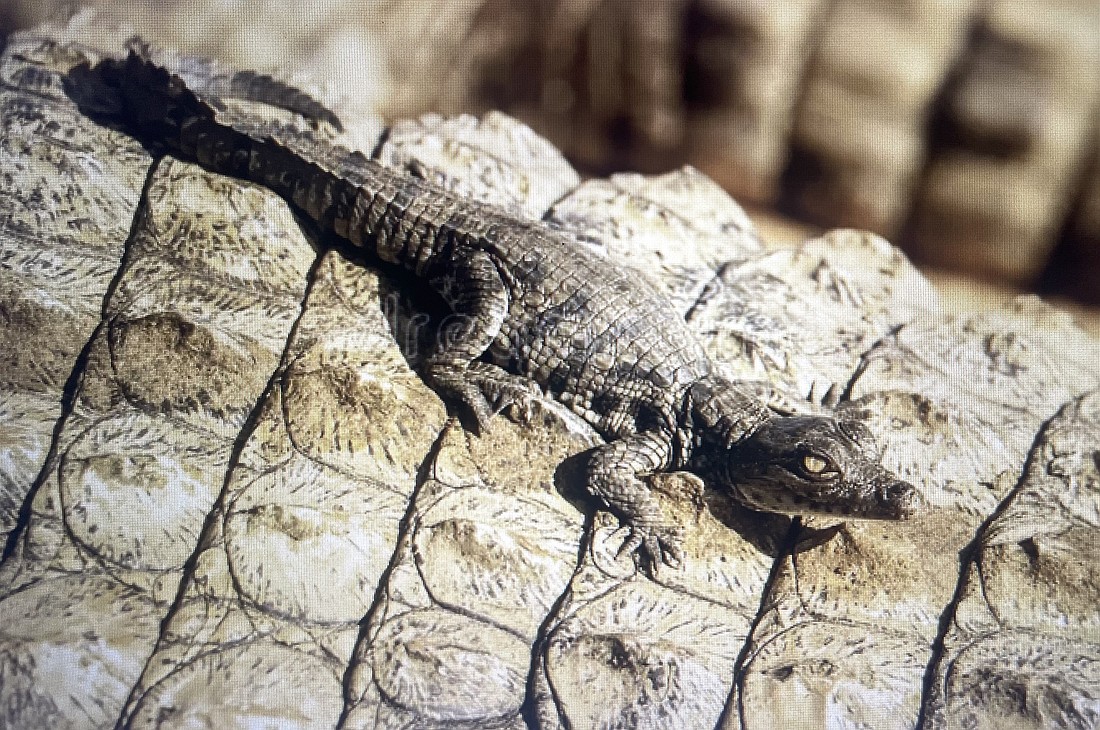
Believe it or not, crocodiles are actually very good mothers. They carefully guard their nests from predators while eggs develop and often help their babies hatch when they hear young calling from inside the eggs. After hatching, crocodile mothers often carry their babies in their mouths to the water and usually stay with and protect their young for several weeks to a few months after they hatch. The babies stay in a nursery group and in some, maternal protection can last even longer if conditions are risky. While crocodiles are powerful predators, mothers show a gentle, attentive side, with their young.
Happy Mother’s Day to moms of all species, you are a blessing!
Amy Carotenuto is the executive director of the Flagler Humane Society