
- July 26, 2026

Spay and neuter surgeries are the most common procedures performed on domestic pet animals, particularly dogs and cats. These surgeries are done to prevent unwanted pregnancies, stop overpopulation, and for medical benefits to the pet. The surgeries are routine and most go as planned but what happens when they don’t? Since these surgeries can be done at high volume clinics with minimal pre-surgical exams, sometimes things come up during surgery.
Some of the issues that may come up during surgery are early term pregnancies. This is when a pet is in the early stages of pregnancy and it is safe for the female to remove the sacks and continue with the spay. These are not viable at this stage, so removal is the best option, especially in feral or community cats.
A female pet could be in coming into heat and there is not always bleeding to indicate this. The heat cycle causes the uterus to become inflamed and makes for a tougher surgery for the veterinarian. These pets usually spend a little bit more time under anesthesia and it makes for a longer surgery.
A male pet having an undescended testicle (called a cryptorchid) can be determined prior to surgery, but it can be hard to locate them without an x-ray or ultrasound. Many are located close to the descended testicle but that is not always the case. Some of them can be located further up into the abdomen and it is a mission to find and remove them. This also results in longer anesthesia and surgery time. There will also be a larger incision resulting in longer healing time after surgery.
We, as pet owners, don’t often think of spay and neuter as major surgery but it is. It is done so routinely that we don’t realize that it is equivalent to us, as humans, getting major abdominal surgery. It is the removal of an organ. There can be pain and complications after surgery. Animals are most likely going to be sent home with some form of pain medication and aftercare instructions. These will include no bathing due to the surgery site, restriction of exercise, and keeping the incision site clean.
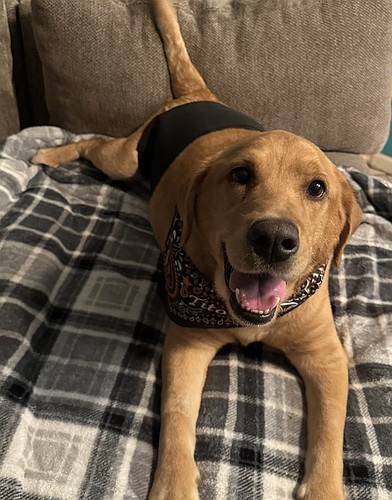
I recently had a dog that I was caring for after a cryptorchid neuter surgery that had some minor complications from the surgery. Unfortunately, he had to have the more invasive surgery as his undescended testicle was located in his abdomen area. After surgery, he had some residual bleeding from the suture site and went home with a belly wrap for compression. I was getting concerned as the bleeding had not resolved 3 days after the surgery was performed. I was able to connect with a veterinarian through Telemedicine (a service now available to pet owners) and was reassured that this was normal for this type of surgery as it can have more bleeding and bruising than a normal surgery. Be sure to ask your veterinarian what the complications could be following any type of surgery so that you are prepared for whatever could happen. I have been in animal welfare for over 25 years but have never had to deal with the aftercare for this type of surgery before so I was concerned when a complication happened. By the way, Teddy’s doing amazing
Flagler Humane Society offers low cost spay & neuter surgeries along with a wellness clinic. Call 386-445-1814 for more information. No matter where you take your pet for spay/neuter surgery, Flagler County offers a $25 rebate to incentivize everyone to spay/neuter. To receive your rebate, send proof of surgery within 60 days of surgery to Flagler Humane Society along with your request for a rebate and your mailing address.
Katie Share is the lead officer for Flagler Animal Services. She has worked in animal welfare as a veterinary assistant, manager and protection officer for over 20 years.