- June 30, 2026

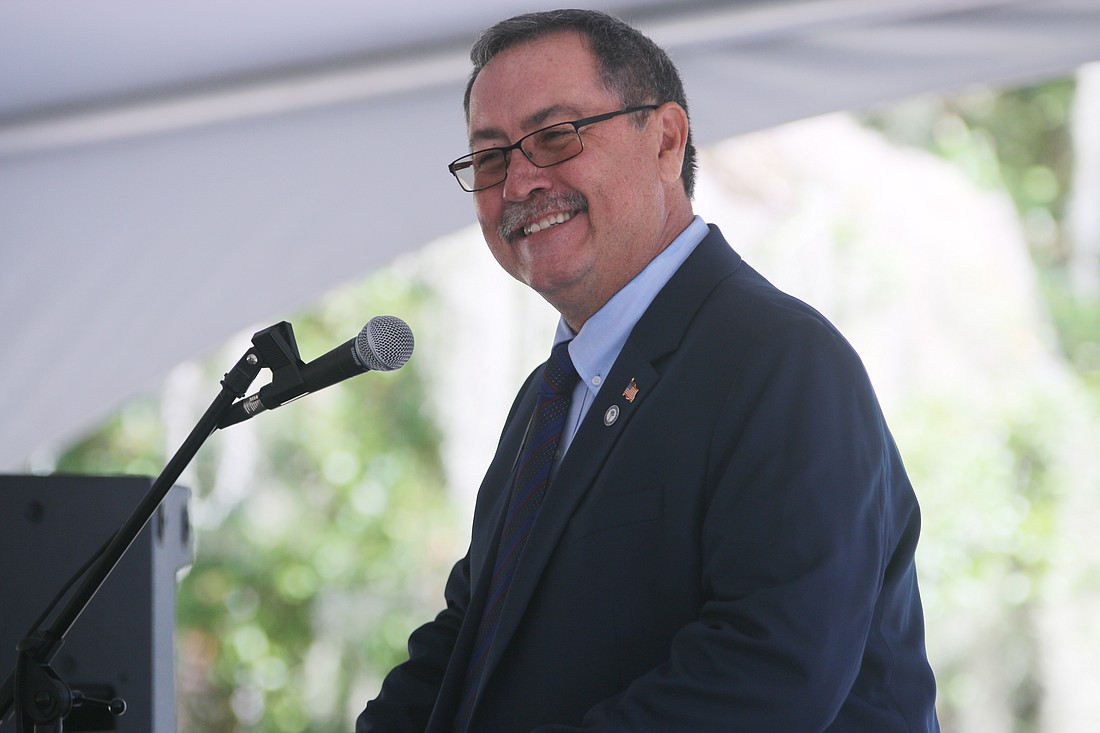
Has Ormond Beach kept a watchful eye on spending? Ormond Beach City Commissioner Harold Briley says yes.
"Ormond Beach has the second lowest millage rate of all cities in Volusia County," he said. "This year, we are looking at keeping our tax rate flat. Ormond Beach residents enjoy quality city services, beautiful parks and recreation programs for all ages. The city has recently done some much needed maintenance and repairs in Central Park, which many of our residents enjoy year-round."
Briley, who represents Zone 4 on the commission, recently participated in a Q+A with the Observer on issues including recent projects in the Central Park neighborhood, AI data centers and "toilet-to-tap." Here is what he said.
What are some issues you think are top of mind for the residents of Zone 4?
I believe some of the issues that are top of mind of Zone 4 residents are the continuing demands on our infrastructure, our tax rate, our environment and water quality. These issues require steady and experienced leadership, careful planning and increased coordination with neighboring jurisdictions, state agencies such as the St. Johns River Water Management District, and input from our residents.
You had previously been in favor of putting a proposed "toilet-to-tap" water reuse ban out to the voters. What changed your mind?
I was initially in favor of putting “Toilet-to-Tap” on the ballot, and I still oppose deep well injection of treated effluent into our aquifer. In my opinion, pumping treated effluent into the aquifer is not natural or acceptable. The primary reason the current ballot initiative lost my support, is due to other options of recycling treated effluent into our water supply that are not considered in the language, such as creating man-made wetlands that store treated effluent, thus allowing it to naturally percolate and filter into the aquifer. This is currently being utilized by other Florida cities, like Gainesville. This option was not addressed in the existing proposed “Toilet-to-Tap” ballot initiative and could potentially be a useful “tool in the toolbox.”
The city is budgeting for the construction of a new pump station on Fleming Avenue next year. Fleming also had significant roadwork in the last year. Can you outline the importance of investing in the Central Park area to the community? Are there any other projects in the pipeline?
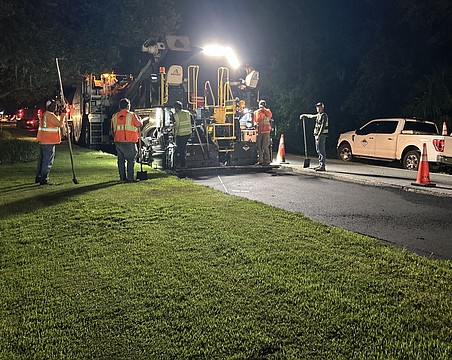
The Fleming Avenue project was a major initiative of the city to help reduce flooding in the neighborhoods in and around Central Park. This $2.3 million project was funded by the Florida Department of Emergency Management and the City of Ormond Beach. Through this project, the city was able to increase the size and number of drainage pipes in retention ponds and lakes in the Central Park area, helping to increase the flow of stormwater to facilities to the north. The next Fleming Avenue pump station and force main project is a $17.5 million project, with a Legislative Appropriation of $5.3 million, a Transform 386 contribution of $8.8 million and a city contribution of $3.4 million. These projects will help significantly with flooding issues in the Fleming Avenue and Central Park areas.
In Zone 4, we currently have another Transform 386 stormwater project for the neighboring properties of Tomoka Elementary School. This area experienced significant flooding during Hurricane Milton. We anticipate this project to begin in the late fall of 2026.
The governor recently signed a law allowing local governments to regulate AI data centers. Is this something the city should explore, and if so, how should they be regulated?
I applaud the governor for allowing cities to regulate Artificial Intelligence data centers. I truly believe that they are a detriment to our resources, especially water and the demand for electricity. I recently suggested at a City Commission meeting that we may want to put bans on these data centers in the City Charter, that way, residents would have to vote by a super majority to allow them in the future and could not simply be approved by future City Commissions.
You have been on the City Commission for about four years now. What are some things you're proud of to have accomplished, and what are some things you'd like to continue working on?
There are several things that have taken place during my tenure on the City Commission that have been accomplished. New sidewalks in Zone 4, especially those in Forest Hills that needed repairs and replacement for many years. The city was able to get funding from outside sources to assist in their replacement. The Fleming Avenue stormwater project will provide much needed relief for houses in the Central Park and surrounding areas. We need to keep looking for more funding from Tallahassee and other sources, such as FEMA to assist in alleviating the pressures of flooding. We also created a dedicated millage rate for our recreation needs. This was positive for recreation, and beneficial to our residents. We have also been mindful of our spending, keeping our tax rate the second lowest in the county.
Growth is a topic that's on many residents' minds. In your opinion, what is smart growth?
Ormond Beach currently experiences a growth rate of 1-2% per year. This is a relatively low growth rate. Unfortunately, our residents are experiencing the effects of much higher growth rates in our surrounding cities. The explosive development of apartment buildings and commercial buildings on Williamson Boulevard, Clyde Morris Boulevard, and LPGA Boulevard have significantly increased traffic on our east/west corridors, such as Granada Boulevard and Hand Avenue. The county is currently widening Hand Avenue and Williamson Boulevards to try to keep up with the increased traffic demands. Unfortunately, this still does not consider the recently approved Avalon Park project in Daytona Beach that the Daytona Beach City Commission recently approved. As I stated earlier, better communication and better regional planning is needed to determine how these developments impact our infrastructure.
With the governor's property tax reform proposal on the ballot, what are some priorities you'd like for the city to keep in mind as it plans the budget for next fiscal year? Is going flat the right decision for the tax rate?
As mentioned earlier, I do believe keeping our tax rate flat for next year is appropriate. There are many questions about the governor’s tax proposal that will need to be answered. I believe the city needs to keep public safety as a top priority, maintaining quality city services, and ensuring that we have the necessary resources to carry out critical services.