
- August 10, 2026

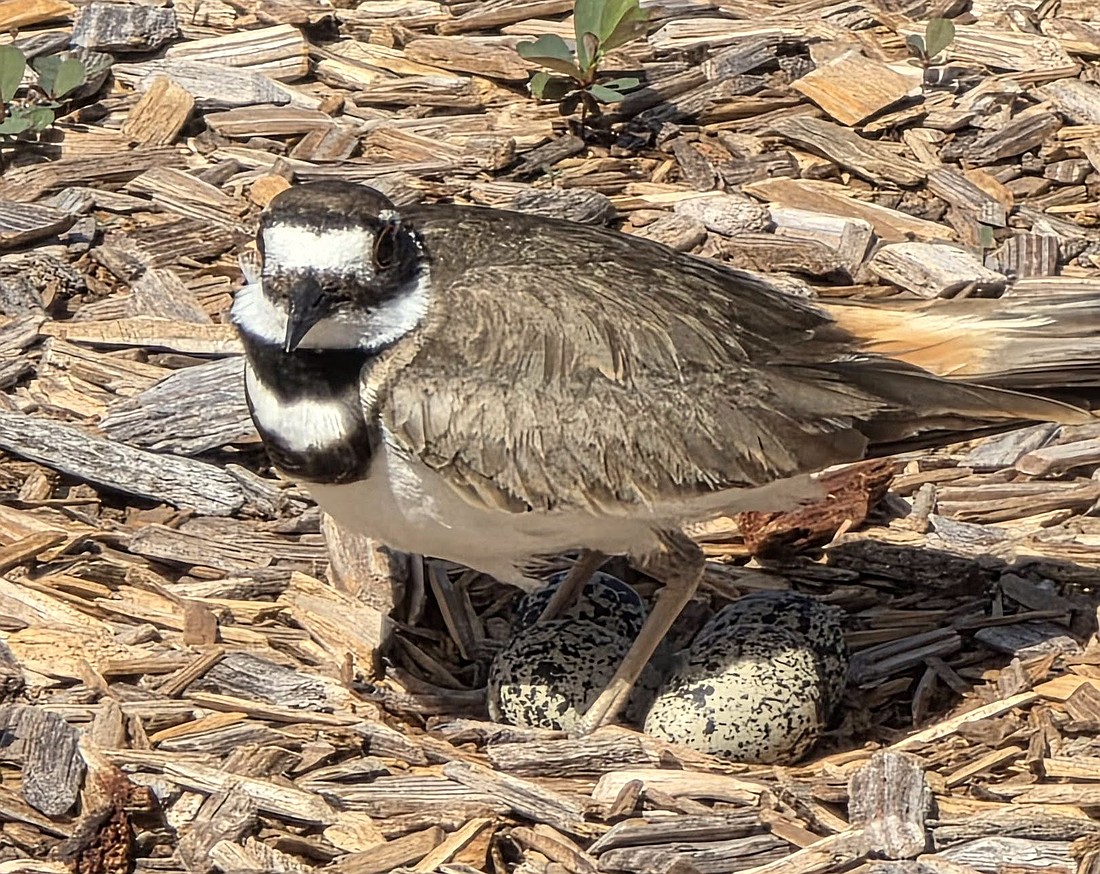
It is not every day that a school playground becomes a protected wildlife sanctuary, but that is exactly what happened at Wadsworth Elementary School this past month. What started as a "little problem" on the kindergarten playground transformed into a school-wide lesson in compassion, adaptation and environmental stewardship.
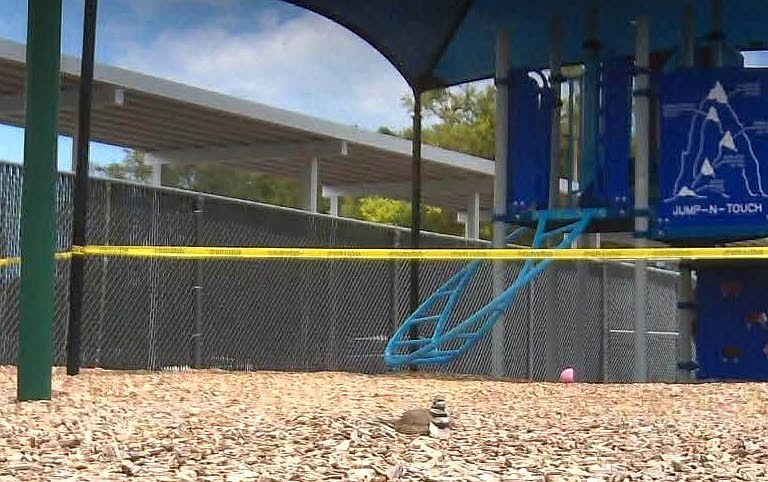
On May 4, staff discovered a single egg sitting directly in the middle of the high-traffic kindergarten play area, fiercely guarded by two tiny, protective birds. A quick photo search revealed that the school was host to a pair of killdeer parents. Because killdeer lay their eggs on open ground and are protected under the federal Migratory Bird Treaty Act, moving the nest was out of the question.
Wadsworth Elementary School Resource Deputy Annie Lagana sprang into action. The playground was wrapped in caution tape, the nest was blocked off and the entire school community adapted.
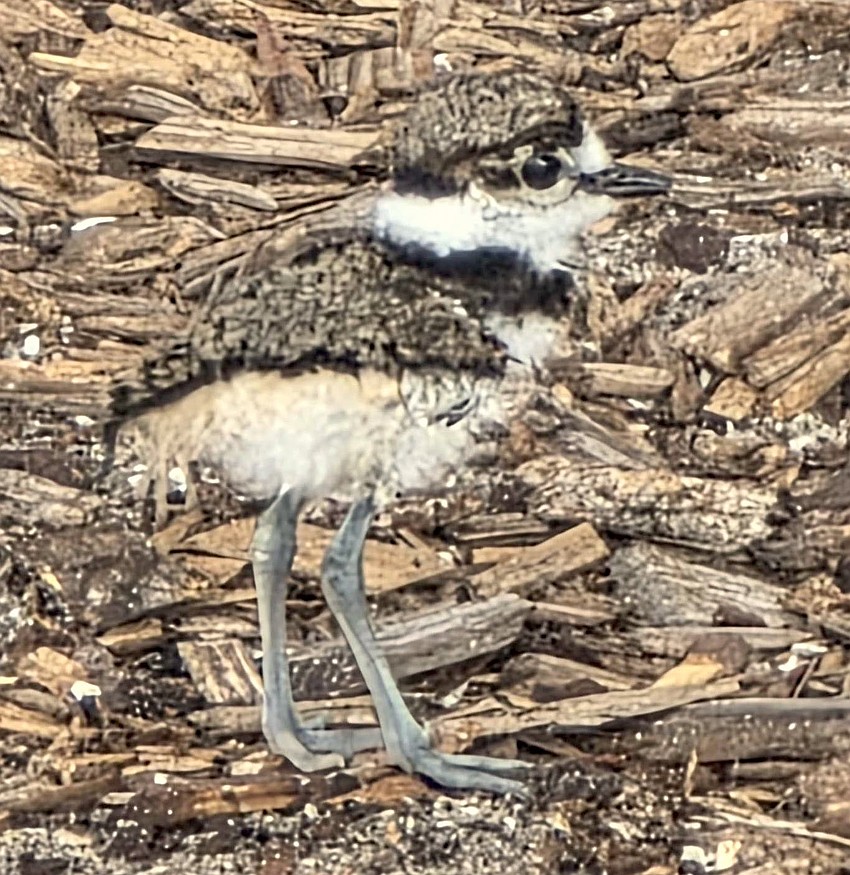
The nest quickly became a hands-on science lesson. Teachers used the opportunity to teach students about wildlife conservation and the importance of sharing our spaces with nature.
Behind the scenes, the nest could be monitored around the clock using a trail camera. The journey was not without its drama. Over the four-week incubation period, the nest braved potential predators like squirrels and crows, extreme Florida heat with even hotter ground temperatures and a torrential downpour that briefly threatened the nest.
The incubation period climaxed on June 2. Excited killdeer chatter erupted across the yard. A quick check of the nest revealed the ultimate reward: the arrival of four tiny, fuzzy, newly hatched chicks.
While the proud parents quickly and loudly ushered human onlookers away, the successful hatch marked a joyous conclusion to a unique school year event.