- July 28, 2026

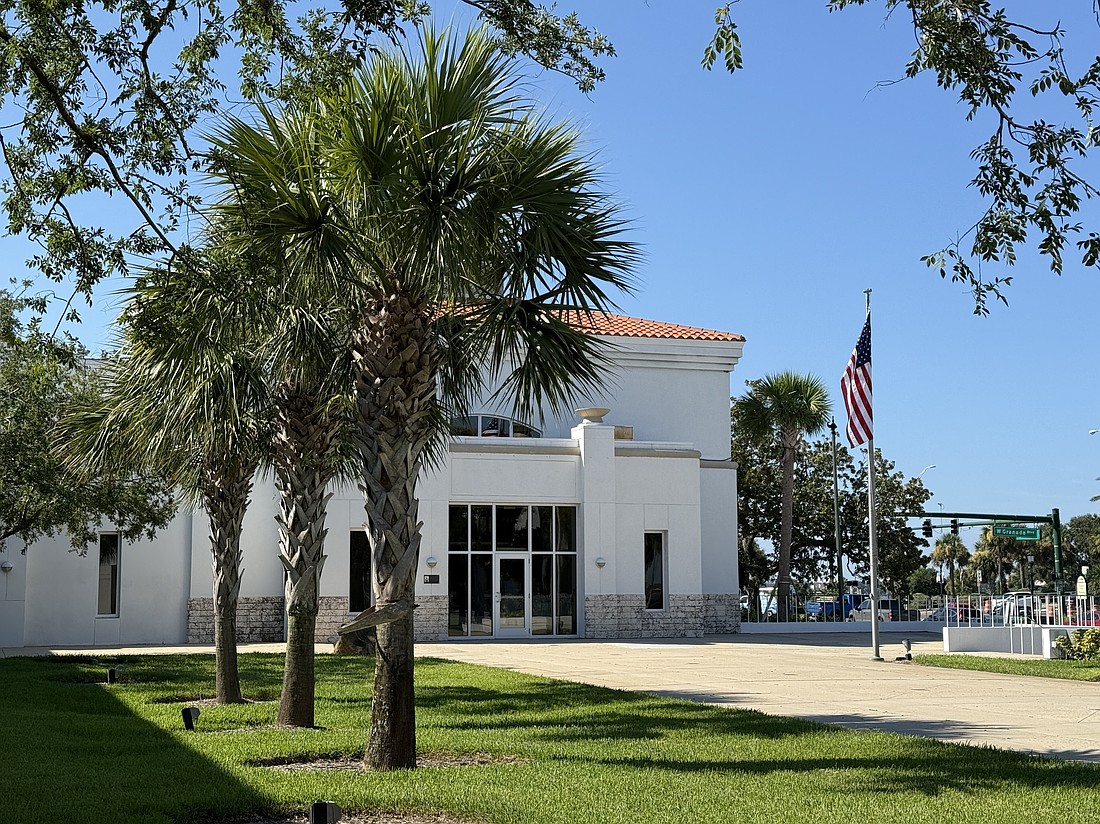
As municipalities brace themselves for revenue shortfalls caused by the governor's proposal for property tax reform, the City of Ormond Beach is looking to adopt a flat tax rate for the 2026-2027 fiscal year.
During a workshop on Tuesday, June 9, the City Commission directed staff to prepare a budget based on a tax rate of 4.3202 mills, or or $4.3202 per $1,000 in taxable property value, for its general fund. This tax rate, according to city staff, would provide funding to maintain current services and account for the increases caused by collective bargaining agreements and operating expenses.
"We gave staff direction in the last couple meetings to stay flat and I think I'm still on board with staying flat this year because of what's coming down the pipeline," Commissioner Travis Sargent said.
Last week, Florida lawmakers passed a constitutional amendment that will give voters a choice this November on raising the homesteaded property tax exemption. The amendment would increase the homestead exemption to $150,000 in 2027, and then $250,000 in 2028, for non-school property taxes.
New residents moving into the state after Dec. 31, 2026, would begin with a $50,000 exemption, and would need to have five years of residency before reaching the $250,000 exemption.
Cities like Ormond Beach are looking at what that would mean for future fiscal years, as property taxes account for significant shares of their operating budgets. In Ormond, homesteaded properties currently bring in $11.2 million and account for 44% of tax revenue.
If the property tax reform amendment passes, almost $1.9 billion in taxable values will be lost in the city as 7,412 would be exempt from the tax roll — about 59% of homes in the city won't pay property taxes.
That will translate to about a $8.2 million shortfall in Ormond Beach by 2028, said Finance Director Kelly McGuire.
City staff did outline a budget forecast if the commission opted to go to rollback next year, but the rollback rate (which generates the same amount of tax revenue as the previous year) would increase the budget shortfall caused by property tax reform to $10.2 million because the city would have a deficit of $3 million in the next fiscal year and taxpayers would only save about $70 on average.
"We're already gathering all the data right now, and it's going to take us a number of months to do that, and really dig into everything that the commission will need to make these decisions if this amendment passes," McGuire said.
And that will likely mean cutting services, she explained to the commission. A loss of property tax revenue means a permanent reduction in services, or the addition or increase in other fees to generate new revenue.
"When the tax goes away, the tax revenue goes away," McGuire said. "It goes away forever ... which means the expenditures have to also go away forever."
To put the deficit in perspective, McGuire explained that the city could cut its entire parks and rec department — which includes grounds maintenance for the whole city — and still be about $1 million short of the $8.2 million tax loss.
"Just so we understand the gravity of what we're talking about," McGuire said.
Commissioner Harold Briley said that "fiscally prudent and responsible" cities are the ones that will feel the brunt of the impact caused by the governor's property tax reform proposal.
"This commission and prior commissions have always boasted about how fiscally prudent and sound Ormond Beach is," Briley said. "... I think right now we're number two, second lowest [millage rate] in the county, which means we don't overspend."
Deputy Mayor Lori Tolland agreed, and said that while there are always projects she'd like the city to do, this isn't the time to add to the budget.
"I'm very much in favor of staying flat and I wold hate to go to rollback because getting out of that hole and cutting services that we can't get back? I think our residents deserve more," she said.