- August 5, 2026

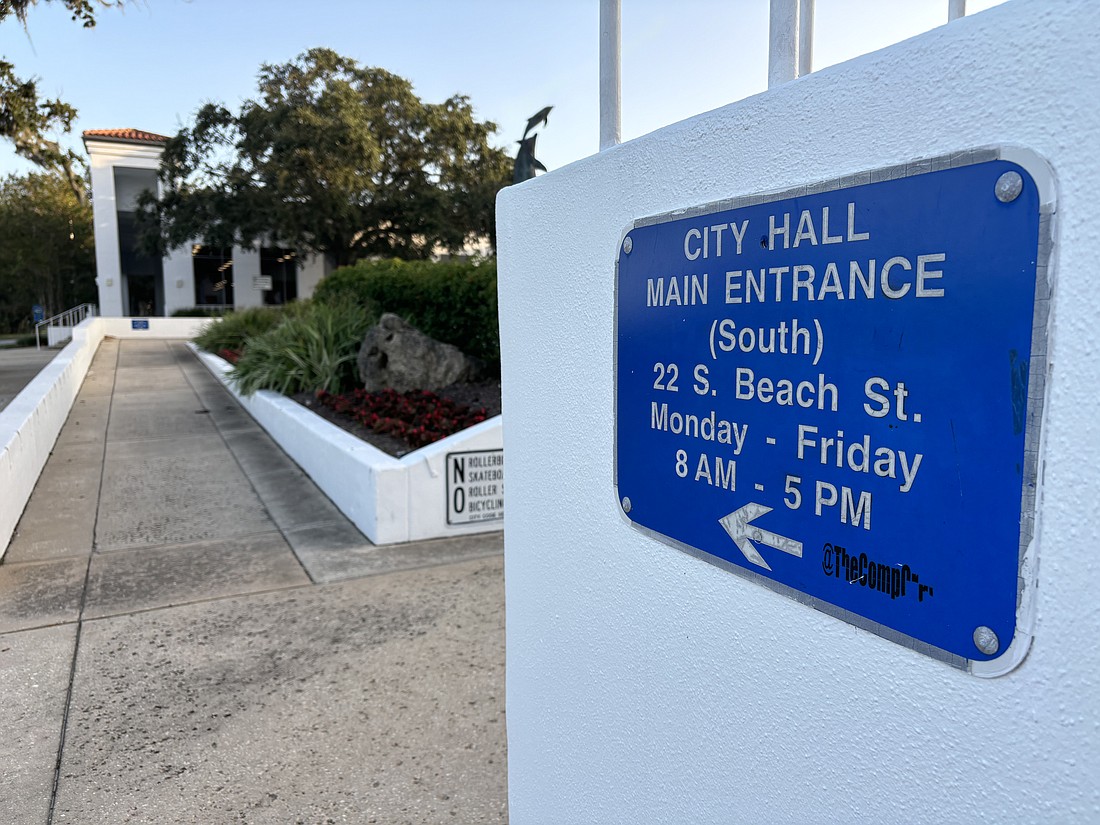
The conversation surrounding a possible "toilet to tap" ban continues to swirl in the City of Ormond Beach, as officials participated in an educational workshop on Tuesday, May 5, about water reuse.
The workshop was held a month after the City Commission's previous discussion on April 7, in light of a grassroots push to allow voters to decide on a ban to reuse wastewater for potable water. Local political committee Let Volusia Vote, led by Daytona Beach resident Greg Gimbert, is advocating for the matter to be placed in the 2026 ballot as a Volusia County charter amendment.
So far, two Volusia cities have agreed to put a "toilet to tap" ban on the ballot: Daytona Beach and Edgewater. In February, the Volusia County Council struck down the issue in a 4-3 vote, with officials saying it wasn't a local problem, as the county has no current or future plans to recycle wastewater into drinking water.
Though Ormond Beach City Commissioners have discussed the issue a few times this year, no official decision or vote has taken place. The workshop was held after commissioners asked for more education on water reuse.
"It's always a pleasure to hear from experts, because we are not experts," City Commissioner Travis Sargent said. "I'm not an attorney, I'm not a water expert, and I think three things that you said were education, facts and informed decisions, and that's what's key to make any decision that we do as elected officials."
At the workshop on Tuesday, city staff brought two guest speakers on water supply and reuse: Randy Brown, president of WateReuse Florida, and Michelle Wittig, an environmental consultant who serves on several city advisory boards and the county's Environment and Natural Resources Advisory Committee.
Brown — who has worked in the water and wastewater field for 48 years, including 21 as the utilities director for the city of Pompano Beach — explained that there are 13 potable reuse pilot projects in the state of Florida.
Some of the municipalities and cities that have explored pilot programs include Daytona Beach, Clearwater, Tampa, Hollywood, Miami-Dade County and Polk County.
"The state's not forcing any municipality or county to utilize this technology," he said. "It's entirely up to the discretion of the local government, but water is a valuable resource."
Brown told officials to keep an open mind about potable reuse, and not "take away a future that you may need for your city in the future."
"Florida's water future will require more than one tool," he said. "Potable reuse as a tool in the toolbox."
City staff said there are no current plans to begin a potable water reuse pilot in Ormond Beach as the city has enough water supply and capacity to sustain itself.
Before the issue is placed on the ballot, Commissioner Lori Tolland said the initiative needs to be accompanied by an education piece as the "toilet to tap" label is "misleading."
"It wants you to believe that all reuse water directly goes to your spigot," Tolland said. "It does not want you to know that reuse undergoes advanced multi-barrier treatment designs and meets strict safety standards."
At the commission meeting that night, commissioners heard from both supporters and critics of the "toilet to tap" ban.
Ormond Beach resident Jerry Valcik, a retired engineer who spent a bulk of his career around safe drinking water practices, said "toilet to tap" is not "an imminent consideration for adequate water supply now or in the near future."
"From a technical standpoint, I wonder why this question even arises, since there's enough capacity in our water treatment facilities to meet our near future need," Valcik said. "For longer-term needs, there's desalination. Another consideration is water conservation, so 'toilet to tap' is not an issue for us, technically speaking. Why is it receiving so much attention now? Political motivation?"
Elena Krafft, an Ormond Beach resident who is part of Let Volusia Vote, said she expected the commissioner's workshop to be an "open, educational discussion."
"What I witnessed instead was a one-sided presentation designed to sell us treated sewage as drinking water," Krafft said.
At the workshop, Commissioner Harold Briley said voters should have the last say on whether to allow "toilet to tap" water reuse.
"Any commission can undo what a previous commission has done, but the voters can also undo what previous voters did," Briley said. "But I think if you put in the charter and you give the residents the ability to vote on it."
Mayor Jason Leslie agreed.
"They're educated people and they'll make their own choice," he said.