- July 26, 2026

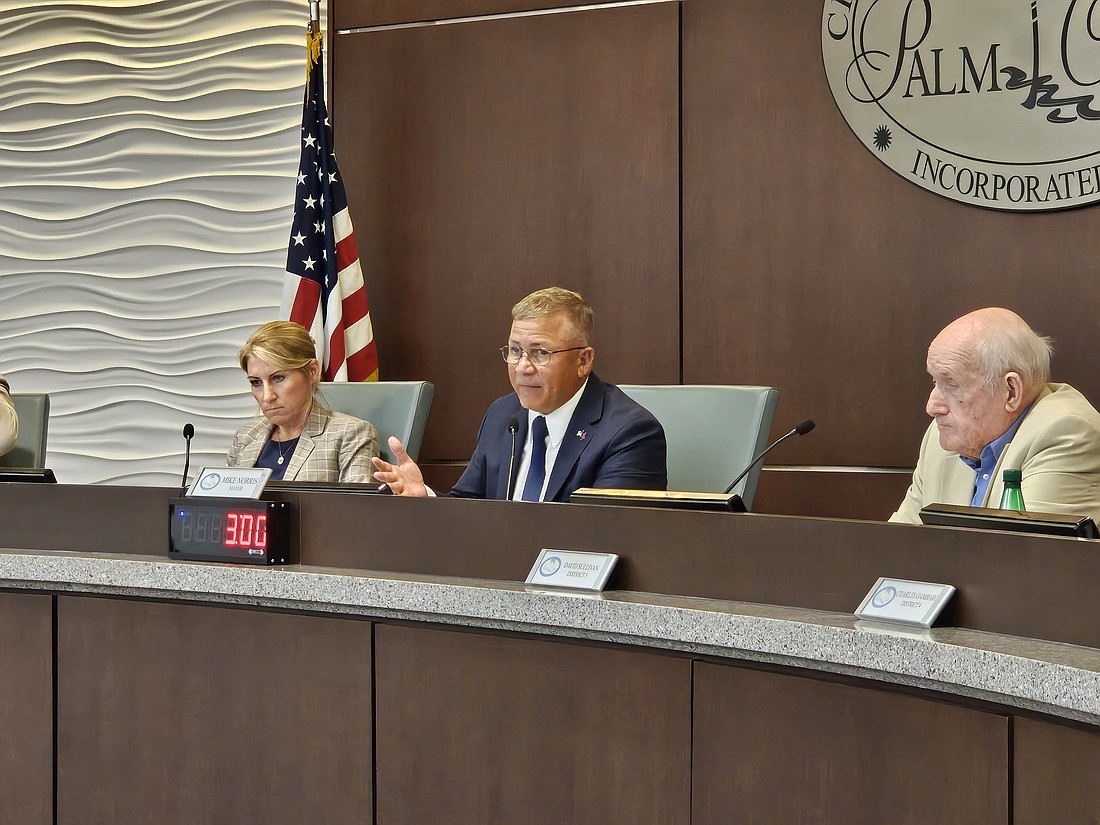
Palm Coast officials are beginning preparations for what could be a difficult budget cycle, with Mayor Mike Norris calling for an "austerity budget" approach and advocating for a full rollback millage rate as city leaders face slowing property value growth and uncertainty surrounding potential statewide property tax changes.
During a June 9 budget workshop, Norris said residents want to know what steps city government is taking to prepare for possible financial challenges and revealed he has asked staff to explore ways to reduce spending before considering new revenue sources.
"We have to start prepping now," Norris said.
Norris said he has directed staff to begin developing what he described as an austerity budget framework that would identify potential savings and efficiencies throughout city government.
He also said the city should pursue a full rollback millage rate if possible, arguing that residents deserve tax relief while the city adjusts to a changing financial landscape.
"The state is doing this for a reason, because we have to be more conservative in the way we govern our city," Norris said.
A rollback rate is the property tax rate that would generate the same amount of revenue from existing properties as the previous year, excluding revenue generated from new construction.
The discussion came as city staff presented an early outlook for the fiscal year 2027 budget, which shows Palm Coast continuing to generate additional property tax revenue, but at a much slower pace than during the rapid growth years that followed the COVID-19 pandemic.
Gwen Ragsdale, the city's budget and procurement manager, told council members that maintaining the current millage rate of 4.0893 mills would generate approximately $44.7 million in ad valorem tax revenue during fiscal year 2027. That represents an increase of roughly $1.5 million over the current fiscal year.
The city's preliminary taxable value certification from the Property Appraiser's Office shows overall taxable values increasing by 3.58% for fiscal year 2027. New construction accounts for much of that growth, with taxable values from new development increasing approximately 4.83%. Existing properties, however, experienced a decline in taxable value of about 1.25%.
Ragsdale said the modest increase in revenues will require city officials to take a closer look at spending requests as they prepare next year's budget.
"Developing the fiscal year 2027 budget to meet community needs will be particularly challenging this year since we are not experiencing the same level of growth in revenue as in previous years," Ragsdale said.
The city is currently reviewing budget requests with department directors and City Manager Mike McGlothlin and plans to provide a more detailed budget presentation in July after receiving final taxable value figures from the Property Appraiser's Office.
Adding to the uncertainty are proposed constitutional amendments and legislative discussions in Tallahassee that could significantly alter Florida's property tax structure. City officials said they are closely monitoring proposals involving homestead exemptions and other ad valorem tax changes that could affect local government revenues.
Councilman Charles Gambaro said city leaders should begin preparing now for potential impacts while identifying projects that can be completed with currently available resources.
"What are the things we can get done while we have the resources to do it?" Gambaro asked.
Gambaro said planning for future budget cycles will require a better understanding of how proposed changes to homestead exemptions and property tax policies could affect city revenues. He urged staff to continue working with the Property Appraiser's Office to determine potential impacts before the city begins making major financial decisions.
Vice Mayor Theresa Pontieri said she reviewed Palm Coast budget records dating back to 2021 and found the city experienced significant revenue growth during the post-pandemic housing boom as thousands of residents relocated to Florida and new construction surged.
"We had a ton of people move here. We had a lot of new construction," Pontieri said.
Pontieri said the influx of residents generated substantial new revenues for the city but also created additional demands for services, staffing and infrastructure improvements. She noted that Palm Coast's budget grew significantly between fiscal years 2021 and 2023 as the city responded to the rapid pace of growth.
She said city leaders must now evaluate spending levels in light of changing economic conditions and slower growth in both housing and construction activity.
As part of that effort, Pontieri requested additional financial information from staff, including a breakdown of reserve funds, appropriated fund balances, grant-funded programs and the status of Holland Park settlement funds. She said the information would help council members better understand the city's financial position before making budget decisions.
The workshop also highlighted Palm Coast's dependence on property taxes as its primary revenue source.
According to the presentation, ad valorem taxes account for approximately 63% of the city's general fund revenue. Public safety, including fire services and the city's contract with the Flagler County Sheriff's Office, consumes the largest share of the general fund budget at approximately 49%. Public Works accounts for roughly 16%, while Community Development receives about 14%.
Despite the concerns raised during the workshop, officials emphasized that Palm Coast remains in a stable financial position and continues to maintain one of the lower millage rates among similarly sized Florida cities. Staff noted that the city will continue evaluating options and monitoring developments in Tallahassee as the budget process moves forward.
The City Council is scheduled to receive a detailed general fund budget presentation on July 14, followed by consideration of the proposed maximum millage rate on July 21. Public budget hearings are expected to take place in September before adoption of the final fiscal year 2027 budget.