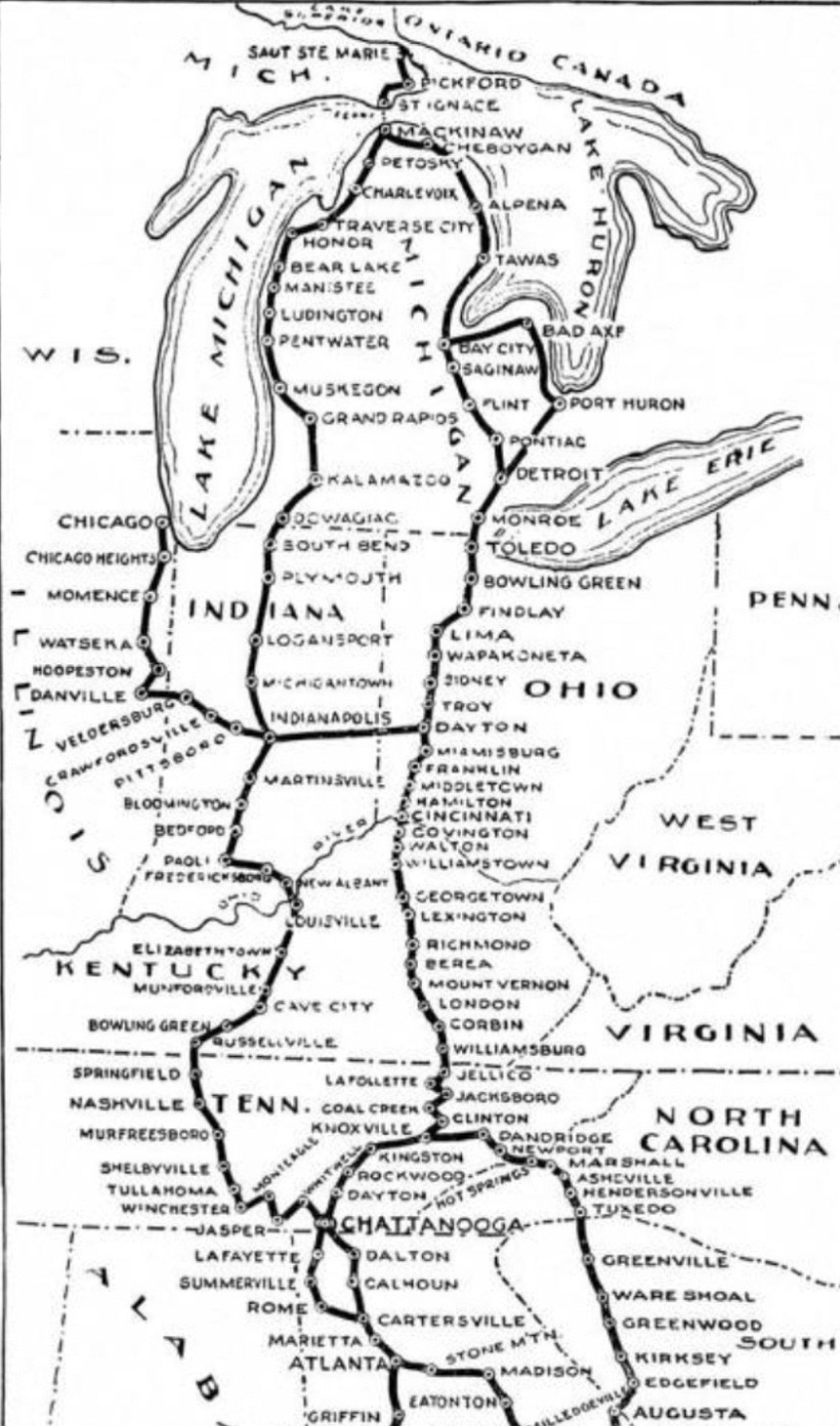
Photo courtesy of Palm Coast City Historian Preston Zepp. Road Map of the full roadway. Red dot is Flagler County section we were on.
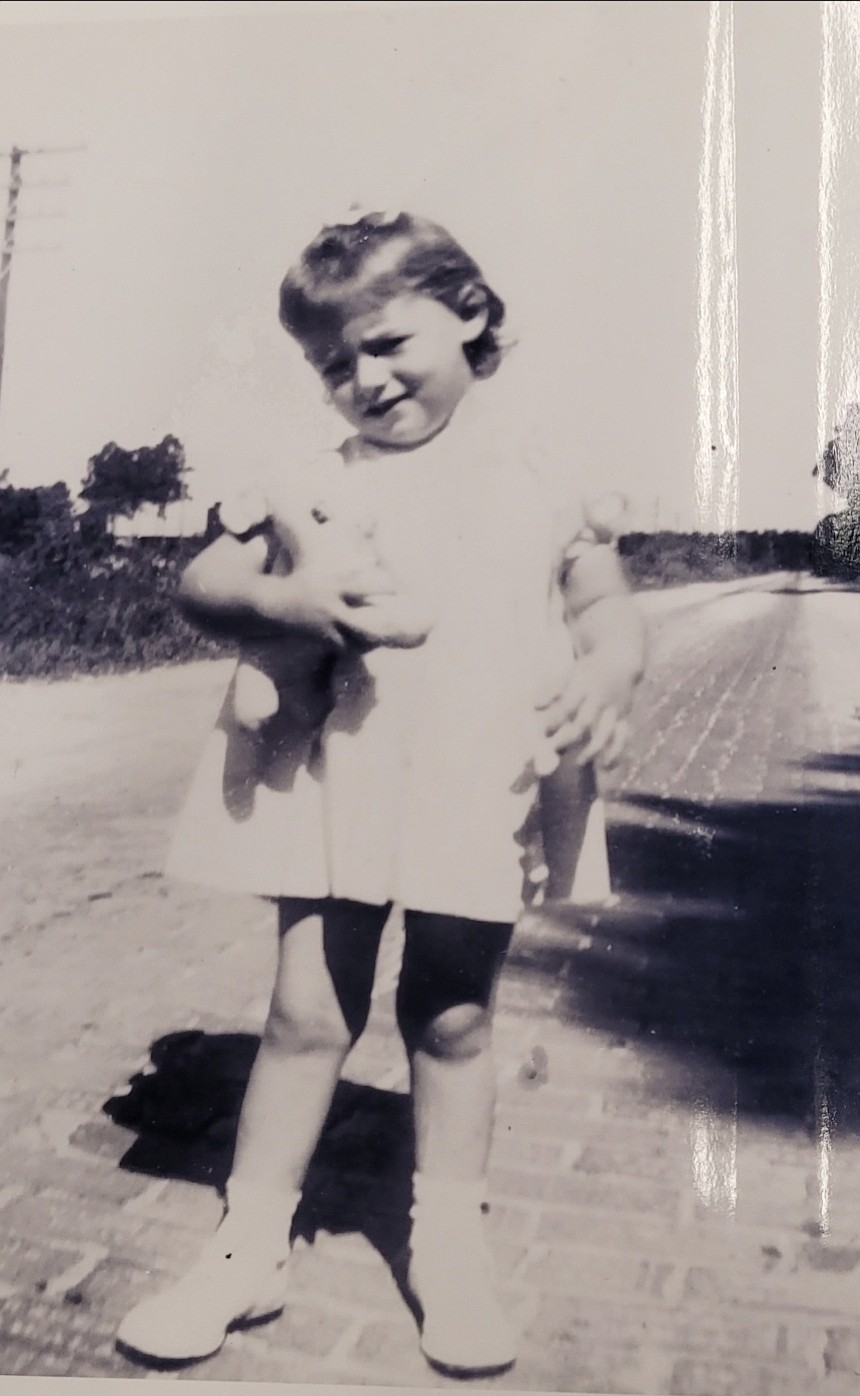
Claudia Deen (Malo) on Dixie Highway. Photo courtesy of Palm Coast City Historian Preston Zepp.
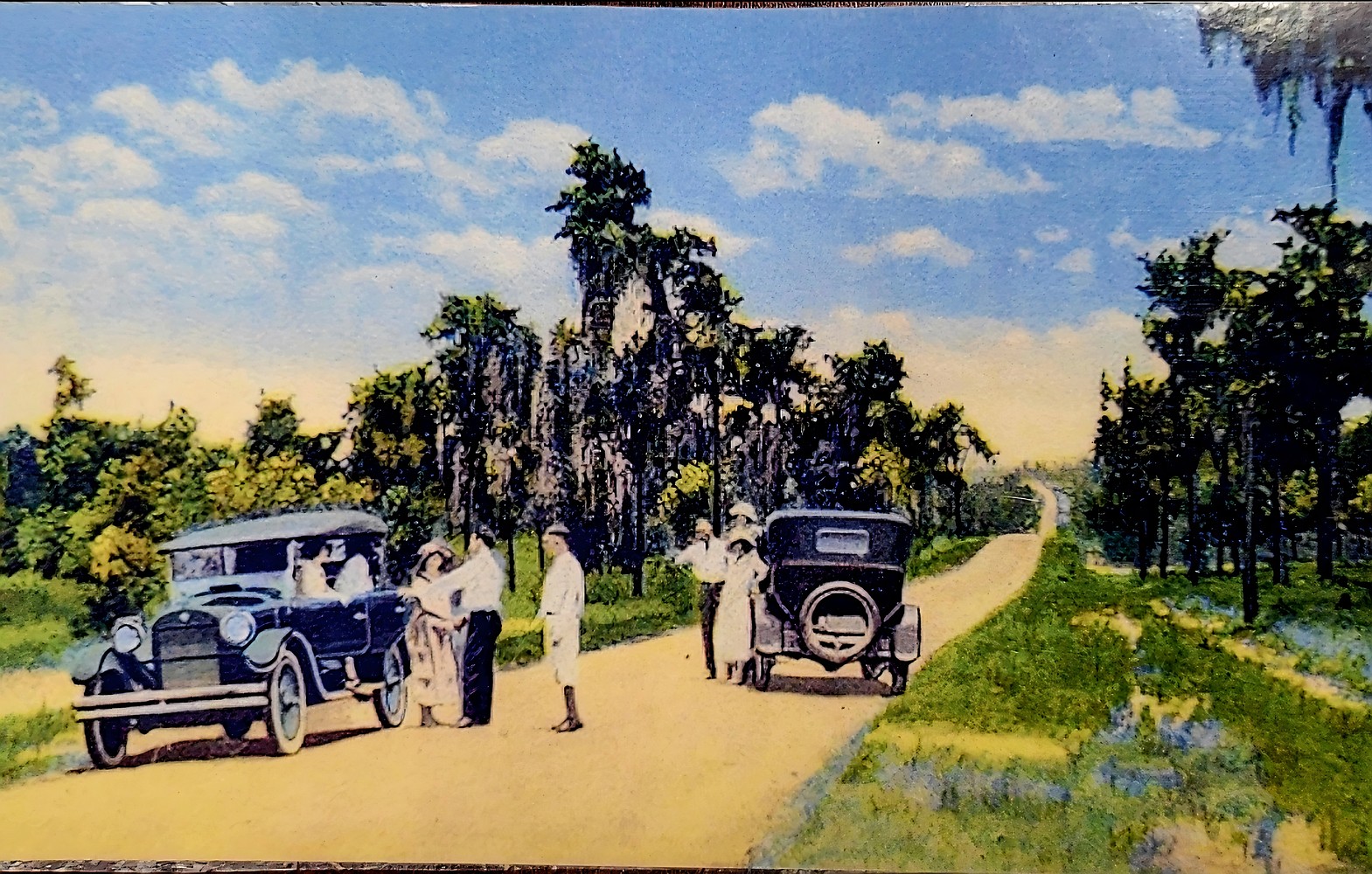
Postcard about Dixie Highway, 1920s. Photo courtesy of Palm Coast City Historian Preston Zepp.
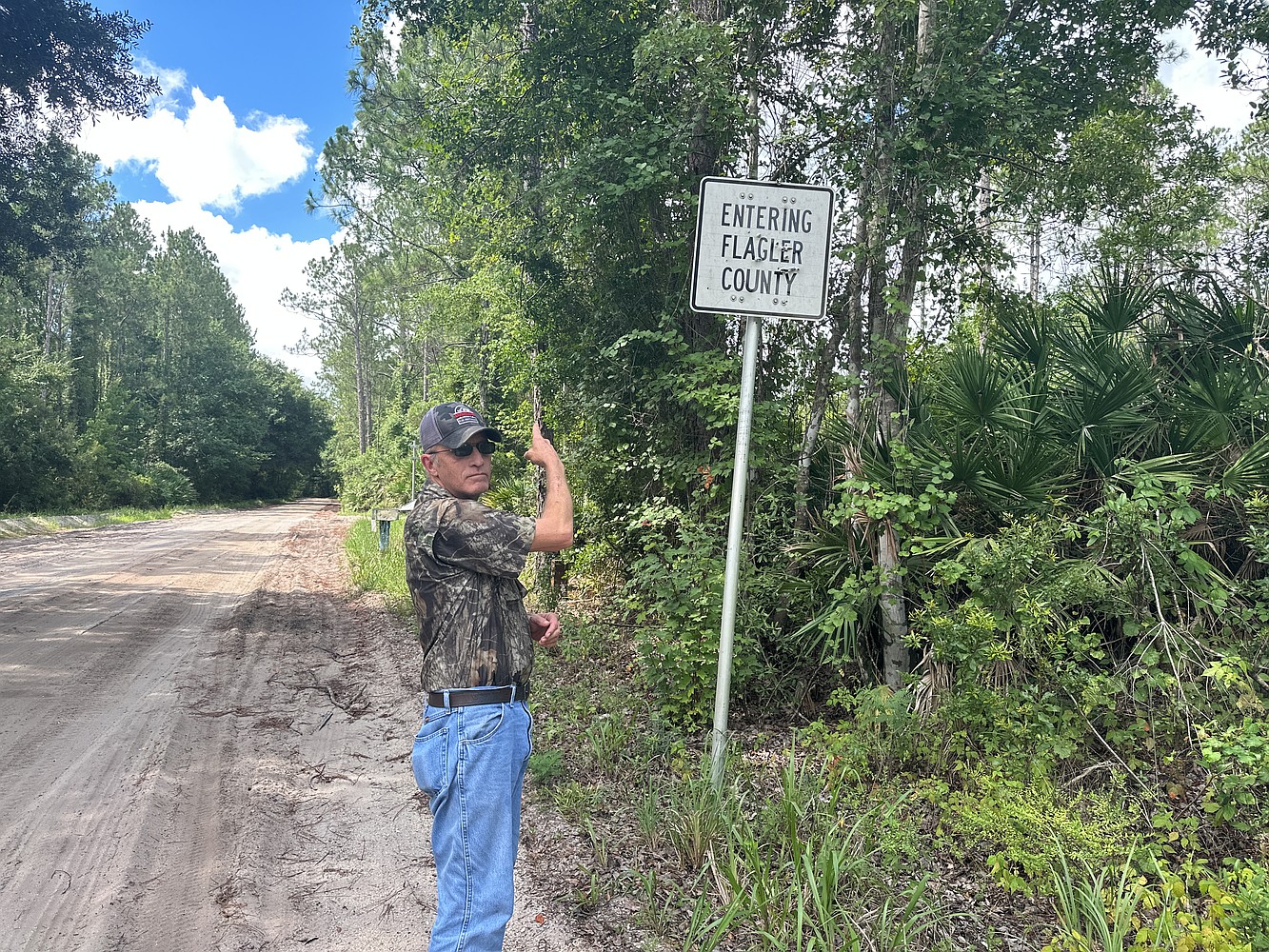
Palm Coast City Historian Preston Zepp points out the Flagler County line along the historic Dixie Highway, also known as Brick Road or County Road 13. Photo by Rich Carroll
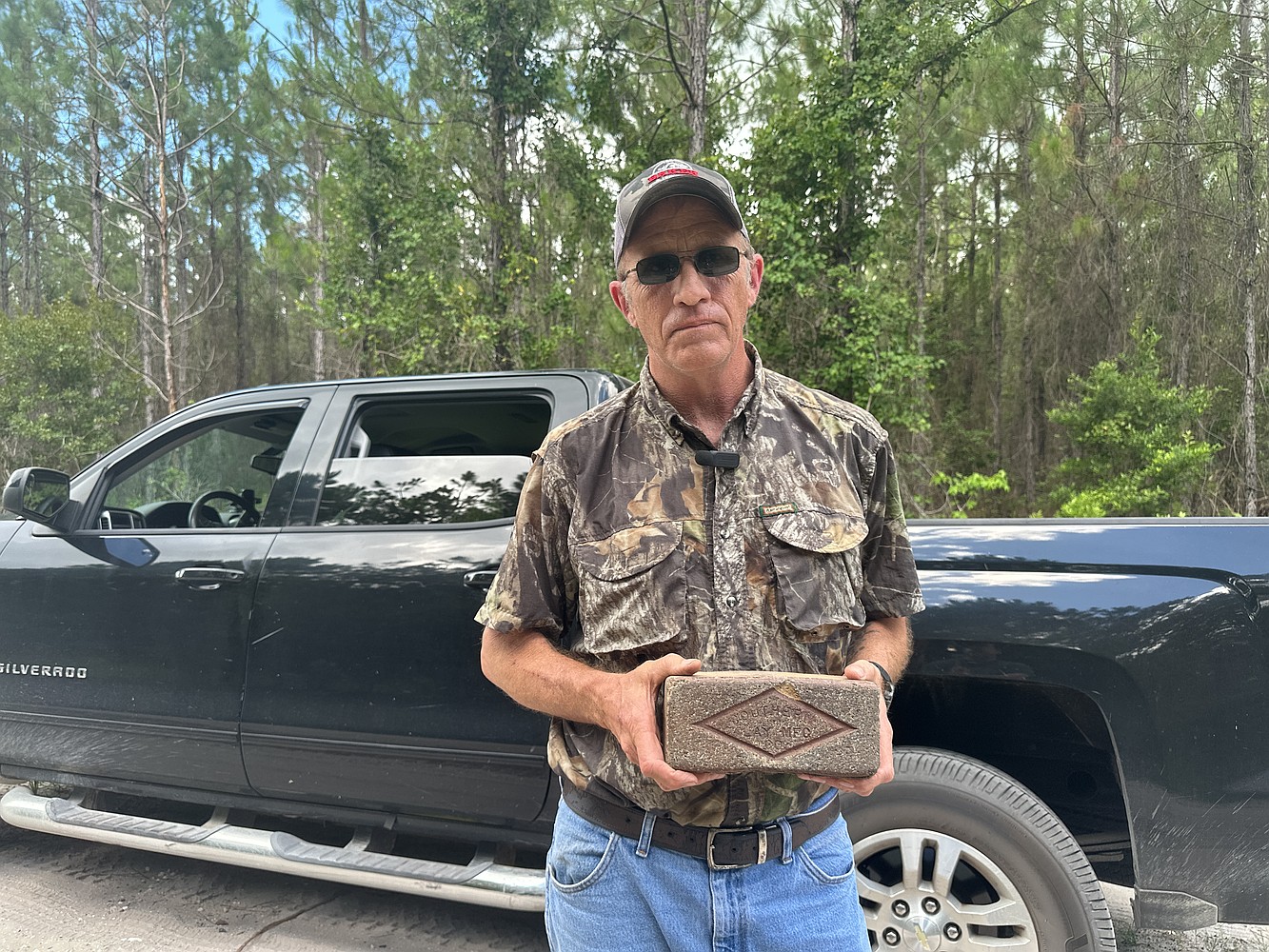
Palm Coast City Historian Preston Zepp displays an original Dixie Highway brick during a tour of Flagler County's historic Brick Road. Photo by Rich Carroll
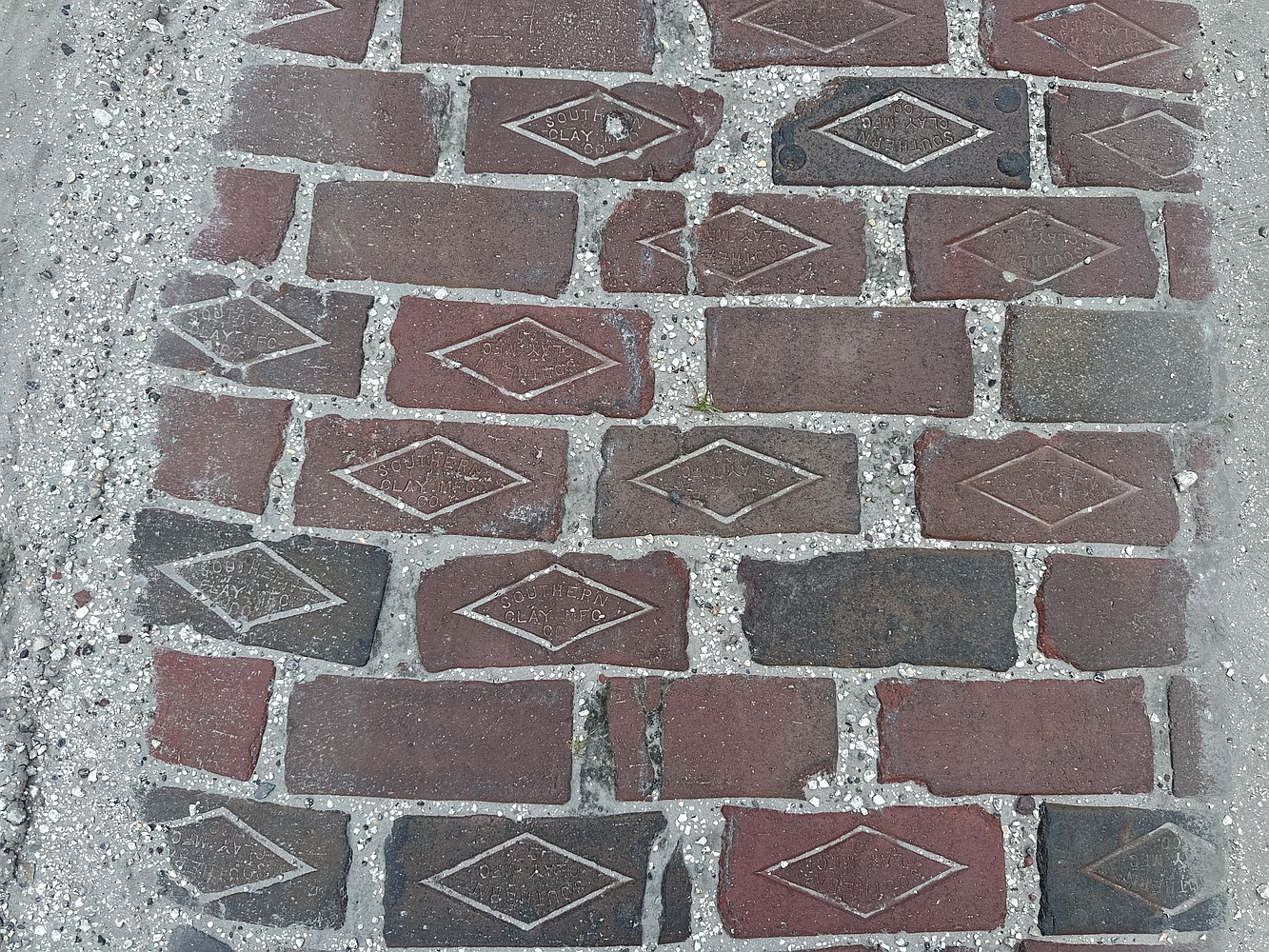
Manufacturer markings remain visible on many of the century-old bricks that make up Flagler County's historic Brick Road, part of the original Dixie Highway. Photo by Rich Carroll
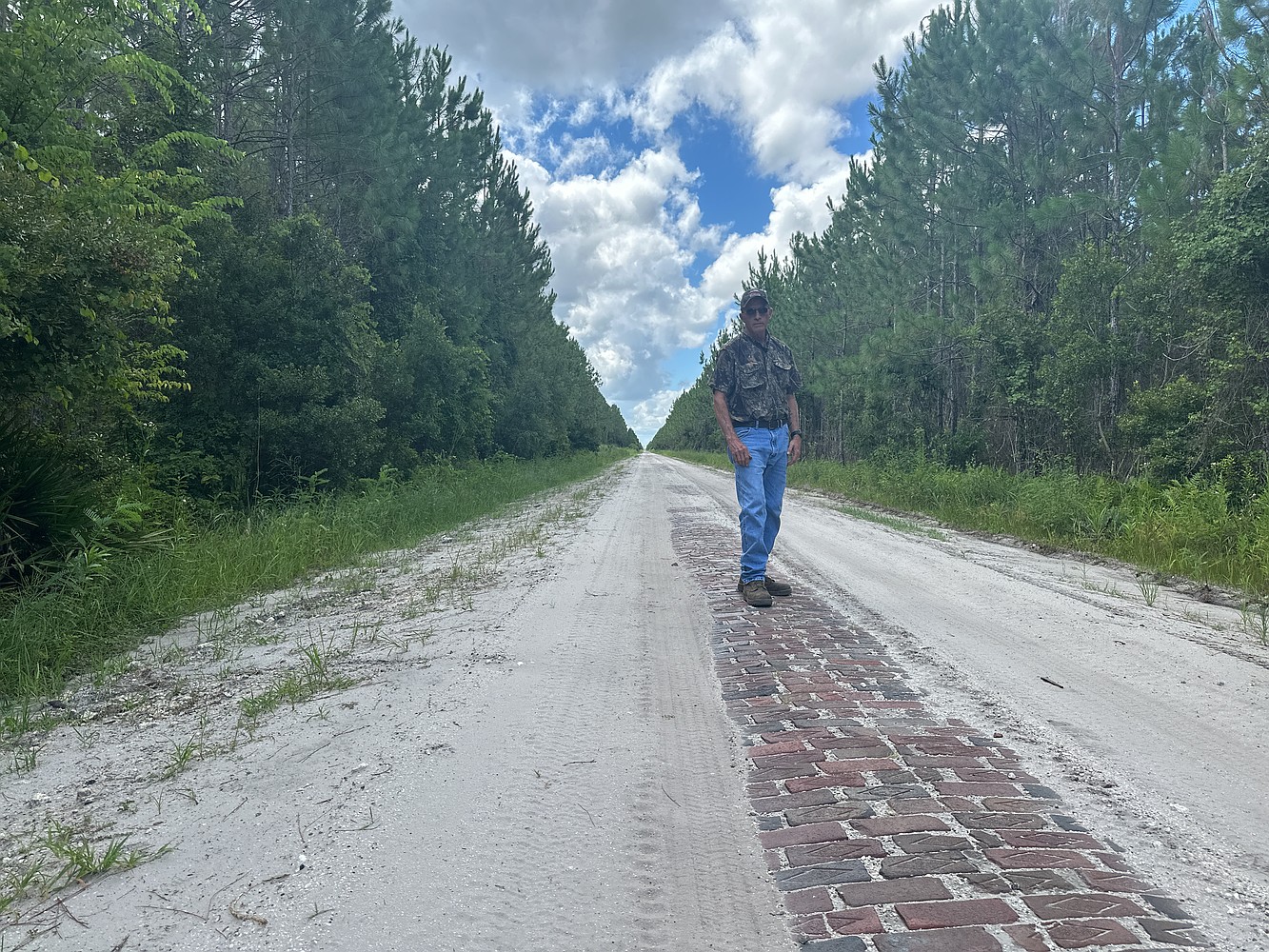
Palm Coast City Historian Preston Zepp stands on the historic Brick Road, the longest remaining intact brick section of the original Dixie Highway in the nation. Photo by Rich Carroll
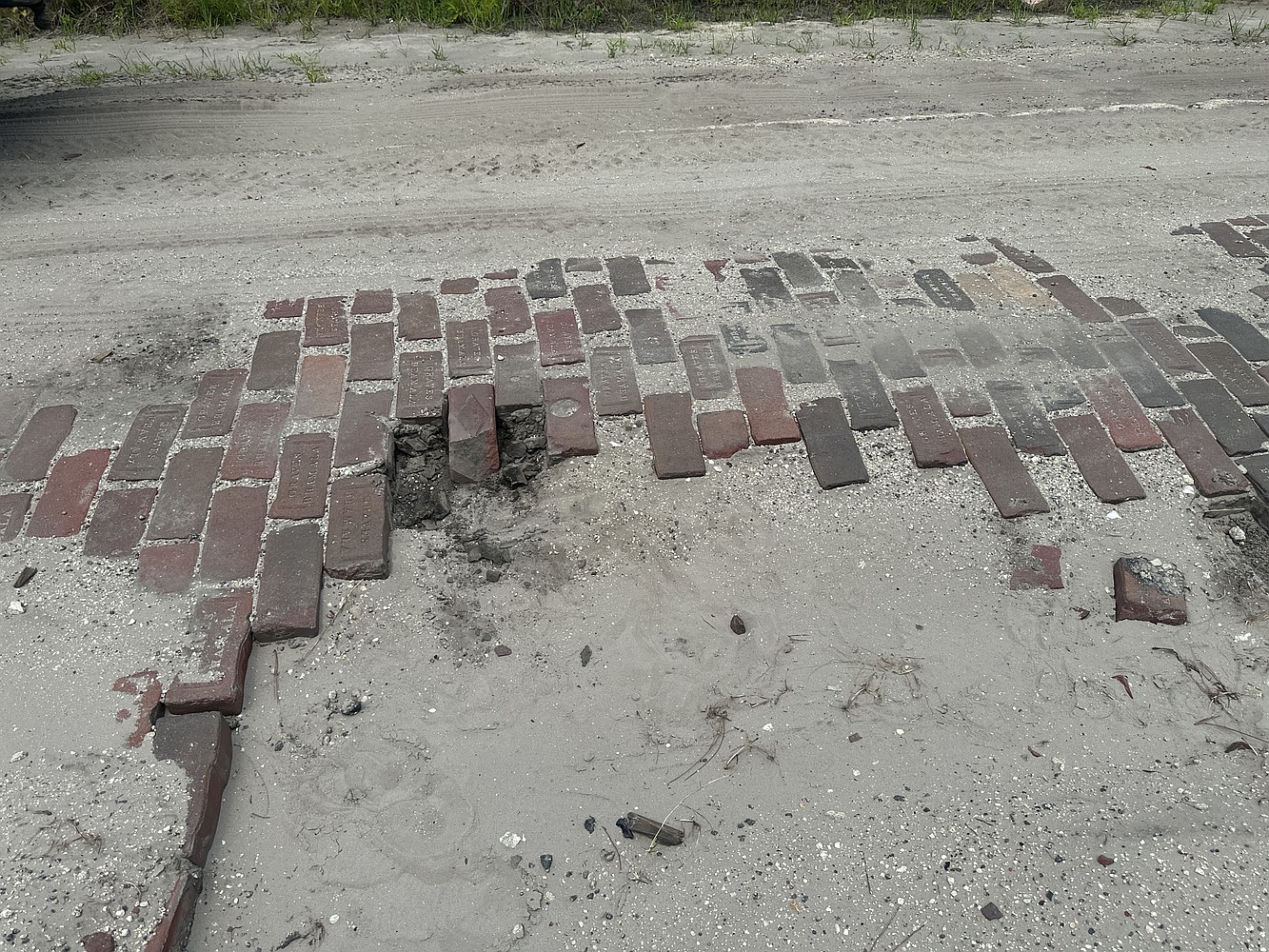
A section of Flagler County's historic Brick Road shows where century-old bricks have been illegally removed. Photo by Rich Carroll
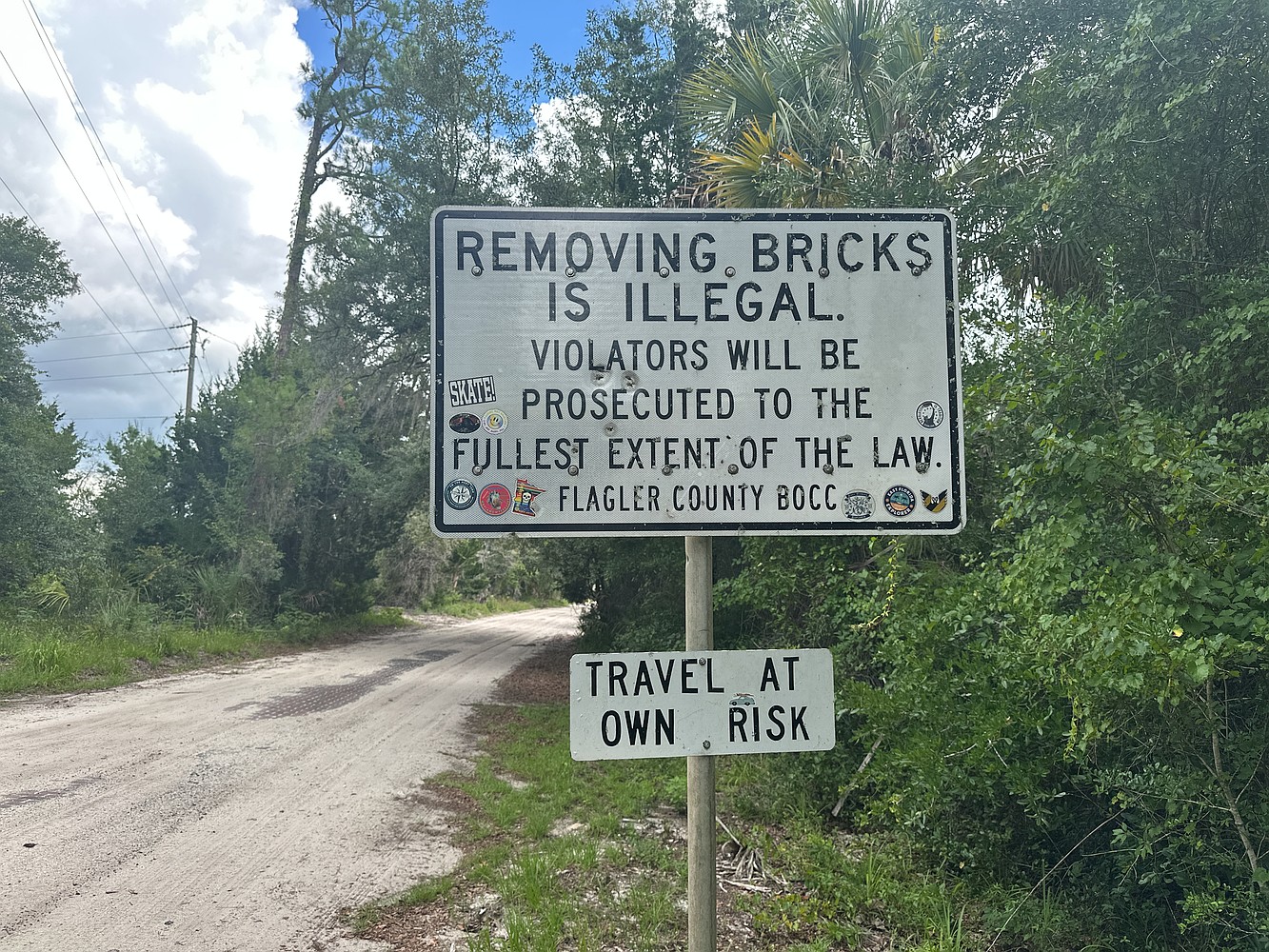
A sign along Flagler County's historic Brick Road warns visitors that removing century-old Dixie Highway bricks is illegal. Photo by Rich Carroll
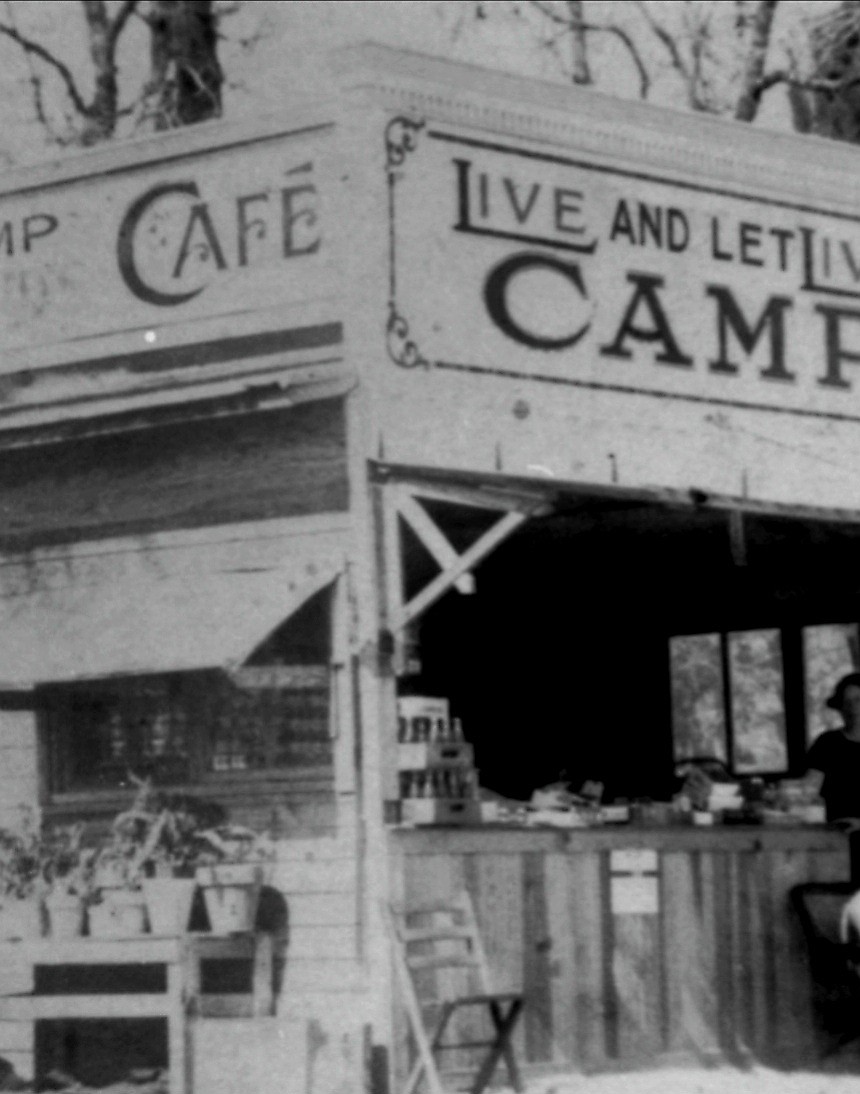
Live and Let Live Tin Can Tourists Camp. Photo courtesy of Palm Coast City Historian Preston Zepp.
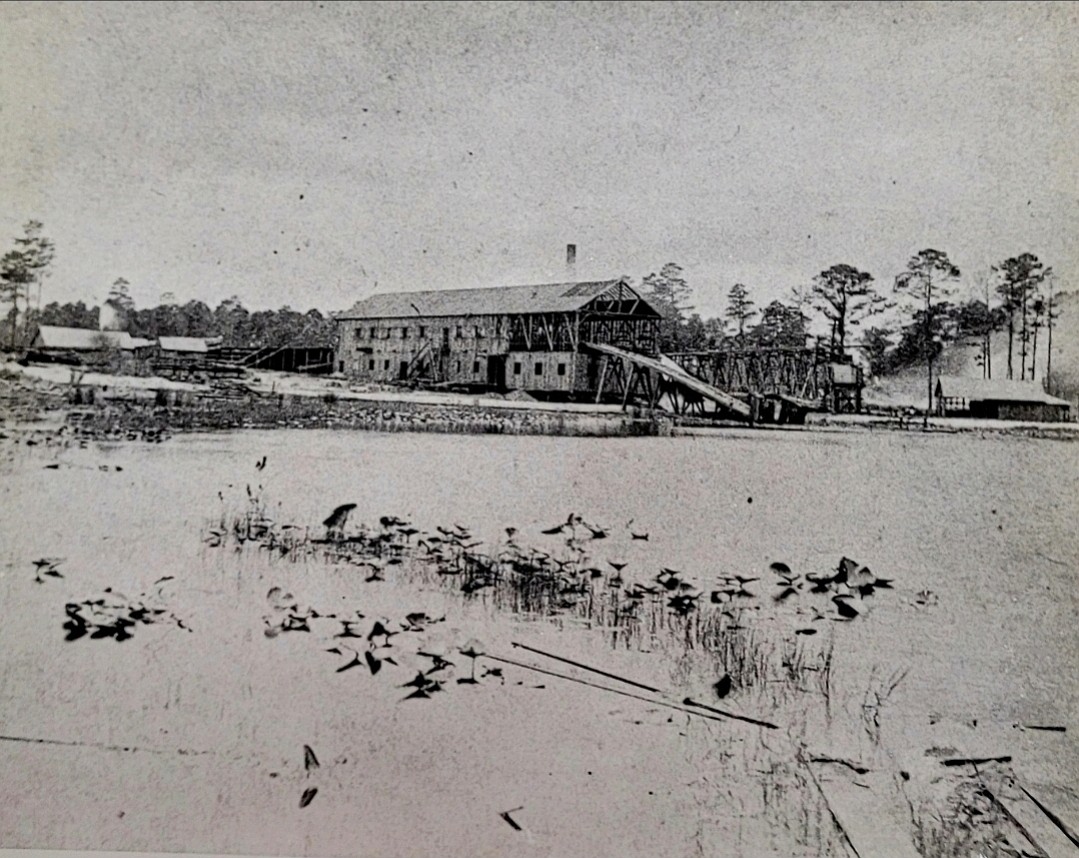
Neoga Sawmill. Photo courtesy of Palm Coast City Historian Preston Zepp.
The adventure began where the pavement ends.
One minute we were traveling on an ordinary road. The next, the tires dropped onto uneven dirt as we entered one of Florida's most significant — and least understood — historic sites: the Brick Road, also known as Dixie Highway or County Road 13.
Palm Coast City Historian Preston Zepp smiled as the truck bounced over ruts carved into the century-old roadway.
"So there you go," Zepp said. "We're at the end of Brick Road."
Over the next several hours, Zepp guided the Palm Coast Observer through forgotten settlements, abandoned sawmill towns, ancient hunting grounds and one of the longest surviving sections of the original Dixie Highway in America. Along the way, the trip became more than a history lesson. It became a reminder that beneath Flagler County's forests and future development plans lies a story stretching back centuries.
The road that built Florida tourism
Many people assume Florida tourism began with beaches, theme parks or Walt Disney World.
Zepp argues it started here.
Designed by Carl Fisher — who also created the Lincoln Highway linking New York to California — the Dixie Highway was launched in 1914 as a 5,786-mile network of connected roads stretching from Sault Ste. Marie, Michigan, to Miami.
"It was not one single roadway," Zepp explained. "It was a network of roads."
Flagler County's section opened in 1915.
Today, the county is home to approximately 8.3 miles of the longest remaining intact brick section of the original highway that has never been paved over. By comparison, neighboring St. Johns County has roughly two miles remaining.
Standing beside the weathered bricks, Zepp explained why the road changed Florida forever.
"This was started in 1914 as a roadway going down to Miami," he said. "People had more money, more leisure time and they wanted adventure. Florida was the last frontier... This was the beginning of tourism in Florida. Everybody thinks it started with the House of Mouse — Disney. But this is where it all began, with this brick road."
Without roads like this, visitors traveling in Model Ts and early automobiles would never have reached Florida's hotels, beaches and tourist camps.
"There wouldn't be a House of Mouse without this brick road," Zepp said.
The corridor once featured tourist camps, boarding houses, hotels, grocery stores and one of the area's earliest gas stations.
Today, only the road remains.
Driving through history
Calling it a road almost feels generous.
The farther we traveled, the rougher the ride became.
Massive ruts carved by logging trucks forced slow, careful driving as the truck fishtailed through loose sand and uneven terrain.
At one point, after bouncing through one particularly rough stretch, I summed up what both of us were thinking.
"That was some of the most stressful driving I've ever had," I said.
"I have never seen the road in that bad of condition," Zepp replied. "I thought we were going to get stuck."
Later, another logging truck appeared around a bend.
"That is what's causing all these problems," Zepp said.
According to Zepp, the heavy trucks hauling timber from surrounding forests are taking a toll on the century-old roadway.
"It's just tearing this road up," he said.
Despite the rough conditions, Zepp believes preserving the road remains essential.
"This is where we started," he said. "These roads brought in the lumber and supplies and people. These are pieces that are left to tell that story that doesn't get told in schools."
A road worth protecting
The Brick Road was added to the National Register of Historic Places in 2004.
Even so, preservation remains an ongoing effort.
During the tour, Zepp pointed out areas where people had illegally removed historic bricks.
"Somebody came in here and dug bricks out," he said. "Actually set one on fire."
Removing bricks is illegal.
"We found out about somebody who was coming out here taking the bricks and called the sheriff's department," Zepp said. "They got fined."
He also carries one of the historic bricks with him while giving tours.
The brick, manufactured around 1913 or 1914 by Southern Clay Manufacturing, weighs roughly nine pounds.
When the road was originally built, Zepp explained, the roadway measured only about 10 feet wide. Engineers locked the bricks in place using amalgamated concrete before eventually adding concrete aprons along each side so passing vehicles could safely maneuver around one another.
Development meets preservation
The Brick Road has become a focal point as Palm Coast plans for its westward expansion.
Much of the surrounding land remains timber property today but is expected to be developed over the coming decades.
According to Zepp, that reality makes preserving the historic roadway even more important.
When early development plans proposed roadway crossings through the Brick Road, Zepp, the Flagler County Historical Society and Palm Coast Historical Society pushed back.
The effort generated nearly 2,000 petition signatures.
"We met with the county," Zepp said. "They plan to make this whole Dixie Highway a linear park... walking, biking, whatever, to protect it from being developed over."
He hopes future preservation ordinances being considered by local governments will permanently protect not only the Brick Road but other historic resources throughout Flagler County.
"I'm not against development," Zepp emphasized. "I'm for smart development and protecting historic sites."
The forgotten town of Neoga
Several miles farther down the road, Zepp stopped beside what appears today to be nothing more than forest.
More than a century ago, however, this was one of Flagler County's busiest communities.
Neoga was built around a large sawmill operation on Lake Neoga.
The mill changed ownership several times, from the English Company to East Florida Land and Produce before eventually becoming Bond and Bond.
Its lumber supplied projects across Florida, including work commissioned by Henry Flagler.
"Part of his house, which is now Flagler College, some of the lumber from that came from the sawmill that was here," Zepp said. "All the way down to the Bahamas."
Nearby, the Utley White St. Johns & Halifax Railroad connected Hastings with Daytona before Henry Flagler purchased the line and incorporated it into what eventually became the Florida East Coast Railway.
Long before Bunnell existed, Alvah Bunnell operated a turpentine still and shingle mill near Neoga before moving south to establish Bunnell Stop, which later grew into today's county seat.
For decades, Lake Neoga served as the community gathering place.
Residents held picnics there.
Horse races took place nearby.
Religious baptisms were performed in its waters.
Cracker-style homes remained in the area into the 1970s before disappearing.
Today, the former townsite is once again timberland and lies within the future Westward Expansion planning area.
Pringle Swamp's ancient past
Across from the Brick Road lies another largely forgotten landmark.
Pringle Swamp appears today as dense forest.
Historically, it was a freshwater swamp branching from Pellicer Creek.
Zepp said remnants of early Native American villages have been discovered there, while the swamp later became a center for the turpentine and timber industries from the late 1800s into the mid-1940s.
For centuries it also served as a favored hunting area.
Today, the northern section is protected under Florida Forever conservation lands and Flagler County conservation property, while much of the remaining acreage is expected to become part of Palm Coast's westward expansion.
A story still unfolding
Throughout the drive, Zepp returned to one central message.
Most residents simply don't realize how much history surrounds them.
"There are very few Flaglerites or Floridians here anymore," he said. "Everybody thinks we started with Palm Coast, and we didn't. Our history goes back thousands of years, and this is a way to tell that story."
As the truck finally left the Brick Road and returned to smooth pavement, it was difficult not to appreciate the contrast.
The bumpy, dusty drive had been slow, uncomfortable and at times nerve-racking.
But it also offered a rare trip through the landscape that helped shape Flagler County long before Palm Coast existed.
The forests may have reclaimed Neoga.
Pringle Swamp may one day give way to new neighborhoods.
The Brick Road itself may continue its battle against time, weather and heavy logging traffic.
Yet for those willing to venture beyond the pavement, the stories are still there — embedded in century-old bricks, hidden beneath towering pines and waiting for someone like Preston Zepp to bring them back to life.