- July 3, 2026

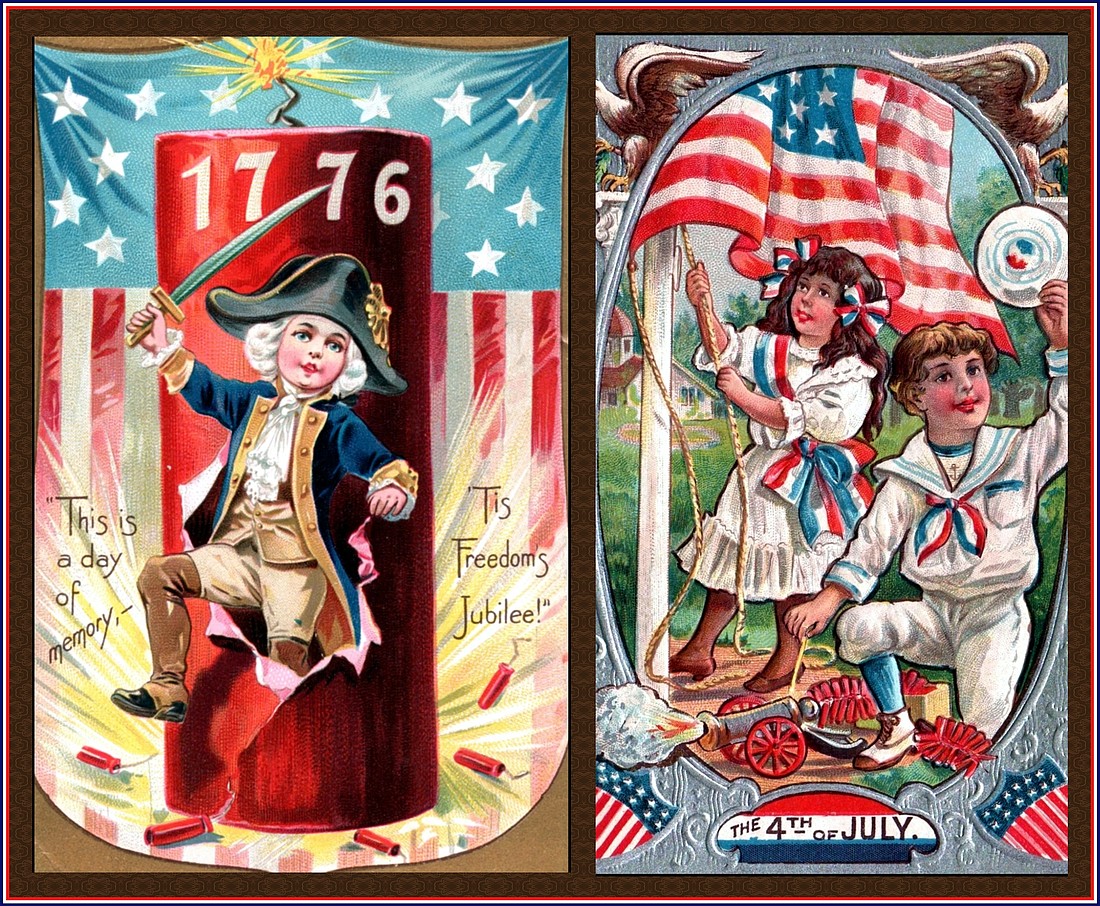
Independence Day, commonly known as the Fourth of July, is a United States national holiday that commemorates the birth of American independence from Great Britain. July 4, 2026, is the 250th anniversary of the adoption of the Declaration of Independence, the semiquincentennial of the U.S.
On April 19, 1775, the American Revolutionary War began with the Battles of Lexington and Concord in Massachusetts. The primary causes of the conflict were opposition from thirteen of Great Britain’s North American colonies to British taxation, lack of political representation, a desire for self-governance and economic, ideological and social tensions.
On July 2, 1776, the Second Continental Congress, which acted as a provisional national government during the American Revolutionary War, officially voted to approve the Lee Resolution (also known as the Resolution for Independence) which stated that thirteen British Colonies in North America were free and independent States and fully absolved from the British Crown.
The Declaration of Independence acted as a public document, and an announcement to the world, that the United States formally renounced its allegiance to the British Crown and to King George III, who the colonists considered to be an authoritarian ruler.
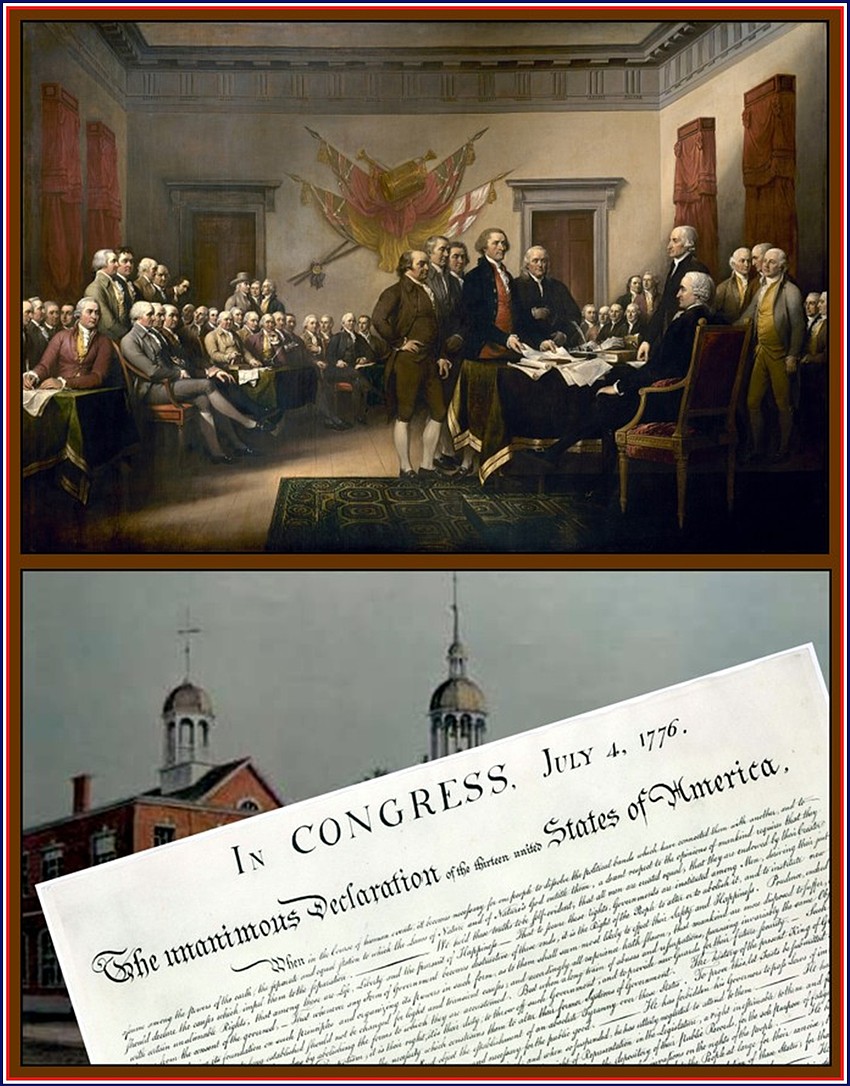
On July 4, 1776, the Declaration of Independence was adopted by 12 of the 56 delegates to the Second Continental Congress at the Pennsylvania State House (now known as Independence Hall) in Philadelphia, Pennsylvania. This is the date that ultimately became the U.S. holiday of Independence Day.
Many historians state the document was actually signed by the majority of the delegates on Aug. 2, 1776, nearly a month after its final draft approval, and not on July 4 which is the common understanding.
All 56 signers of the Declaration of Independence were technically British subjects/citizens and most were born in the North American British colonies. Eight of the signers were immigrants born outside the North American British colonies. Their birthplaces included England, Scotland, Ireland, Northern Ireland and Wales. Historians recognize that 41 of the 56 signers of the Declaration of Independence, including Thomas Jefferson (third president of the U.S), Benjamin Franklin and John Hancock, owned human slaves at some point during their lives. Fourteen signers, including John Adams (second president of the U.S.), Samuel Adams and Robert Treat Paine, did not own human slaves during their lives.
Thomas Jefferson was the principal author of the Declaration of Independence, and at least 75% of his original draft was incorporated into the final document. To a great degree, Jefferson relied on the Virginia Declaration of Rights which was adopted by the Virginia Convention in June 1776, especially this document’s sections regarding the foundational concepts of the natural rights of man including equality, liberty, and property rights.
The Declaration of Independence specified the political, moral, and legal justifications for separating from the British Crown, and listed 27 objections to the rule of King George III which included flagrant violations of colonial charters, suspension of trial by jury and taxation without proper consent. It also legitimized the American Revolution under international law as its list of grievances against King George III proved to nations around the world that the colonist’s rebellion was a legitimate reaction to authoritarianism, and not an act of treason. The document was also a call to mobilize foreign allies, especially France, to economically, militarily and politically support the newly created independent nation. Additionally, it established the philosophical foundation of the new nation by declaring that all people are created equal and possess unalienable rights, among these are “Life, Liberty and the pursuit of Happiness.”
On Aug. 23, 1775, prior to the adoption of the Declaration of Independence, King George III issued a decree titled “A Proclamation for Suppressing Rebellion and Sedition,” which declared the American colonies to be engaged in “open and avowed rebellion” against the British Crown. This directive officially classified all American colonial leaders as traitors, eliminated any possibility of a negotiated peace settlement and escalated the domestic civil conflict into a formal war for American independence.
When the colonial leaders were recognized as being in defiance of King George III’s sovereignty, and officially classified as traitors, their freedom and lives were in jeopardy. The gruesome sentence for a conviction of high treason under British law at the time was execution by hanging, drawing, and quartering (a brutal system of public torture and disembowelment, which was accompanied by a public display of the executed person’s remains).
It is possible, although highly debatable, that if the American Revolutionary War would have been won by the British the signers of the Declaration of Independence, and other prominent colonial leaders including George Washington, Alexander Hamilton and Patrick Henry, could have been brutally executed by order of King George III.
On July 8, 1776, the Declaration of Independence was publicly read for the first time in Philadelphia accompanied by band music and the ringing of numerous bells.
On July 4, 1777, the first organized U.S. independence anniversary celebration was held in Philadelphia accompanied by a 13-gun salute representing the rebellious colonies, bonfires and parades.
On Oct. 19, 1781, the American Revolutionary War effectively ended with the surrender of British forces at the Siege of Yorktown. The British Parliament realized they were running out of money and facing growing international opposition so they opted to pursue peace with the U.S.
On Sept. 3, 1783, the American Revolutionary War officially ended with the signing of the Treaty of Paris which formally recognized the U.S. as a free, sovereign, and independent nation.
On June 28, 1870, the U.S. Congress made Independence Day an unpaid federal holiday.
On June 29, 1938, the U.S. Congress made Independence Day a paid federal holiday for all federal employees.
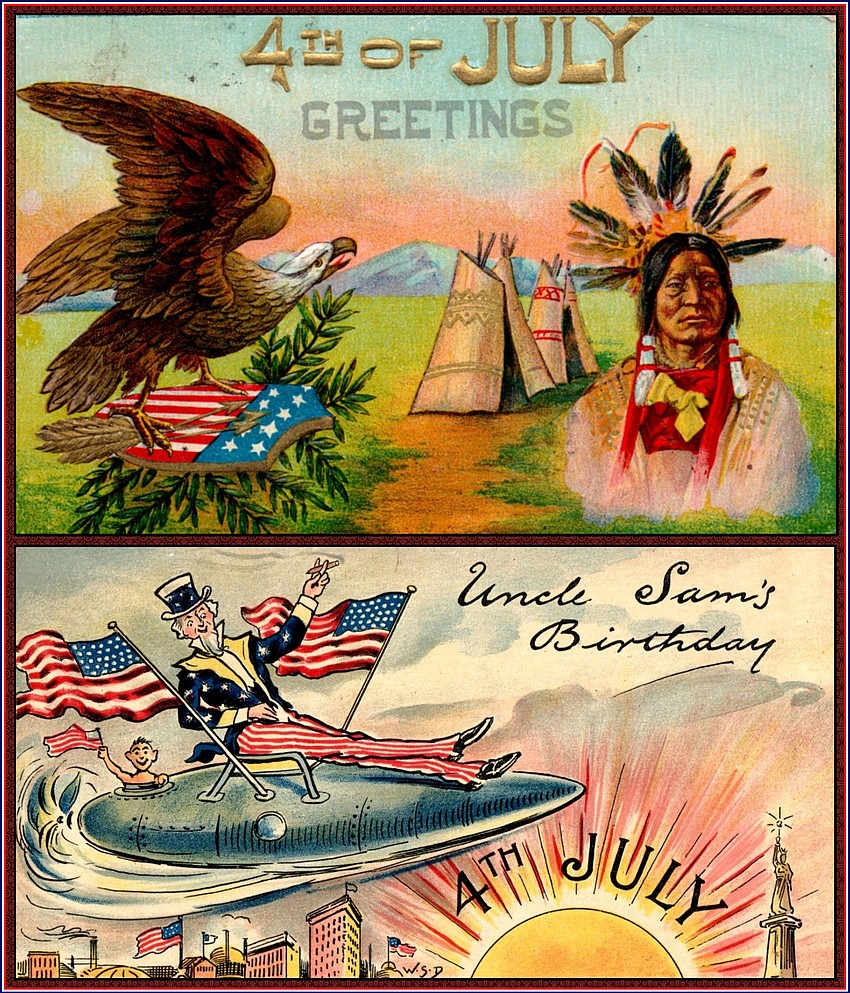
The celebration of Independence Day is a major annual economic boost to retail, tourism and travel businesses.
In 2026, consumer spending for the holiday is forecasted to reach nearly $22 billion. Food spending accounts for $9.4 billion, which includes the projected consumption of 150 million hot dogs and 750 million pounds of chicken. Spending on beer and wine is projected to exceed $4 billion. The American Pyrotechnics Association is estimating that consumer spending on fireworks to be between $2.2 and $2.95 billion. The AAA organization is projecting a record 72.2 million Americans traveling at least 50 miles from their homes, 61.4 million of those will be traveling by car.
America’s Block Party in the Sky (New York City): This is the premier NYC Independence Day celebration event that features complimentary access to the 360-degree Times Square Skywalk, glass elevator rides, spectacular 360-degree river-to-river views of the Manhattan street grid and a transcription of the Declaration of Independence displayed on glass walls.
Freedom 250 (Washington, D.C.): An historic celebration for the 250th anniversary at the National Mall which includes military ensembles, the Great American State Fair, traditional parades along Constitution Avenue and the largest fireworks display in history.
National Constitution Center (Philadelphia): Celebrations include free museum admission, special performances of Schoolhouse Rock Live!, an American Revolutionary War encampment and historical reenactors.
Orlando: Hosts Lake Eola Park’s famous “Fireworks at the Fountain,” which includes food, drinks and live music.
Palm Coast: The United Flagler Fourth Community Celebration features Fireworks Over the Runways, which is a free festival at the Flagler Executive Airport that includes food trucks, live music, warbird showcases, and a large fireworks show.
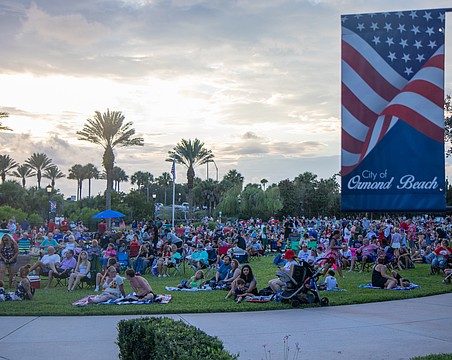
Ormond Beach: The city hosts an annual Independence Day celebration at Rockefeller Gardens with fireworks over the Halifax River, vendors and live music.
St. Petersburg: Hosts “The Fourth at the St. Pete Pier,” which includes a beer garden, food trucks, family activities, live entertainment and a fireworks show.
Sunrise: Hosts the “Stars and Stripes: 250 Years of Smiles” Parade and Family Fun Day. The event includes a concert, drone show, food and various inflatables outdoors at the Amerant Bank Arena, and is capped off with a fireworks display.
“America was not built on fear. America was built on courage, on imagination and an unbeatable determination to do the job at hand.”
— Harry S. Truman