- March 4, 2026

The Palm Coast City Council is exploring banning the use of specially treated wastewater as drinking water.
Vice Mayor Theresa Carli Pontieri asked for the council to look into an ordinance prohibiting potable reuse water in Palm Coast. The state, she said, currently allows municipalities to augment drinking water in the aquifer with specially treated wastewater.
The issue — known otherwise as “toilet to tap” water or blackwater — has popped up in discussion in surrounding municipalities in Volusia County. The process requires an advanced purification process to ensure the water meets drinking water standards, Pontieri said, but she did not want it in Palm Coast anytime soon.
“I don't want us to engage in that process, but I also know that we know that we have water shortage issues in the state,” she said.
Pontieri said an ordinance prohibiting the use of it could also send a message to the state to stop “tying our hands” over locally-controlled development.
“If we are getting so desperate for water that we are looking into the potable reuse of water, there's a problem,” she said. “I encourage other cities and counties to also take this step, to say no.”
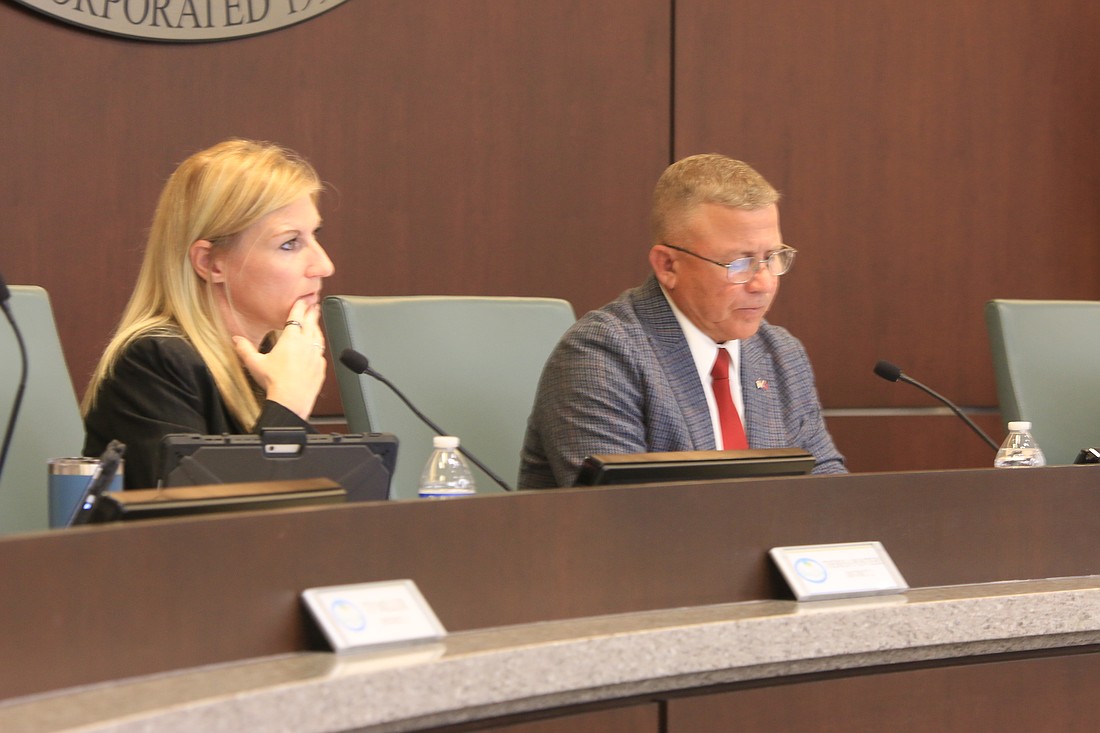
The March 3 City Council meeting only had a three-person quorum, with Mayor Mike Norris and Councilman Dave Sullivan present beside Pontieri. Both of them agreed the issue requires more looking into.
“I think that’s a long way, as far as technology for us, to do,” Norris said. “I’m kind of in agreement, but I’d like a little bit more information.”
Sullivan agreed, and the council agreed to have Palm Coast’s utility come out to present more information about the process at a future workshop meeting. Palm Coast as a council has not discussed the item before but several members of the public have brought up a ban for potable reuse water before.
In August 2025, Palm Coast’s Utility Deputy Director Peter Rousell presented data about the city’s projected water demand. In that presentation, Rousell said the city is already looking into alternative potable water sources by 2030.
By that point, according to that presentation, the city will have an estimated service population of 128,000. Palm Coast is using less than its projected demand at the moment, Rousell said, using 9.6 million gallons per day, instead of a projected demand of 10.89 MGD in 2025.
By 2050, the data projects Palm Coast will have a potable water demand of 15.9 MGD, and the city is looking into sourcing some of that potable water from outside the aquifers.
But that does not necessarily include potable reuse water, according to that August presentation. The data showed Palm Coast utility exploring alternative sources from brackish groundwater, surface water and treated concentrate and reclaimed water.
Pontieri said she doesn’t believe potable reuse water would happen anytime soon in Palm Coast, but its the council’s job to protect the city.
“I just think it's incumbent upon us to protect…what I think is our most precious asset,” she said. “And that's our water.”