- July 27, 2026

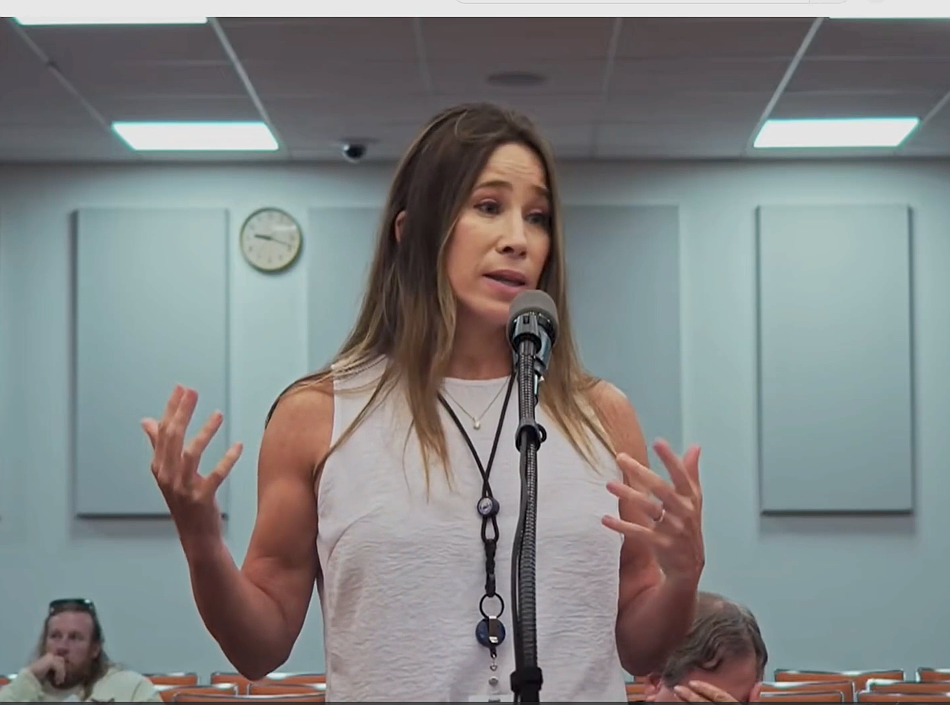
Daytona Beach officials are evaluating a range of flood mitigation strategies, from regional partnerships and public dashboards to potential property buyouts and expanded stormwater infrastructure, as the city searches for solutions to persistent flooding issues in vulnerable neighborhoods.
During the June 3 City Commission meeting, commissioners received an update on discussions held through the Volusia County Elected Officials Roundtable, where local governments are working together to address flooding and stormwater concerns across the region.
Commissioner Stacy Cantu said one outcome of those discussions is the development of a public-facing stormwater dashboard that will allow residents to track flood mitigation projects, studies and maintenance activities throughout Volusia County.
Cantu also raised concerns about the future of flood-prone neighborhoods, particularly in Midtown, following the collapse of the city's flood mitigation effort with the U.S. Army Corps of Engineers.
Utilities Director Shannon Ponitz explained that the federal study is being canceled prematurely because the Nova Canal does not meet Army Corps engineering requirements. According to Ponitz, the canal lacks the required 800 cubic feet per second capacity during a 10-year storm event and currently has only about half that capacity. Ponitz also said the Army Corps determined the project's preliminary benefit-to-cost ratio was less than one, meaning the projected benefits did not justify the cost. Even if the engineering requirement had been met, she said, the project still would have been canceled because it failed the federal cost-benefit analysis.
“With the bad news that we received, there's really not much we can do in the Midtown area,” Cantu said.
Cantu suggested the city consider establishing a long-term buyout program similar to efforts funded through Volusia County's Transform 386 initiative, allowing the city to gradually purchase flood-prone properties from willing sellers.
The discussion comes as city staff continue evaluating alternative solutions that could provide relief to neighborhoods affected by flooding.
Ponitz outlined several ongoing studies examining options including sluice gates, pumps and additional water storage areas.
Consultants are modeling scenarios involving pumps and sluice gates connected to the Nova Canal system, as well as a concept that would use city-owned golf course land to temporarily store floodwaters from areas including Midtown, Fairway Estates, Holloway Place and Woodcliff Estates. The studies will include cost estimates and benefit analyses that will be presented to the commission once completed.
Ponitz said regional cooperation will likely be necessary because many of the potential improvements would benefit multiple jurisdictions.
“We can find some projects that make sense that benefit the entire region and we can share those costs,” Ponitz told commissioners.
The city is also completing a watershed management plan funded through the Transform 386 program. Ponitz said the study will provide hydraulic modeling tools that can help city staff evaluate smaller stormwater projects throughout Daytona Beach and determine whether upgrades such as larger drainage pipes would effectively reduce flooding.
Since the Army Corps study is ending, the city plans to use consultants involved in the watershed management effort to further evaluate the golf course storage concept and other alternatives.
Ponitz also highlighted the scope of Daytona Beach's stormwater system. The city maintains nearly 129 miles of stormwater pipe, 37 miles of ditches and swales, six pumping stations and 257 outfalls. Through the current fiscal year, city crews have inspected and cleaned nearly 70,000 linear feet of stormwater pipe, rehabilitated approximately 9,000 feet of pipe lining, cleaned 40,000 feet of ditches and removed 1,500 cubic yards of material from the system.
To improve transparency, the forthcoming dashboard will feature project, study and maintenance modules, allowing residents to see where flood mitigation work is taking place and track ongoing maintenance efforts.
Another challenge discussed during the meeting involved private stormwater systems maintained by homeowners associations. City officials said some HOAs have failed to properly maintain ponds, outfalls and control structures, creating drainage issues that can affect surrounding neighborhoods and the city's broader stormwater network.
Commissioners discussed potential solutions ranging from public education efforts to the creation of special assessment districts that would allow the city to perform necessary maintenance and recover costs from benefiting property owners.
While many long-term solutions remain under study, officials said regional cooperation, continued maintenance and targeted infrastructure investments will likely play major roles in reducing future flood risks throughout Daytona Beach.