- March 10, 2026

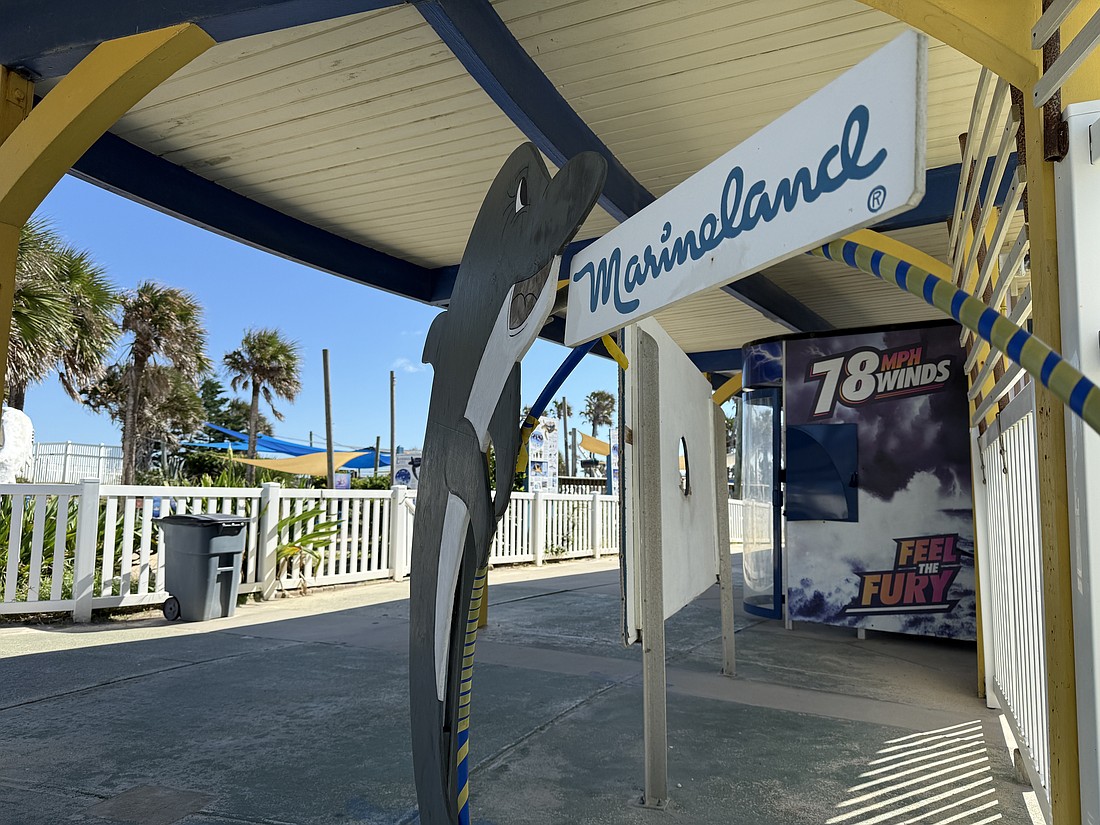
Dolphin expert Jack Kassewitz has a vision for Marineland Dolphin Adventure: to become a leader in inspiring stewards of the ocean.
“We truly want to become one of the leaders in bringing the stewardship of the oceans to the public,” he said, “so that people walk away, they feel that their participation here is one of those steps to stewardship.”
Kassewitz now runs Marineland Dolphin Adventure after a grassroots effort successfully bought the oceanarium for $7.1 million. The company was bankrupt and in danger of being sold to a development company, but now lies in the hands of Kassewitz and Marineland’s staff as a nonprofit organization.
The Dolphin Adventure is still open to the public and they are already introducing new interactive programs. The goal of the new programs, Kassewitz said, is to change how people are interacting with the dolphins.
“We're trying to move dolphin interaction programs away from entertainment,” he said. “Away from entertainment to responsible relationships, human-dolphin relationships.”
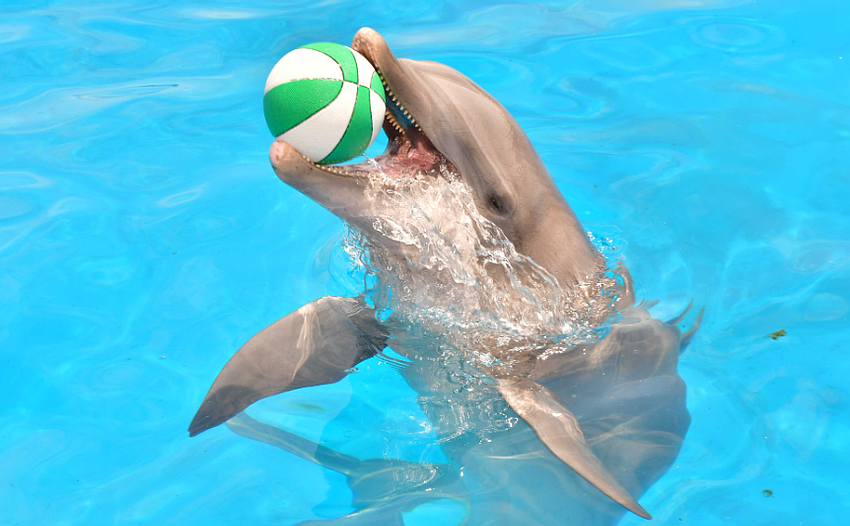
This will be a step away from Marineland’s history, as the oceanarium has primarily been a form of entertainment for the public. Kassewitz said the programs will remain interactive with the dolphins but focus on education.
One of the new programs is called the Dolphin Immersion Program. It’s designed to create “a meaningful hands-on connection” with a dolphin, according to the website description. Participants will be able to have an up-close underwater observation of and belly ride from the dolphins in shallow water with a provided snorkel mask.
Another that is still in development, Kassewitz said, is called “the emoji games.” Guests will be able to select “emojis” depicting behaviors and actions — like performing a “spin” — the dolphins will know how to do. But then, he said, the dolphins will be able to select an emoji for the people to perform.
“That's just the beginning of a communication game that can be expanded to create lexicons and all kinds of stuff,” Kassewitz said.
These programs are just the start of what Kassewitz wants to implement at Marineland, which includes a wellness program, research and education.
“We’re on target. We’re going to do what we said we’re going to do,” he said.
But even as Kassewitz is looking to expand and reform the experiences at Marineland, he is also searching for ways to build up a potential funding base though corporate alliances and sponsorships.
Kassewitz said they have identified 62 companies in the St. Augustine area that could become corporate sponsors and another 120 corporations across the state. They’re looking for sponsors across a variety of industries, including local, state, national and international businesses and educational and research organizations.
The wellness and research program Kassewitz hopes to develop at Marineland will, he believes, “change the face of Marineland.”
“No longer is it just entertainment,” he said. “We don't want it to be entertainment. We want to build relationships. We want people to leave when they've interacted with our training staff and walk away and say, ‘When I was there with Betty [a Marineland dolphin], that was amazing. That's my friend.’”
Marineland is more than just the dolphin experience, even if that is the primary draw for most people. There are tortoises, sting rays, sharks and aquariums.
After 65 years of working with and advocating for animals, Kassewitz said he certainly feels like a steward of the oceans and a voice for the animals. He hopes more people who come to Marineland will feel that call to action, too.
As a society, he said, they are moving away from a sense of ownership of the oceans to a sense of stewardship. He hopes everyone who comes to Marineland feels inspired to go out and help keep the beaches and ocean clean or volunteer with local marine organizations.
“We want them to leave Marineland and to feel they are responsible stewards of the oceans,” he said. “I really want Marineland to be one of the leaders in a movement towards stewardship of the oceans.”