- March 9, 2026

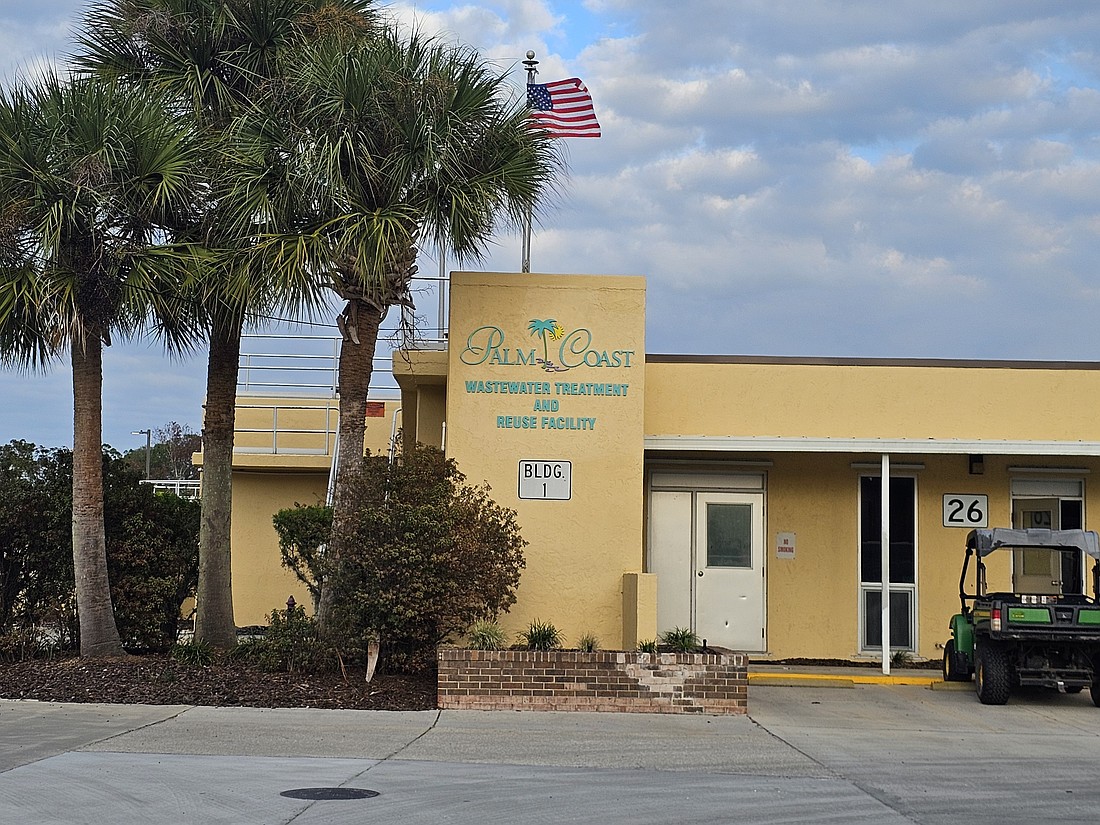
Palm Coast has approved $330 million in bonds to complete necessary improvements to the city’s water and wastewater utility infrastructure.
The bonds will be issued in April and paid back over a 30-year period using revenue from the city’s utilities. By the end of the loans’ payback period, Palm Coast will have paid $582 million in principal bonds and interest. The Palm Coast City Council will vote on the resolution one more time at its Feb. 3 meeting.
“This is a big deal for our city,” Mayor Mike Norris said.
The bonds are a mixture of new loans and refinanced loans; $283.4 million are new bonds that will be used to pay for necessary utility improvement projects. Another $49 million are existing bonds that the city would be refinancing to have a lower payment, said Christopher Roe, who is an attorney with Bryant Miller Olive law firm, which serves as Palm Coast’s bond council. Refinancing would net the city an estimated $1.7 million in savings.
“Typically, anytime you refund or refinance a bid obligation you're doing so to save money,” Roe said.
Palm Coast Financial Director Helena Alves said the city is working on a feasibility study that would outline the city’s ability to repay the bonds, which will take into account “a conservative estimate” of the city’s future growth, the current utility rates and the connections coming online.
The city will have $283 million immediately upon issuance to begin work on capital improvement projects for the utilities. The 2026-2030 capital improvement plan for utilities is estimated to cost $599 million to complete — almost double what the city is financing, according to a presentation at the city’s Jan. 13 workshop meeting.
The bulk of the funds will need to go toward the expansion of Palm Coast’s Wastewater Treatment Plant #1. Upgrading its capacity from 6.83 million gallons per day to 10.83 million gallons per day is estimated to cost $200 million.
Among the listed projects, another $50 million will go to Water Treatment Plant #1 for upgrades, and $40 million towards wells and raw water supply improvements. Replacing and installing new PEP Tanks is estimated to cost $30 million on its own.
In the Palm Coast Charter, Article VI section (3)(e) outlines limitations to how much the city can borrow at one time. The section limits it to $15 million in unfunded, multi-year loan contracts without approval from Palm Coast residents through a referendum.
They key is the term “unfunded.” The city’s provision only prohibits bonds over $15 million if there is no existing revenue stream to dedicate back to repayment, Roe said, but the city’s utility service rates are a dedicated source of funding for repayment.
But some residents still felt the charter section applied.
Palm Coast Planning Board Chairwoman Sandra Shank called this still an “unfunded mandate,” especially as part of the repayment formula depends on future growth.
“I encourage you not to move forward with this resolution that is a contract — a contract,” she said, “on behalf of the citizens who have no voice.”
Palm Coast resident Jeremy Davis questioned the city's transparency when a feasibility study on the city’s ability to repay the debt is still being conducted, and before residents have a chance to review it.
“Upgrades is not the debate. We all want safe, reliable utilities,” Davis said. “The debate is whether leadership locks in decades of repayment without transparency, written justification and strong guardrails.”
Norris said the city is in the position where they have to improve its systems.
“We'll complain about green water and chastise the city for not doing the right things on water,” he said. “Why not provide any resolutions on how to fix it. We have to invest money to fix our systems.”