- April 13, 2026

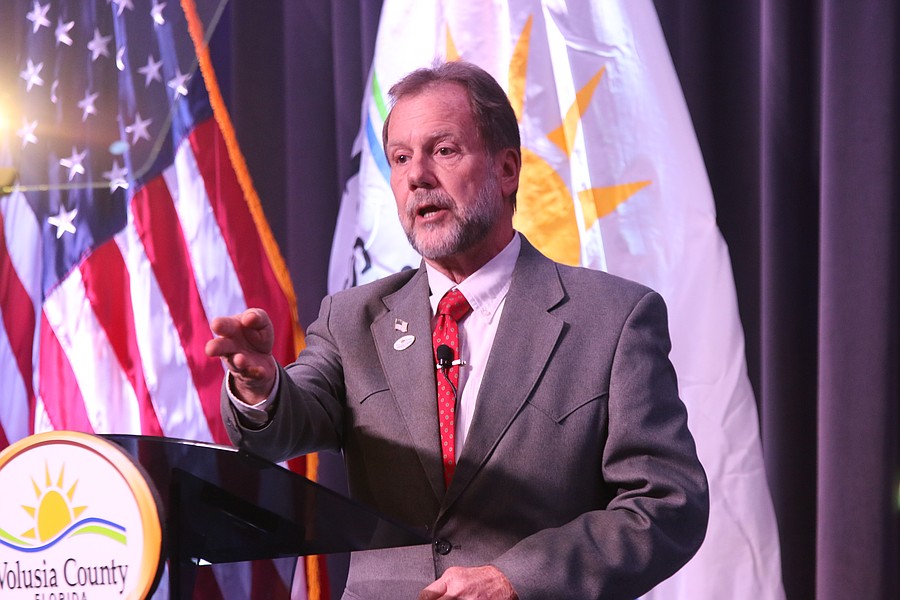
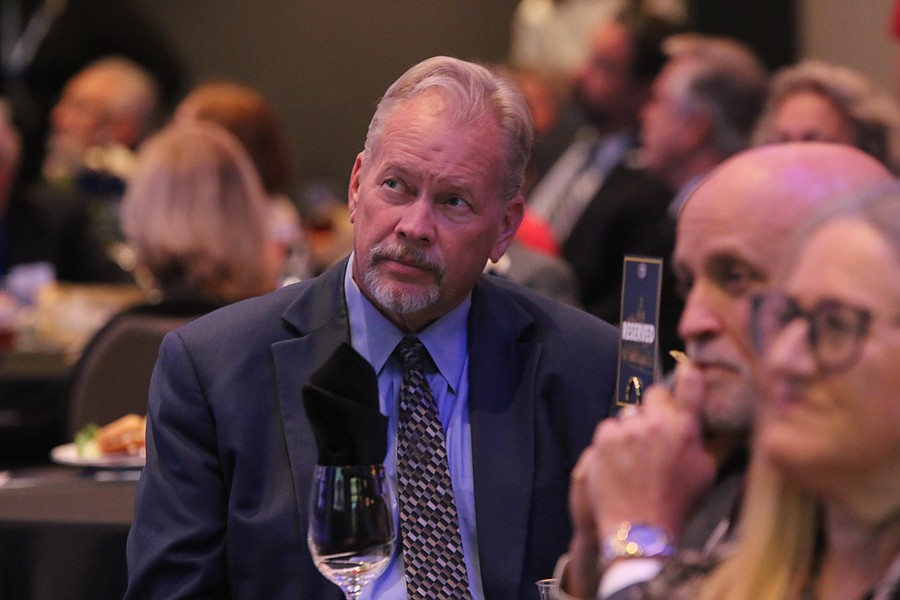
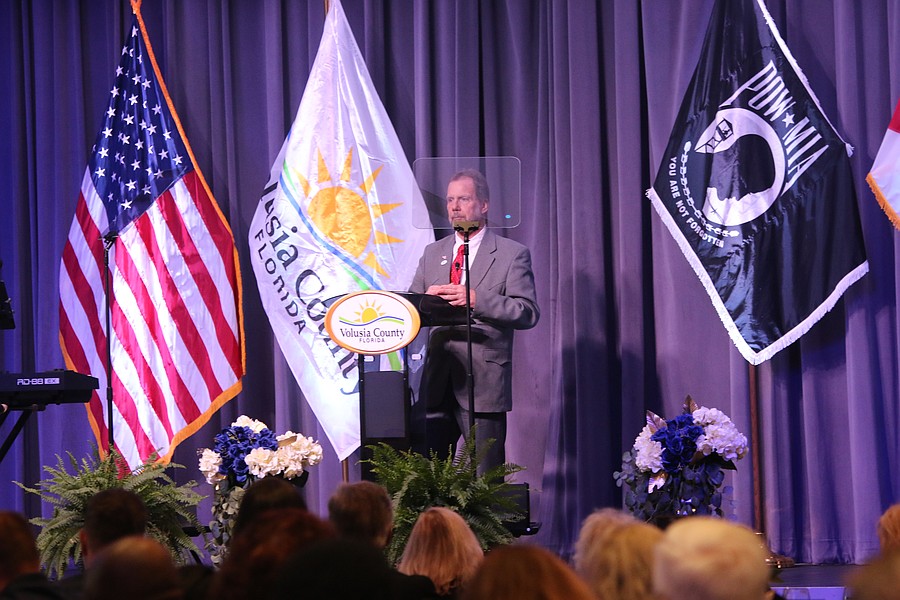
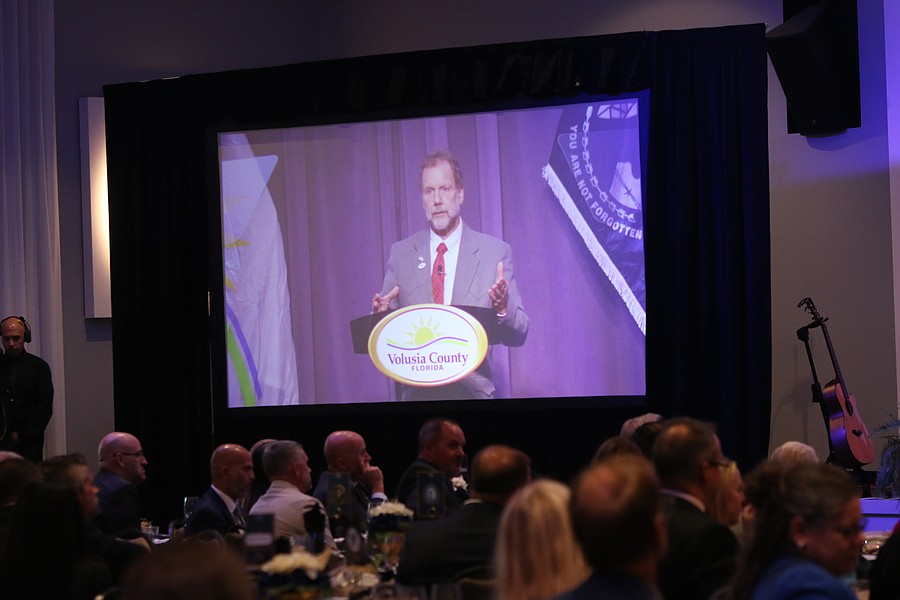
Volusia County Council Chairman Jeff Brower at the 2026 State of the County address. Photo by Sierra Williams
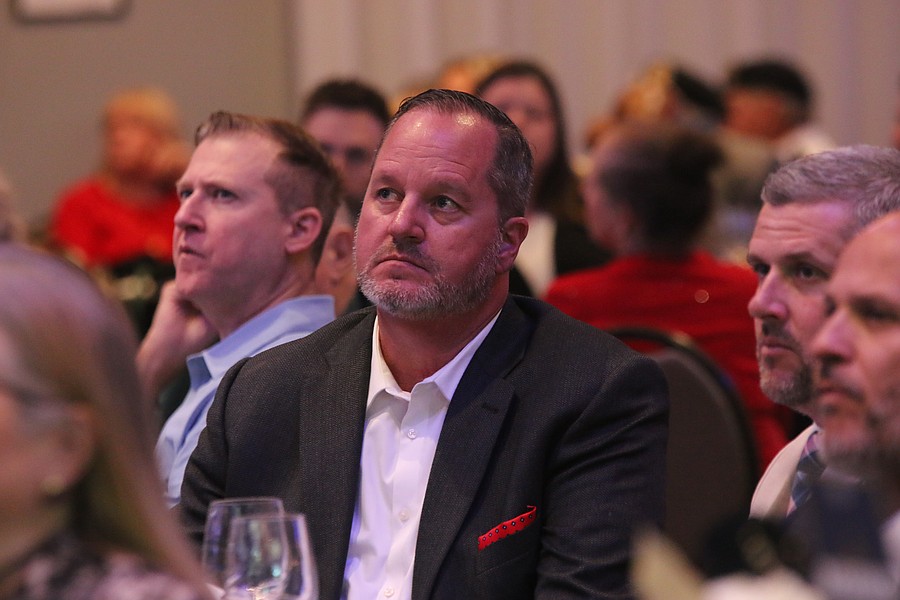
Volusia County Council District 4 Councilman Troy Kent at the 2026 State of the County address. Photo by Sierra Williams
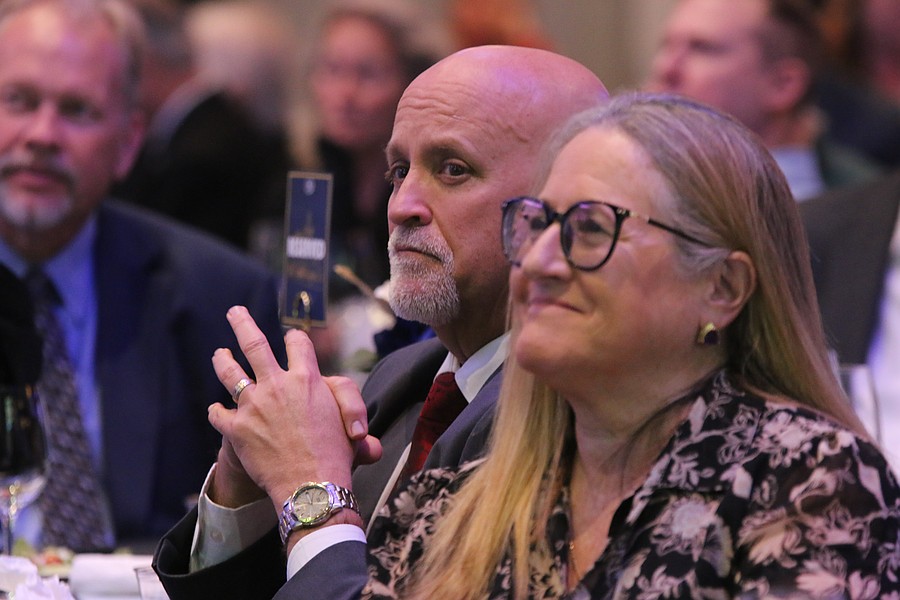
Volusia County Council Councilman Don Dempsey at the 2026 State of the County address. Photo by Sierra Williams
Volusia County Council District 2 Councilman Matt Reinhart at the 2026 State of the County address. Photo by Sierra Williams
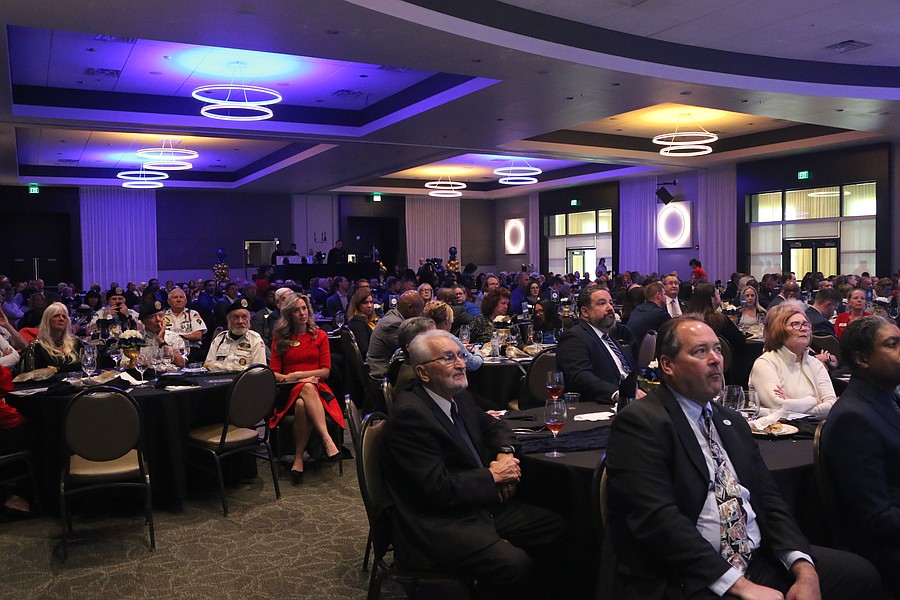
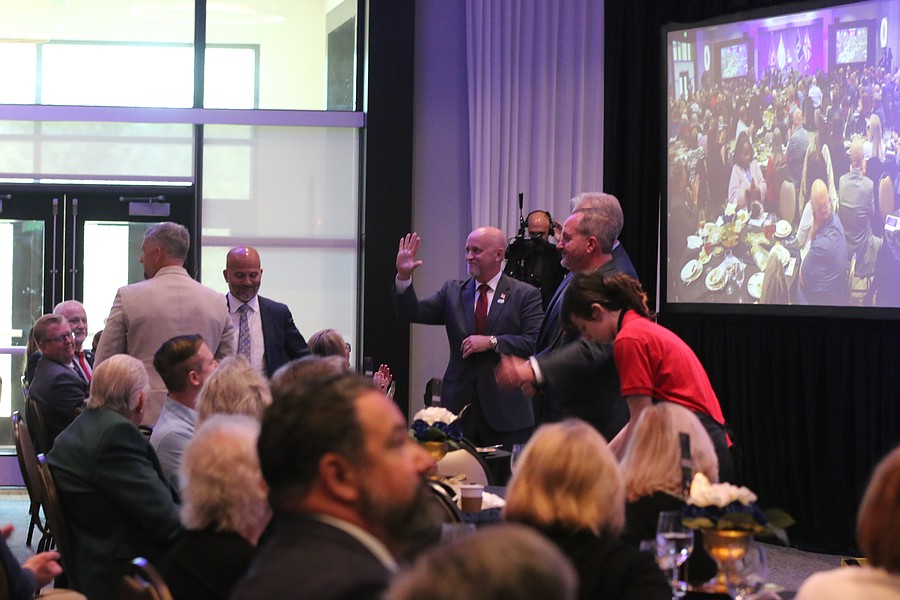
The 2026 State of the County address. Photo by Sierra Williams
The Volusia County Council at the 2026 State of the County address. Photo by Sierra Williams
Volusia County Council Chairman Jeff Brower at the 2026 State of the County address. Photo by Sierra Williams
The Volusia County 2026 State of the County address was held at the Center at Deltona. Photo by Sierra Williams
Volusia County Council Chairman Jeff Brower called for more local control in governance during the 2026 State of the County address.
“Our Republic was designed as a bottom up government,” Brower said. “Not a top pressing down government.”
With a theme of “Driving the future. Honoring Tradition,” the 2026 State of the County address celebrated 2025’s successes across transportation, public works, fiscal responsibility, conservation and more. But Brower, the sole speaker during the Feb. 25 event at the Center at Deltona, said the theme reflects Volusia County’s “deep roots” and values of “stewardship, independence and common sense.”
“At the same time, we understand that responsible government means planning ahead,” he said, “anticipating challenges and making decisions that serve both today's residents and future generations.”
The United States was designed, he said, to be accessible to the people through a system built on balance.
“The government closest to you is best suited to make local decisions,” Brower said. “Local leaders understand those conditions. Volusia, cities and county governments, understand our communities, our environment, our economy and the real world effects of policy decisions.”
Even well intended policies can produce unintended consequences. While the county regularly engages with its state and federal partners, he said, it is local officials’ jobs to ensure “decisions made beyond our borders are informed by local realities.”
Brower said they need the help of Volusia County residents and stakeholders to continue to use their voices to ensure good governance.
“We continue to face preemption by new legislation,” Brower said. “We need your help to preserve local control.”
Brower said water quality is one such issue where local control matters.
“Protecting water quality is one of the most important responsibilities we have, and it is also one of the clearest examples of why local understanding matters,” he said.
Water quality has been a recent hot-topic discussion at the Volusia County Council. Residents and elected officials have been speaking out against toilet to tap water initiatives. Toilet to tap water is recycled toilet wastewater that could be injected back into the aquifer, otherwise known as “blackwater.”
Volusia residents have been urging the council over recent weeks to prohibit the use of blackwater in Volusia County. But at its Feb. 17 meeting, the County Council voted 4-3 against an ordinance that would prohibit it and against placing it on the ballot in the fall.
Because many municipalities in Volusia have their own water utility service area, each municipality would need to pass its own ordinance or charter amendment to prohibit the use of blackwater. Daytona Beach is considering an ordinance prohibiting blackwater.
Water in Volusia County is not abstract, Brower said.
“Water is life,” he said. “Decisions about how that water is managed, protected and used should be shaped by the people who live here and understand those systems.”
The issues of water are not just on water quality, though. Brower said flooding mitigation in Volusia County requires an understanding of water sheds, infrastructure, and collaboration with the county’s municipalities.
As the Florida Legislature considers several proposals to cut back or remove property taxes, many local municipalities are looking to tighten budgets in preparation.
Brower said that while Volusia County is already proud of its efforts to maintain or reduce millage rates last year, the council is already “taking a deeper, more rigorous look at how the county government operates.”
“I believe we must cut spending everywhere we can, while preserving essential, core public services,” Brower said.
Regardless of what happens at the state level, it’s “the right thing to do,” he said, examining core operations and responsibilities “more carefully than ever before.”
In a video presentation during the event about the county’s financial state, Council member David Santiago said the county reduced the fiscal year 2026 budget by $1.6 million in the general fund.
The county’s fiscal year 2025-2026 budget was $1.4 billion, with a general fund tax rate of 3.2007 mills. It maintained the same taxing rates for the Law Enforcement, Municipal Service District, Volusia ECHO and Volusia Forever funds while rolling back the millage rates for five other taxing funds.
Those state discussions about property tax reform will affect local governments across Florida, Brower said, and the County Council is committed to being prepared, whatever comes.
The County Council members may not always agree but “the debates are more critical than ever,” he said, and the county needs the voice of residents to join the conversation. The county is committed to honoring the traditions that shape good governance and stewardship, he said, while driving the future with thoughtful planning and “ deep respect for the framework that make local government work.”
“When decisions stay closely connected to the people and places that they affect,” Brower said, “we are better able to protect our water, our farms, our families. Not just for now, but for generations to come. It's a tremendous responsibility.”