
- April 13, 2026

One of Flagler Schools’ academic goals for this school year was to increase the percentage of students who demonstrated a readiness for kindergarten from 53% in 2022-23 to 55%. Instead, the August to September measure showed a drop to 37% of students who were ready for kindergarten.
While the rate did drop from last year, it is not as drastic as it looks, Scott Reynolds, the district’s coordinator of assessment and accountability, said.
“After we set this goal, the state did change the cut score for this measurement, so it is much more difficult to reach that 53 and 55%,” Reynolds told the Flagler County School Board at its workshop on Tuesday, Feb. 24. “We did see a drop in kindergarten readiness from last year, but we have also implemented a lot of supports through the Teaching and Learning office.”
Among students who were enrolled in the district’s Voluntary Prekindergarten program (VPK), the kindergarten readiness rate was 47%, Reynolds said.
Kindergarten readiness is important because there is a direct correlation between being ready to start kindergarten and third grade reading proficiency, Assistant Superintendent Angela O’Brien said.
“So we want to make sure that we're seeing higher kindergarten readiness scores,” she said
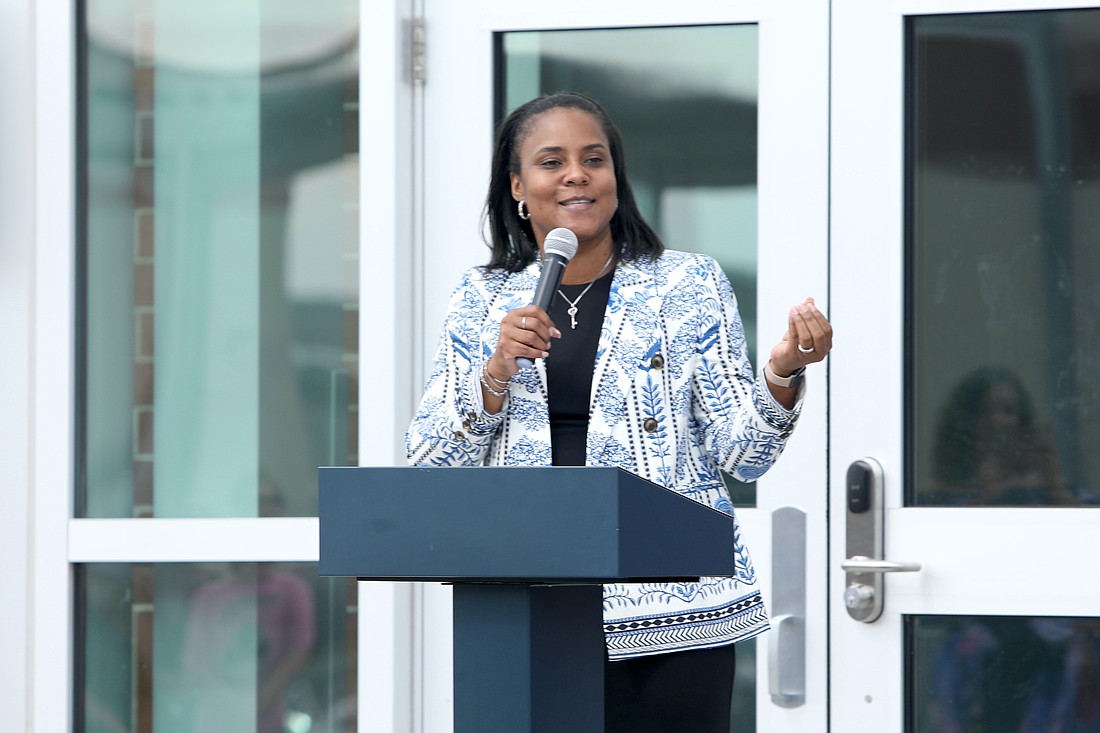
Since the rate is measured in the first 30 days of school for kindergarten students, the issue goes beyond the school district, Flagler School Superintendent LaShakia Moore said.
“If you look at our data, our students that go to our VPK program vs. if we would just take our programs out, our student performance is higher than this, sitting about 50%, but what I will stand by and say is that kindergarten readiness is not a school district issue. Kindergarten readiness is a community effort that we have to work on,” Moore said.
The readiness rate of kindergarten students who do not participate in the VPK program is about 31%, Moore said.
The district’s website has resources for families to help their children get ready for kindergarten, she said.
What we’ve seen this year, is an increase of students coming into kindergarten that are nonverbal, so they lack language. And this is not just one school. Each of our schools in kindergarten are seeing an increase of nonverbal students. And I'm not talking about developmentally delayed. I am talking about students who are having significant language delay that is causing them not to be able to communicate their wants and their needs.
— LaShakia Moore, Flagler Schools superintendent
“The biggest thing is really helping students to be rich in their language,” Moore said. “What we’ve seen this year, is an increase of students coming into kindergarten that are nonverbal, so they lack language. And this is not just one school. Each of our schools in kindergarten are seeing an increase of nonverbal students. And I'm not talking about developmentally delayed. I am talking about students who are having significant language delay that is causing them not to be able to communicate their wants and their needs.”
Moore said a lot of people believe that children need to be able to read when they start kindergarten, but stated, “That is absolutely not true.”
Moore said, “You don't have to teach your child how to read for them to be ready for kindergarten.”
It is important to read to them, recite nursery rhymes and talk to them using full language before they are able to respond, she said.
“Not using baby talk, explaining things to them and helping them understand and reason things that maybe they can't completely grasp into their words is critical,” Moore said. “It all definitely matters when it comes to their future success.”
The state offers the New Worlds Reading monthly free book program for students in VPK through fifth grade, Moore said. Parents can sign up to receive free books and activities every month. The district has a sign-up station at different events.
The district also partners with Early Learning Coalition of Flagler and Volusia.
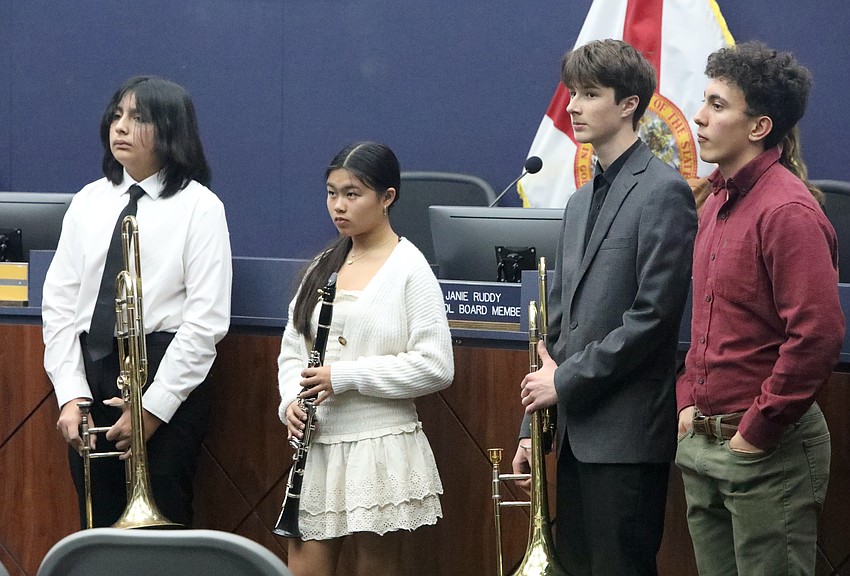
“We’re trying to hit kids who haven’t hit us yet,” board member Janie Ruddy noted.
Reynolds said so far this year, the district has worked with its VPK program on a standards based report card, its deficiency process and multi-tiered system of supports as well as implementing the Foundations literacy program in VPK that the district uses in K-5. They’ve also worked on a professional learning plan for staff and teachers and are using Comprehensive Literacy Development grants to train literacy paraprofessionals in the future. And they are adding an early learning coach and looking at starting a summer school this year, Reynolds said.
Board member Lauren Ramirez encouraged community members to get involved with the district’s ReadingPals volunteer program.
“As a ReadingPal you can come in and read to these classes,” she said. “It is a community effort.”
Board member Will Furry suggested getting other local governments involved to start a county initiative to drive this information through multiple channels.
“Why not see if we can have our partners going out and educating early learning, kindergarten readiness, to our community?” Furry said.
The district is on track for its other academic goals, Reynolds said: increasing students on grade level in English language arts from 55% in 2023-24 to 62% this year; increasing math students on grade level from 58% in 2023-24 to 64% this year; increasing social studies students on grade level from 69% in 2023-24 to 73% this year; and increasing science students on grade level from 61% in 2023-24 to 65% this year.
The district projects that it will meet its ELA goal of 62% and exceed its math goal with 67% on grade level, Reynolds said, adding that they don’t have a formal projection for science and social studies because they don’t have the state’s progress monitoring assessments. But through internal assessments the district is on track to meet those goals as well, he said.
The district is also on track, Reynolds said, in increasing the academic performance for students in two high-priority subgroups — African American and students with disabilities.
They have also increased the percentage of seniors who have completed a college and career acceleration option from 48% in 2023-24 to an estimated 58% this school year.
Also at the workshop, each of the district’s 10 school principals gave mid-year reports on the implementation of their strategies to measure the impact on their academic focus areas.
“It was a great presentation,” Furry said at the board’s evening business meeting. “It gave the board and community a pulse to where (the schools) are right now.”