- March 24, 2026

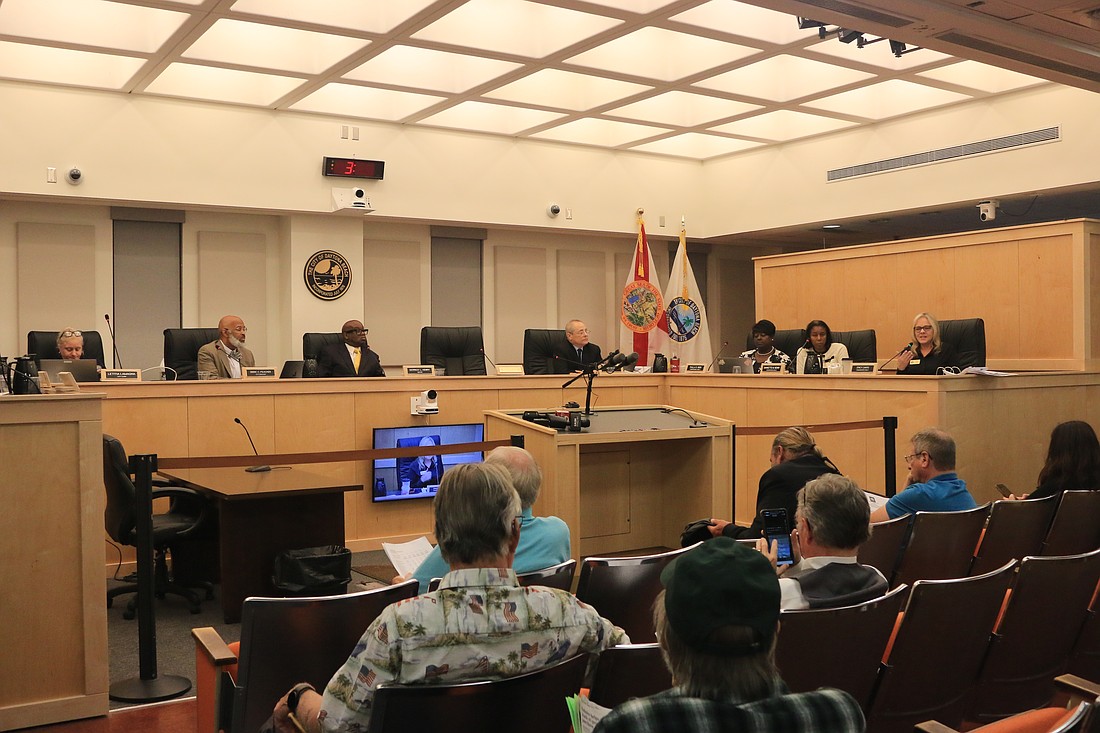
The Daytona Beach City Commission has agreed: they want no toilet to tap water in their city.
The commission voted 7-0 at its Feb. 4 meeting to have City Attorney Ben Gross draft an ordinance that would support a Volusia County charter amendment banning blackwater, or wastewater from toilets, from being used in the city’s potable water and injected into the aquifer. The ordinance will return for adoption by the commission at its next meeting on Feb. 18.
The Volusia County Council is drafting its charter amendment which will be placed on the 2026 ballot. The amendment would prohibit the use of blackwater — wastewater from toilets — from potable water reuse and being injected into the aquifer in Volusia County.
Gross said the city’s ordinance would be subject to the referendum and a preemption by the state.
“The difference being that your statement of intent and a resolution doesn't bind future city commissions. A charter amendment would,” he said.
The suggestion for a city document against toilet to tap was brought up by Commissioner Ken Strickland and seconded by Commissioner Stacy Cantu. Strickland initially asked for a letter or resolution, while Cantu asked the city go a step further, based on the discussion at the Feb. 2 County Council meeting to amend the county charter.
Cantu said she personally doesn’t see toilet to tap happening anytime soon, but does not support it.
“I'm not in support. I don't think any of us are,” Cantu said. “I don't see what the problem is to let the people vote.”
Should the Daytona Beach ordinance pass, it would prevent blackwater from reaching any of its consumers through the city water utility. But, resident Fred Coulter said, the ordinance may not accomplish what the commissioners are looking for if just one Florida city moves forward with blackwater reuse.
“We don't have a Daytona Beach aquifer, a South Daytona aquifer, an Orlando aquifer,” Coulter said. “We have one giant aquifer. If any one city says we're going to put our poopy water in the aquifer, there's no way we can keep it out of our drinking water.”