
- April 9, 2026

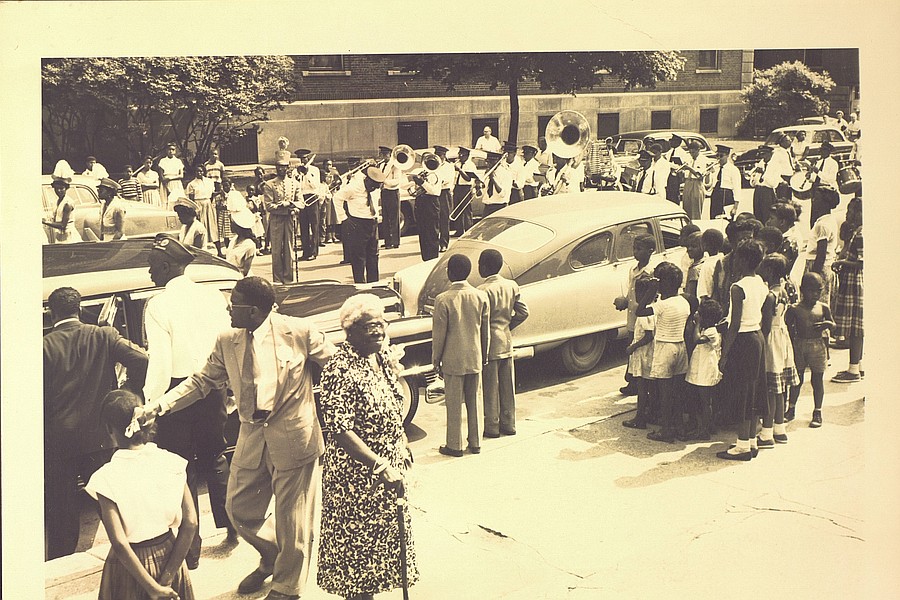
Mary McLeod Bethune-Founder of BCC (old photo with her cane). Photo courtesy of Bethune-Cookman University
Mary McLeod Bethune-Founder of BCC (old photo with her cane). Photo courtesy of Bethune-Cookman University
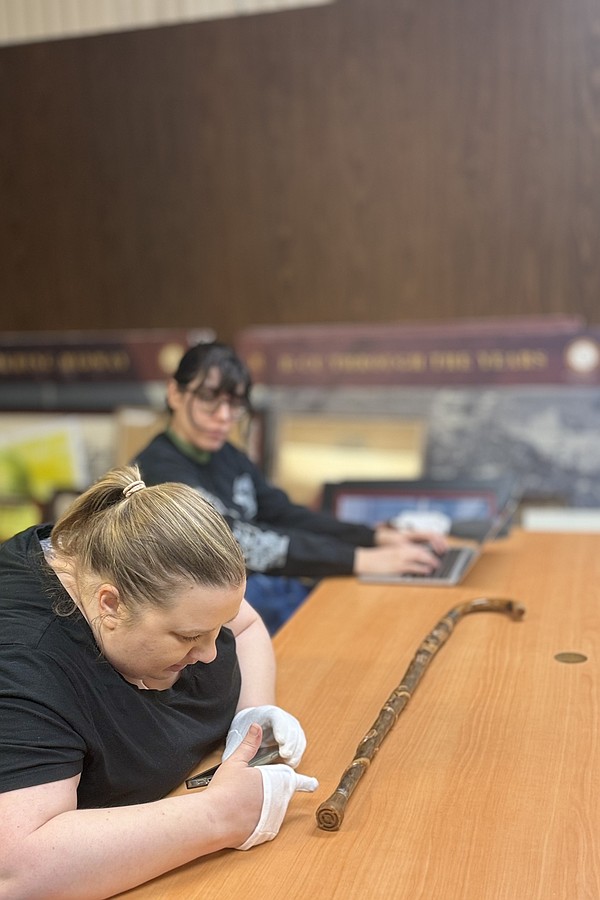
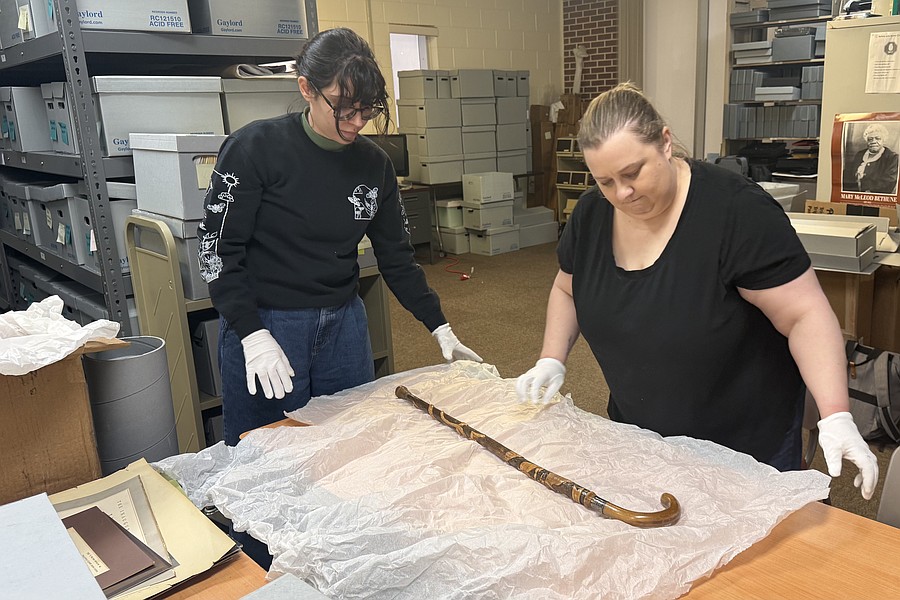
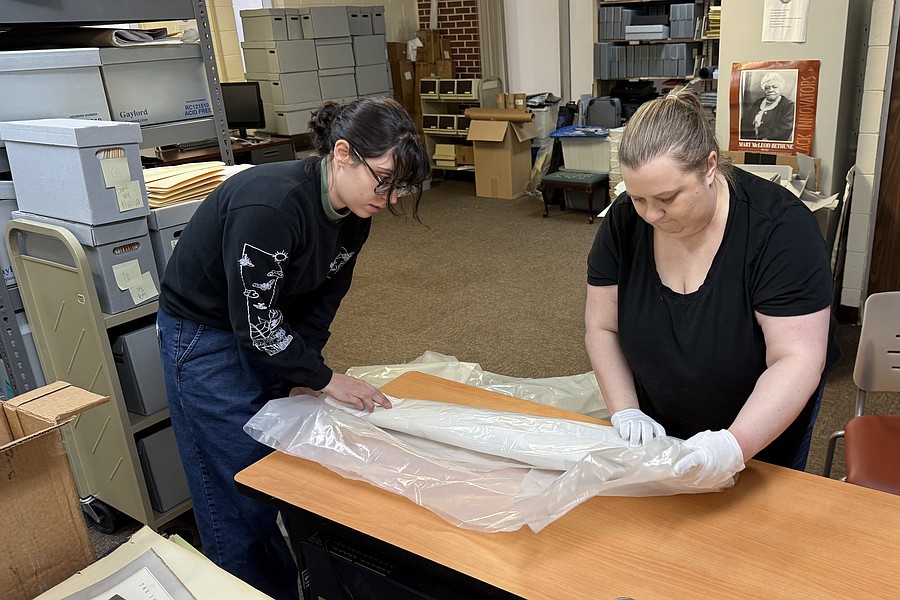
Barack Obama Presidential Center curators handling Dr. Bethune's cane. Photo courtesy of Bethune-Cookman University
Barack Obama Presidential Center curators handling Dr. Bethune's cane. Photo courtesy of Bethune-Cookman University
Barack Obama Presidential Center curators handling Dr. Bethune's cane. Photo courtesy of Bethune-Cookman University
DAYTONA BEACH — A historic item connected to Mary McLeod Bethune is headed to a national stage, as a cane she used in her later years will be featured at the Barack Obama Presidential Center.
Curators recently traveled to Bethune-Cookman University to prepare the artifact for its move to Chicago, where it will be included in an exhibit highlighting historically Black colleges and universities and the broader civil rights movement. The exhibit is set to open in June 2026, with the cane on display through 2028 before it returns to the Daytona Beach campus.
The artifact provides a direct link to Bethune’s enduring legacy as an educator, advocate and national leader. Born in 1875 in South Carolina to parents who had been enslaved, Bethune understood early on the power of education as a pathway to opportunity. She went on to dedicate her life to expanding access to education for Black Americans, particularly young women.
In 1904, Bethune founded what would become Bethune-Cookman University, starting with just a handful of students in a small Daytona Beach home. Her school emphasized both academic learning and practical skills, helping students build independence during a time of widespread racial discrimination. In 1923, the school merged with Cookman Institute, forming Bethune-Cookman College and laying the foundation for the institution that exists today.
Bethune’s influence extended far beyond the classroom. She became a trusted advisor to President Franklin D. Roosevelt and played a key role in his administration as part of the informal group known as the Black Cabinet, advocating for policies that supported African American communities during the New Deal era. She also founded the National Council of Negro Women, further advancing civil rights and leadership opportunities for women.
Today, Bethune-Cookman University stands as a lasting testament to her vision, continuing to educate and empower students in Daytona Beach and beyond. The upcoming exhibit in Chicago will place her story and contributions before a national audience, highlighting the broader impact of historically Black colleges and universities.
University leaders say the temporary display of Bethune’s cane is both a recognition of her significance and an opportunity to share her story with a wider audience. When the artifact returns in 2028, it will once again serve as a powerful symbol of her life’s work and lasting influence on education and civil rights.