
- April 3, 2026

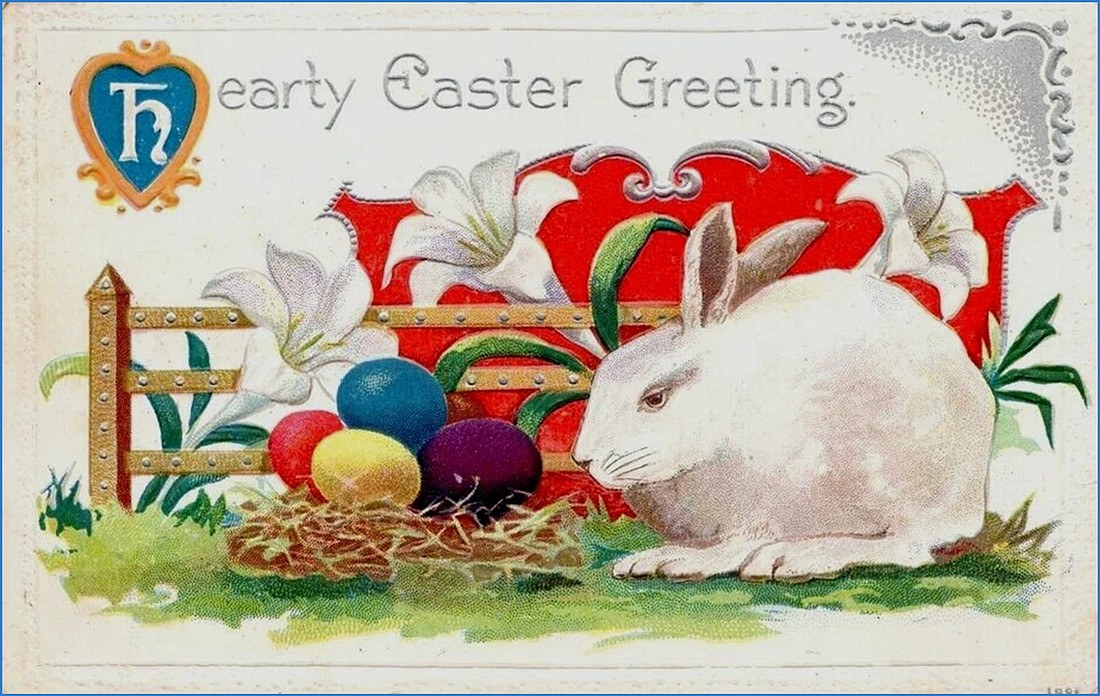
Easter (also known as Resurrection Sunday or Pascha) is the oldest of all Christian holidays and many consider it to be the most important. Easter marks the end of Lent, a 40-day period of fasting, prayer, repentance and the giving of money or food to needy people. Easter is celebrated on the first Sunday after the full moon following the vernal (spring) equinox. Easter symbolizes the forgiveness of sins, victory over death, and the promise of eternal life.
Traditional Easter church services celebrate the resurrection of Jesus Christ and include celebratory morning liturgies, solemn vigils and sunrise services.
The historic origins of the name Easter are obscure. For centuries it has been reputed that the name Easter was derived from Eastre (or Eostre), the pagan Anglo-Saxon “goddess of the east (from where the sun rises),” who symbolized spring, fertility, and rebirth. The Anglo-Saxons reportedly held a festival during the spring equinox called Eastre to honor this goddess. The major issue with this Easter name origin story is that there is no solid historical evidence that the goddess Eastre/Eostre was ever worshipped by any pagan cult. In fact, the only historical mention of Eastre is in the writings of Bede the Venerable, an 8th-century English monk, author and historian. Furthermore, there are no other known ancient altars, shrines or writings that are associated with the goddess Eastre. Based on 19th-century research by the German folklorist Jakob Grimm, the most likely origin of the name Easter comes from an old German word for “east” or the name of a springtime month.
As Christianity spread, some older pagan traditions evolved into the Christian celebration of Easter. Examples include the egg and the bunny (hare or rabbit) which are pre-Christian symbols representing birth, creation and fertility. These symbols were integrated into Easter celebrations from centuries-old ritualistic pagan spring festivals.
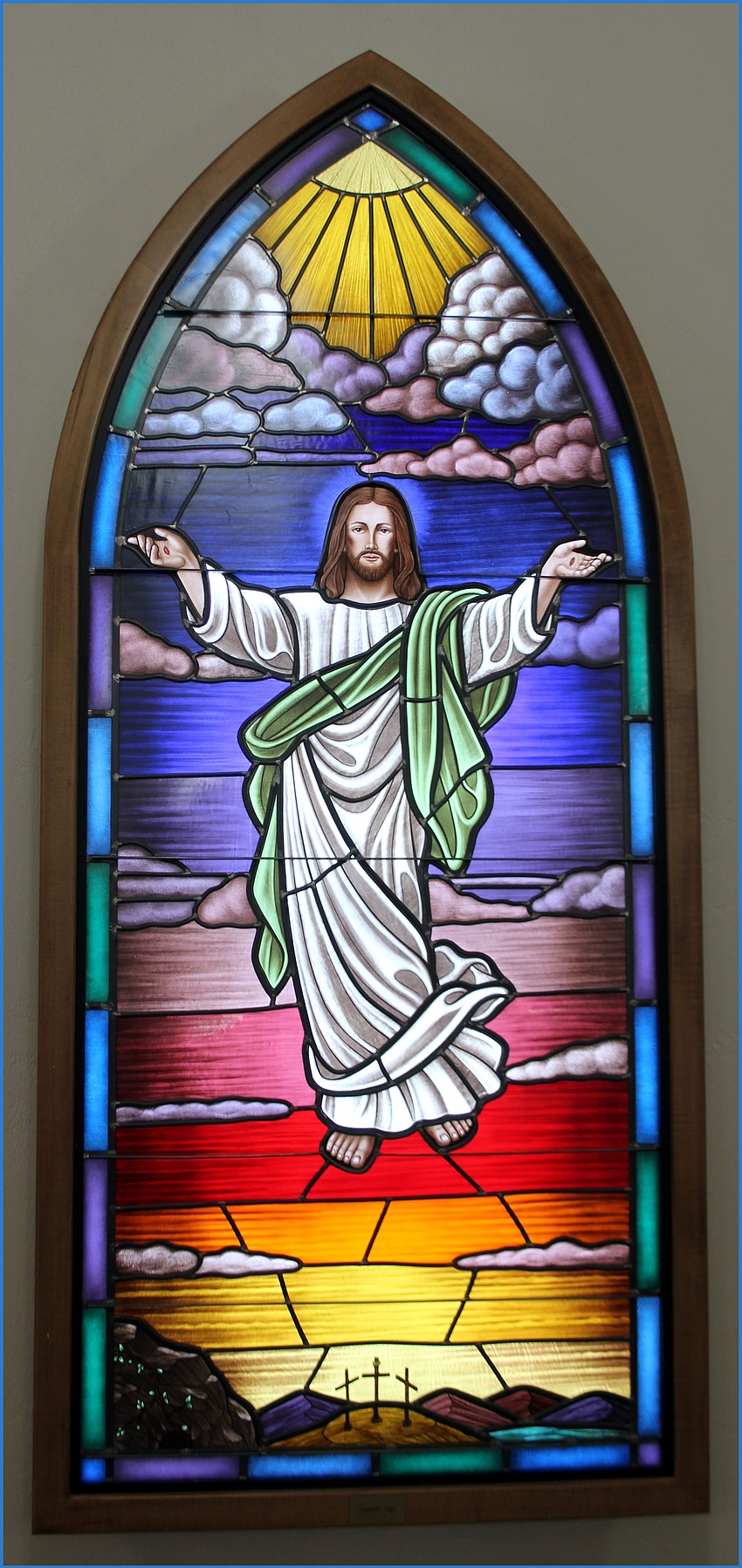
30 A.D. – (Resurrection Day): In the Christian faith, Easter is associated to the miraculous resurrection of Jesus Christ. Three days after Jesus was crucified by the Romans, due to political charges of sedition (conduct or speech inciting people to rebel against the authority of a state), he was resurrected from the dead from the cave he was entombed in.
325 A.D. – (Emperor Constantine I): The first Roman emperor to convert to Christianity was Constantine I. He declared that the resurrection of Jesus Christ took precedence over pagan festivals and he standardized the date for the Christian celebration of Easter. During his reign, Constantine I maintained a policy of religious tolerance; however, he did introduce laws to restrict specific aspects of polytheism (the worship of more than one god) which included the banning of sacrifices, private divination and secret rituals. Several decades after Constantine I’s death Emperor Theodosius I issued a series of decrees (between 389 and 392 A.D.) which criminalized paganism throughout the Roman empire.
13th Century: Christians began decorating eggs for Easter to symbolize rebirth, new life and the resurrection of Jesus Christ. This tradition likely began from the fact that eggs were formerly forbidden to be eaten during Lent. Christians would decorate and paint eggs to mark the end of Lent and then eat them on Easter as part of the holiday’s celebration. Earlier Pagan traditions revolved around the egg representing life. Reportedly, the Druids dyed eggs red to represent the fertility of Brigid (or Brighid), the Celtic goddess who governed spring, healing, and childbirth. During the equinox, Druids buried red eggs in their crop fields as an offering to the earth and to assure the goddess Brigid’s fertility and blessings would lead to plentiful harvests in the upcoming growing season.
18th Century: German immigrants in the U.S. introduced the egg-delivering “Osterhase” (Easter hare) who brought brightly colored eggs to well-behaved children and placed them into nests. The “Osterhase” evolved into the modern Easter Bunny which is a fun figure that represents spring and is associated with candy and gift-giving. The Easter Bunny has no direct biblical connection.
19th Century: The modern tradition of festive, multi-colored Easter eggs and Easter egg hunts for children was popularized. Eggs decorated with gold leaf were introduced and exchanged by Russian nobility. In Europe, chocolates became part of Easter celebrations.
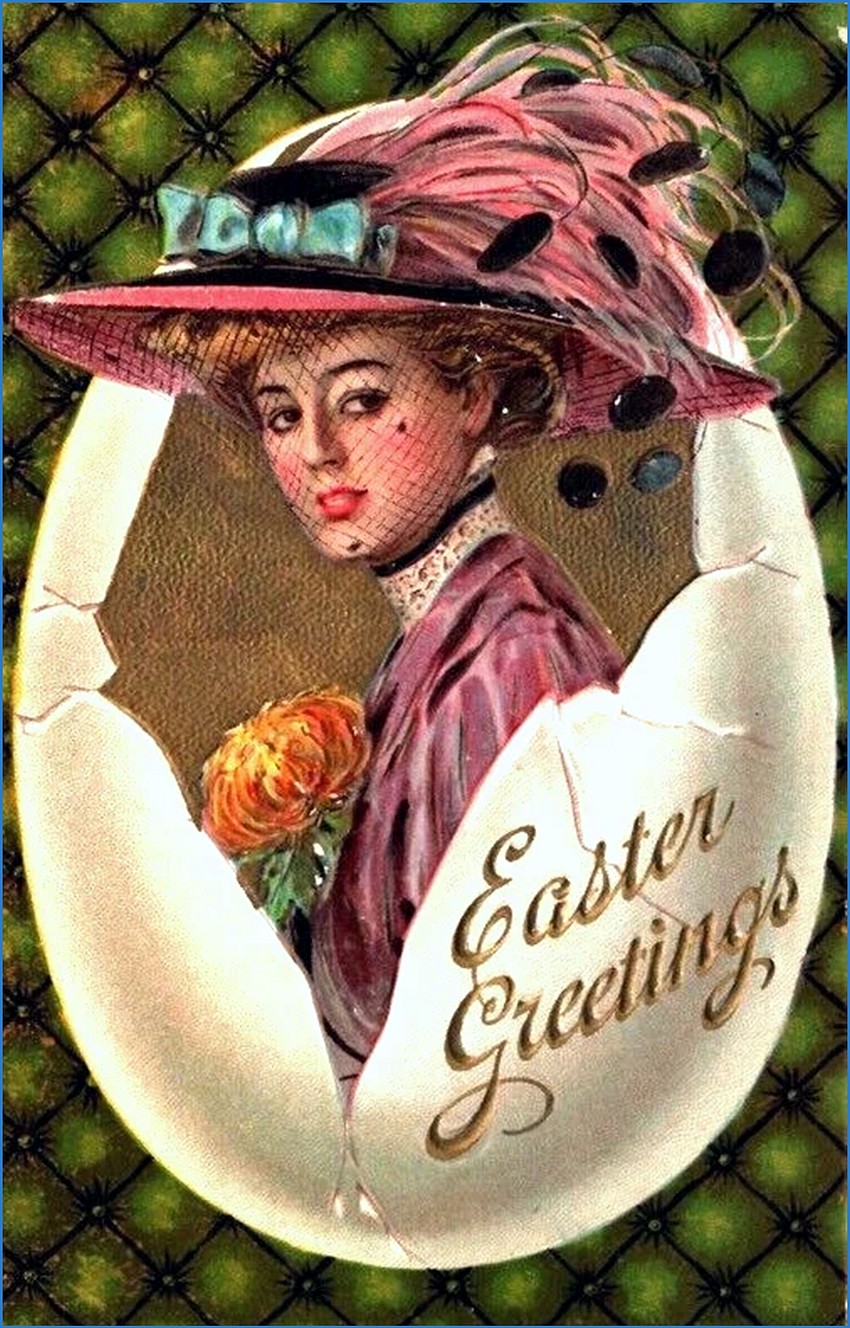
1870: The first official Easter parade in the U.S., the “Fifth Avenue Parade,” occurred in New York City. The “Fifth Avenue Parade” is widely regarded as the origin of the modern Easter parade tradition in the U.S. Many people, especially the elite, wore their finest suits and gowns along parade routes as celebrating Easter became an eventful fashion show.
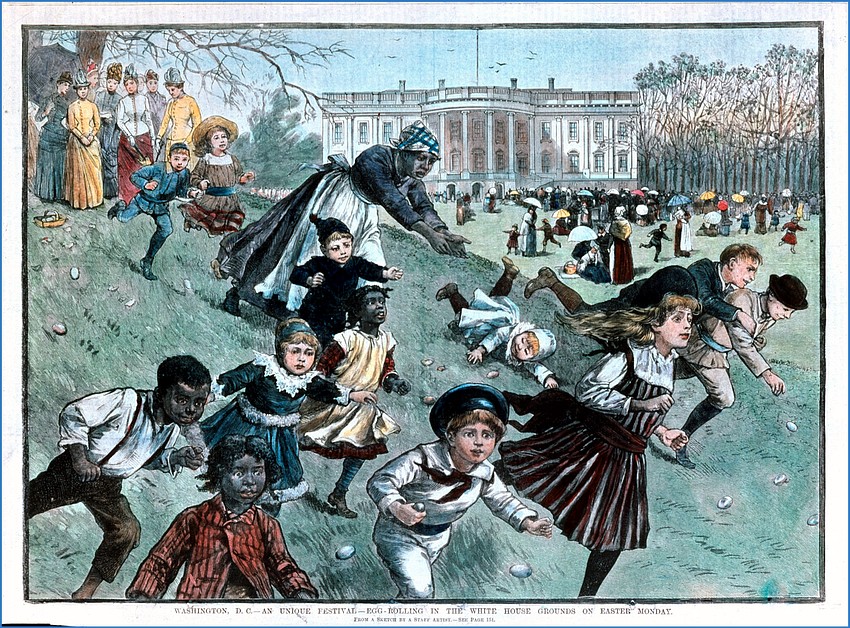
1878: U.S. President Rutherford B. Hayes hosted the first Easter egg roll for children on the South Lawn of the White House. The Easter egg roll has evolved into an annual Easter tradition at the White House.
1930s: Sugary sweets became a traditional part of Easter celebrations.
1948: The famous American Technicolor romantic musical film Easter Parade starring Fred Astaire and Judy Garland immortalized Easter as a brightly colorful and fun modern family holiday. Easter Parade was a huge box office hit and won the Academy Award for Best Original Music Score. It was the second-highest grossing MGM musical film of the 1940s.
Traditional Easter main course meals typically include roasted lamb, which symbolizes sacrifice, and glazed ham, which represents spring celebrations. Alternative main courses include salmon, which is a lighter spring-focused choice and roasted chicken, which is a flexible option. Side dishes include spring vegetables like asparagus and roasted/glazed carrots, potatoes (roasted, mashed, or au gratin), deviled eggs and spring pea pasta/salad. Breads and desserts include carrot cake, hot cross buns (spiced, sweet yeast-leavened buns filled with dried fruit) and Simnel cake (a fruitcake associated with Lent and Easter).
Easter candy is the second best-selling holiday candy in the U.S., after Halloween. Chocolate eggs, which date back to early 19th-century Europe, are among the most popular sweet treats associated with Easter.
Jelly beans became associated with Easter during the 1930s because of their egg-like shape which symbolizes new life. The National Confectioners Association reports that over 16 billion jelly beans are made for Easter in the U.S. every year.
Marshmallow peeps (the sugary, pastel-colored confection, yellow being the most popular color), has been the top-selling non-chocolate Easter candy for the past two decades.
The most iconic Easter flower is the white Easter lily which symbolizes innocence, purity and the resurrection. Other flowers that are given as gifts to celebrate the Easter season include daffodils (representing the arrival of spring, joy and new life), daisies (representing innocence and purity), Easter cactus (known for blooming in colors of pink, purple and red around the Easter holiday season), hyacinth (known for pastel colors, deep fragrance and their symbolization of sincerity), iris (which symbolizes faith, hope, and wisdom), ranunculus (known for their enchanting layered petals) and tulips (which represent perfect love and spring).
Easter is one of the top five holidays for consumer spending in the U.S. Total Easter spending for 2026 is projected to hit a record-breaking $24.9 billion, which exceeds the previous 2023 high mark of $24 billion.
Easter events in Florida for 2026 include notable celebrations including parades, Easter Egg Hunts and various forms of live entertainment.
City of Palm Coast’s Annual Egg’Stravaganza features family-friendly games, crafts and tons of eggs.
Key West’s annual Easter Egg Roll at the Truman Little White House features a visit by the Easter Bunny, arts and craft activities, live music, refreshments, and commemorative wooden Easter eggs that are given to children.
Presbyterian Church Family Easter Egg Hunt in Ormond Beach features breakfast and Easter egg hunts for different age groups.
St. Augustine’s Parada de los Caballos y Coches (Parade of Horses and Carriages) is the second-oldest Easter parade in the U.S.
St. Petersburg Spring Fest & Easter Egg Hunt is a family-friendly event featuring a magic show, Easter Bunny, games and rides, and an Easter egg hunt for a whopping 20,000 eggs.
The Berry Farm’s Easter Eggstravaganza in Miami features Easter egg hunts, chick and bunny petting zoo and live entertainment.
“Easter reminds us that even after the darkest moments, hope rises again.”
Happy Easter to one and all.
Randy Jaye has recently researched and nominated five properties that have been successfully added onto the National Register of Historic Places, and is the author of five history books. He also writes articles for historical journals, local newspapers, magazines, online publications, and has appeared on several radio shows and PBS documentaries. He earned both a master’s degree and a bachelor’s degree from California State University.