- April 1, 2026


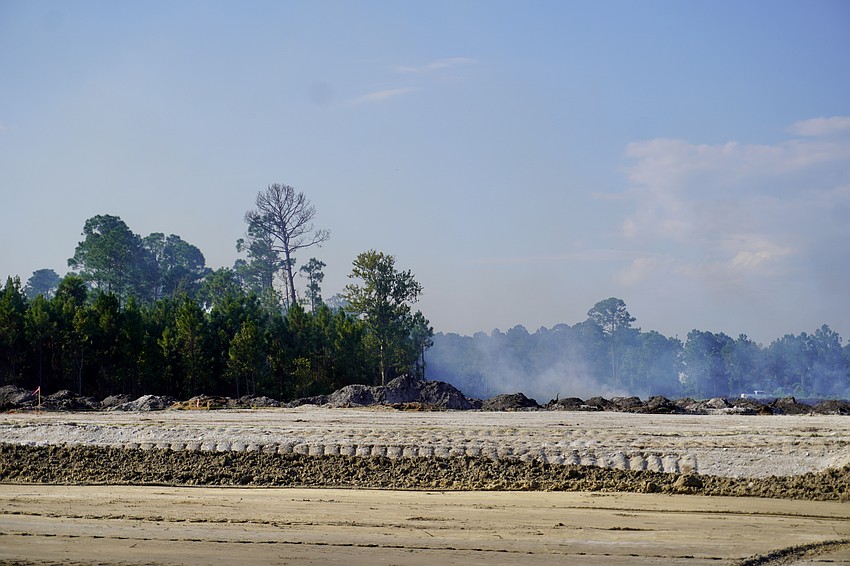
Counties across the state of Florida are experiencing record-breaking heat and severe weather events. At the same time, our beloved sunshine state is seeing unprecedented population growth and urban development — and, consequently, unprecedented deforestation and ecosystem destruction.
With people pouring into Florida from across the United States and acres of forests cleared to make way for new construction, our communities’ first line of defense against natural disasters — our ecosystems — have seen a rapid decline.
Flagler County shares the same challenges faced by our neighboring communities, experiencing sweltering summers and flooding following recent hurricanes and severe storms. Even still, we’ve seen an uptick of construction in recent years and widespread destruction of our local ecosystems as a result. Just between the years 2017 and 2021, North Central Florida lost over 34,768 acres of tree cover. The City of Palm Coast lost the most of any municipality during that time period — over 3,155 acres.
Floodwaters that used to recede into wetlands and pine flatwoods are now met with yet another single family home development or a shopping plaza ladened with concrete. Decades-old oak trees and once pristine wetlands — all critical to our community’s air quality and wellbeing — decimated for more storage unit facilities, car washes, and parking lots devoid of trees.
Flagler County is uniquely positioned to invest in our existing community by choosing to develop responsibly, conservatively, and sustainably. Development is inevitable, but conservation is crucial and necessary.
WEATHER WORSENS
Extreme weather events are expensive -— and increasing in frequency. Since 1980, the United States has experienced over 403 environmental disasters that have exceeded $1 billion in damage costs, surmounting $2.915 trillion dollars. These costly occurrences are increasing in frequency; in 2024 alone, Florida had 11 extreme weather events that cost over $135.2 billion in damages. Since the 1980s, extreme weather events have cost our state nearly $370 billion, the second highest cumulative-damage costs in the entire country. The Southeastern United States has seen an increase in tornado activity in recent years, and less forest cover means more exposure to the impacts of severe weather events for residents across the county.
The costs of extreme weather events, as well as our communities’ vulnerability to them, will continue to increase. Environmental disasters can cause significant damages to a region’s infrastructure and economy long after they’ve occurred. It’s not if a disaster is going to strike — it’s when.
ECOSYSTEM SERVICES
Ecosystems are our community’s greatest defense against extreme weather and our greatest advantage in progressing as a healthy and resilient community. An ecosystem consists of all of the living organisms, as well as the physical and chemical components (such as the weather, the atmosphere, and the landscape) interacting within a geographic area. Flagler County is home to a diverse array of ecosystems that provide “benefits,” known as ecosystem services, including flood and storm protection, erosion control, and freshwater filtration. Our forests, full of towering oaks, pines, and sprawling palms, play a significant role in regulating temperature and air quality, providing shading and cooling to our neighborhoods and roadways. Wetlands and mangroves mitigate flood impacts, protect against storm surge, and help maintain water quality across the region. Sea dunes protect our shorelines from rough surf and erosion — more effectively than any sea wall— and provide habitat and nesting grounds for threatened and endangered species, such as gopher tortoises and sea turtles.
The clearing of these ecosystems for new construction directly impacts our health, our infrastructure, and our ability to bounce back after severe weather events.
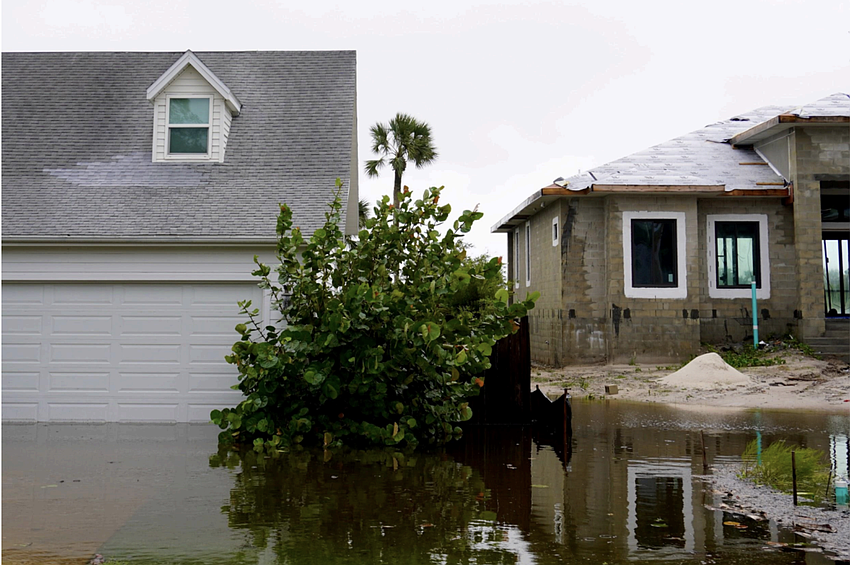
Preserving ecosystems and maintaining green spaces within a community not only protects existing developments, but actually increases their property values. The protection of endangered species — and by extension, their habitats —actually leads to an appreciation in property values in proximity to the protected ecosystems.
Flagler County is uniquely positioned to invest in our existing community by choosing to develop responsibly, conservatively, and sustainably. The deforestation and urbanization we’re witnessing across Flagler County has resounding impacts — locally, regionally, and nationally.
With the filling of wetlands and disruptions of naturally occurring stormwater flows, we’re going to be seeing more frequent flooding events locally, even outside of hurricane season. Following Hurricanes Milton and Helene in 2024, neighborhoods in Palm Coast, Bunnell, and Flagler Beach experienced unprecedented flooding after acres of wetlands and forests that had historically absorbed floodwaters have now been filled to support new neighborhoods and shopping plazas.
A HOTTER PLANET
A reduction of green spaces and increased development also means we’ll be seeing increasing temperatures. Land-use changes as a result of population growth — deforestation, industrialization, and urbanization — have a major influence on temperatures locally and regionally. Heat can have significant impacts on both human-made systems and the natural environment: straining a community’s infrastructure, exacerbating existing health issues, and disrupting local economies. Shade provided by trees significantly lower the temperatures of an area — anyone that’s walked through a parking lot barren of trees this past summer can imagine the relief that the shade of just a single tree could provide.
While other counties across Florida are scrambling to remedy their poor development choices of the past (clear-cutting and building in flood zones, for example), Flagler County is in a unique position to be proactive in preparing for future natural disasters, centering conservation in all development decisions, and prioritizing our ecosystems not only for the people of the present, but for the generations of the future.
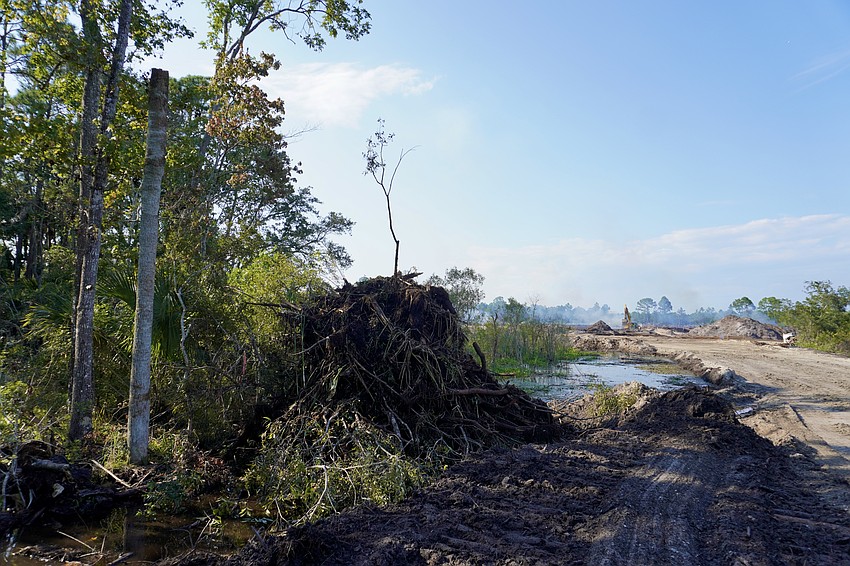
In the last decade, we’ve seen a slew of private companies capitalizing off our community’s remaining green spaces. KB Home, which states that its “sustainability is built on one essential idea: balance,” generated a $7 billion in revenue for 2024 after developing 106 new communities across the United States. KB Home now has four developments in Flagler County, in addition to its 16 communities in the Jacksonville/St. Augustine area and 34 in the Orlando area.
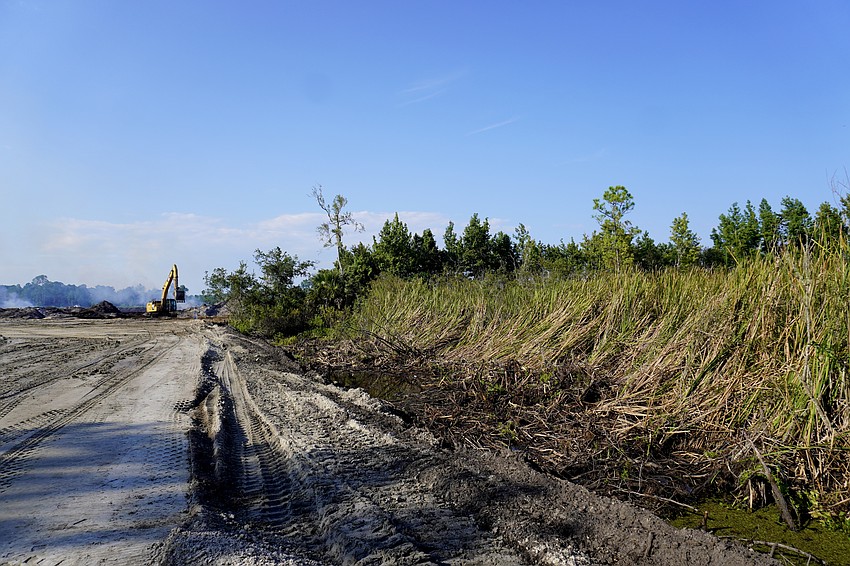
Sunbelt Land Management, the company behind the Veranda Bay Development along John Anderson Highway, has cleared multiple acres of trees and wetlands in Flagler County, removing the benefits of the mangroves.
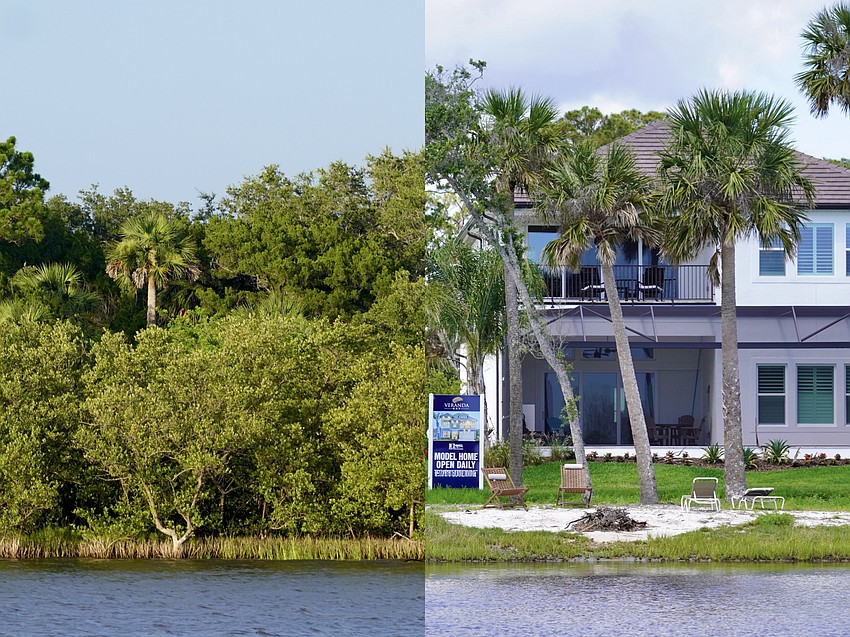
Apartment complexes and subdivisions often use words like “preserve” and “reserve” but then build on gopher tortoise habitats and wetlands. The City of Bunnell recently followed neighboring cities’ Palm Coast and Flagler Beach’s suit and approved a 6,100-home development — The Reserve at Haw Creek — across nearly 2,788 acres in west Flagler County. Despite frequent flooding already burdening Bunnell residents and concerns over arsenic contamination at the two confirmed Cow Dipping Vat sites on the property, the Reserve at Haw Creek development is moving along. How are we sure local residents or any soil and groundwater don’t have arsenic or other contaminants?
THE STATE'S ROLE
While the impacts of irresponsible development and growth are felt locally, these issues cascade from the state level. One major factor contributing to this issue is the Florida Fish & Wildlife Conservation Commission (FWC) currently being run by developers — a conflict of interest. The seven FWC Commissioners, appointed by the Florida Governor and confirmed by the Florida Senate, are responsible for “managing fish and wildlife resources for their long-term well-being and the benefit of people.” However, all seven of these political appointees have ties to real estate and commercial development, and little to no expertise in natural resource management or environmental science.
You may recall the proposed plan to build golf courses and hotels in Florida state parks from earlier this year — we can, in part, thank former FWC Commissioner Gary Nicklaus for that controversy, though he’s since resigned and has been replaced by another individual with ties to development. We can also thank the current FWC Commission for approving the first black bear hunt in over a decade, despite insufficient scientific evidence or current research about Florida bear populations and overwhelming opposition from the majority of Floridians.
A proposed amendment aims to reform the FWC Commission to encompass a variety of local and regional expertise to ensure representation for farmers, hunters and anglers, and conservationists — not just private developers and real estate interests. You can learn more about the growing movement to demand greater transparency, scientific integrity, and public accountability within the FWC Commission at https://reformfwc.org.
In response to public outcry this past year, Florida’s 175 state parks are now protected from future developments. However, a recent bill introduced by Flagler County’s U.S. Rep., Randy Fine, seeks to establish 2,800 square miles of land in Florida, including our own Princess Place Preserve, as part of the National Parks system — and this bill has the potential to do more harm than good if passed. A major concern is that at this time, federally managed lands do not have the same level of protection as achieved by the recent Florida state parks bill, and could lead to future development decisions being made by the federal government, overriding local and state decision makers.
What can you do?
Advocate for responsible, sensible, and conservative growth in our local communities by attending a meeting.
Voice your concern about how the county is being developed with local leadership
Supporting Land Acquisition Efforts
Contacting your Elected Representatives
We need to prioritize the conservation of our remaining ecosystems in all future development decisions. The clear cutting of acres of forest and destruction of critical wetland habitat must come to an end. Development is inevitable, but conservation is crucial and necessary.
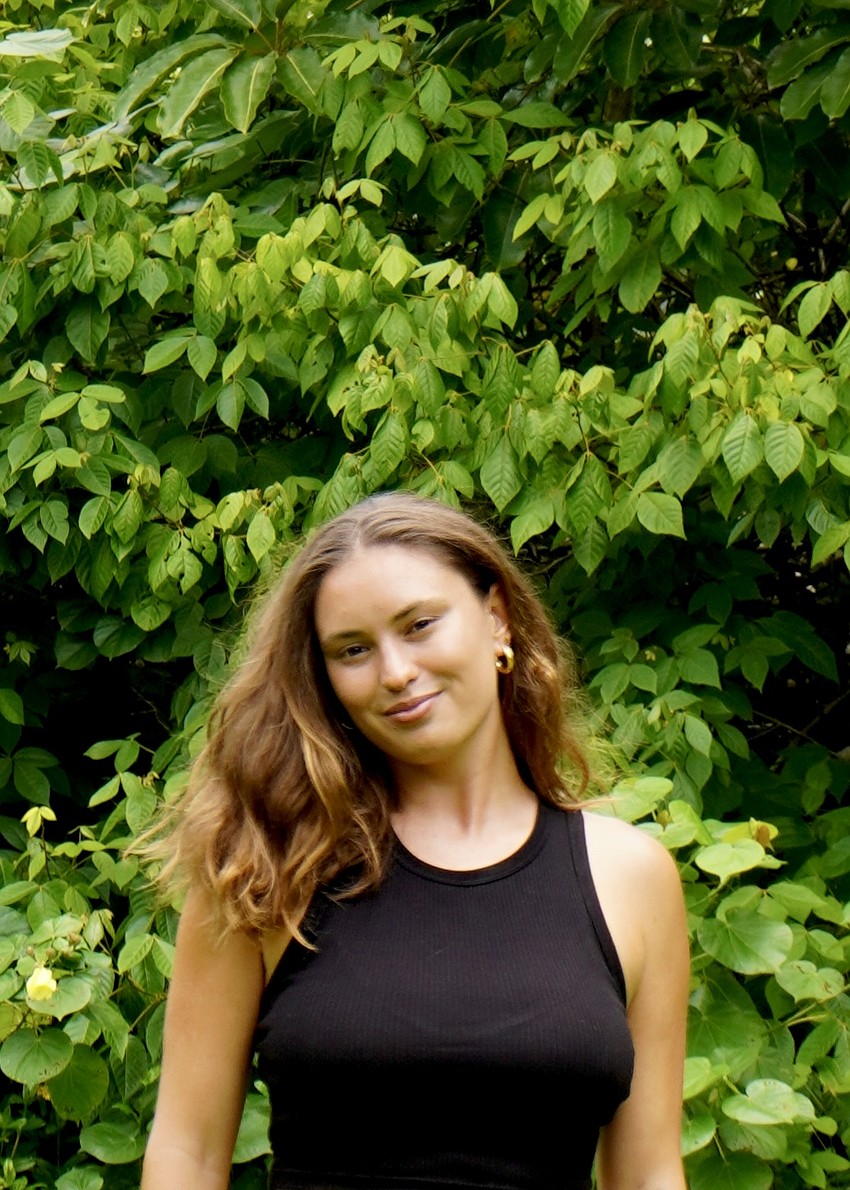
Isabella Herrera is a lifelong resident of Flagler County. A graduate of Matanzas High School, Herrera achieved her bachelor’s degree in sustainability and the environment, with a certificate in biodiversity conservation and management from Florida International University. After working with numerous Florida-based environmental organizations, Herrera has spent the last three years working for the American Meteorological Society’s Policy Program.