- March 17, 2026

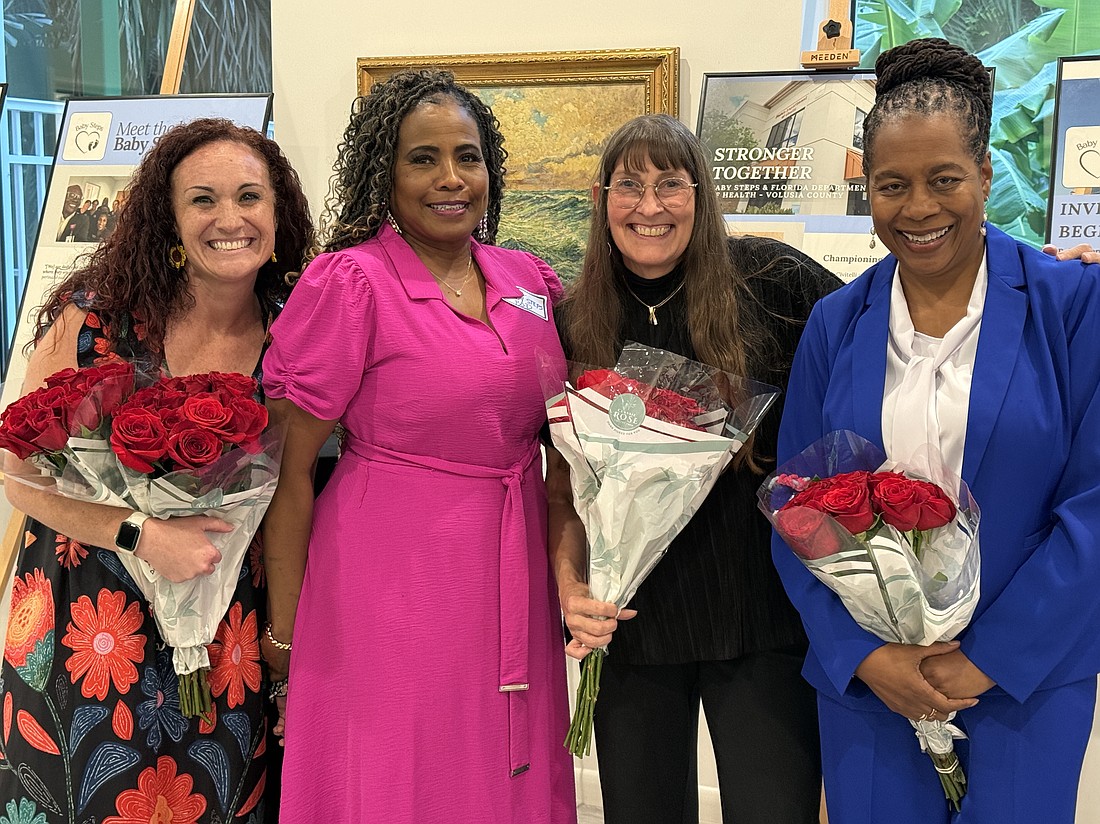
As Dr. Pamela Carbiener organized a new nonprofit to support expectant mothers in Volusia and Flagler counties, she told the community they were going to fill the gap in needed early prenatal care.
Since April, Baby Steps has served almost 250 women in its clinic, and Carbiener, an obstetrician-gynecologist with Halifax OBGYN, realized the need was greater than anticipated.
"Six months later, it's like, 'Oh my gosh, no.' We're going to be able to put a dent in the gap and we have to focus also on educating our community about what's going on," said Carbiener, who serves as the chairman of the Baby Steps board and its medical director.
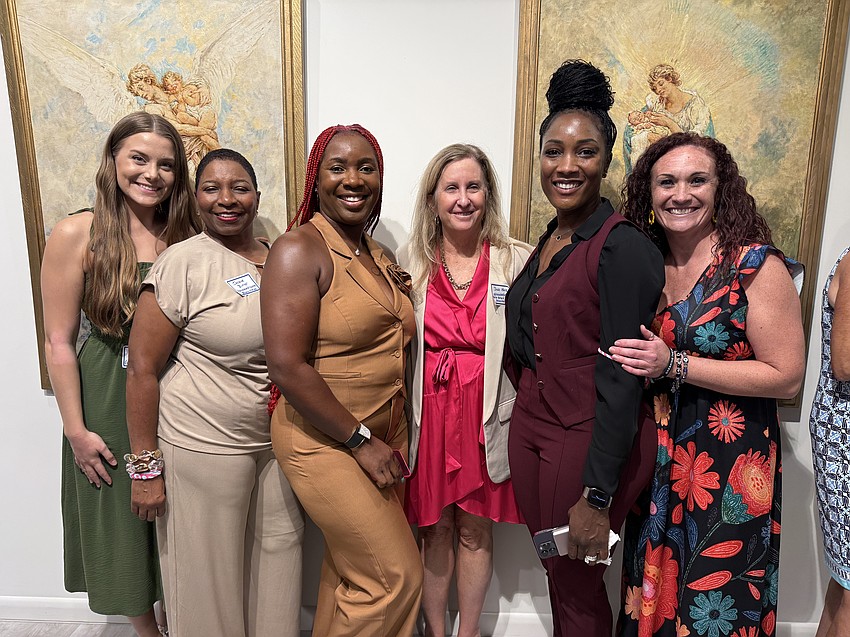
On Tuesday, Sept. 23, Baby Steps, which operates out of the Volusia County Department of Health at 421 S. Keech St., received a significant boost of support: the launch of an endowment in partnership with the Community Foundation and United Way of Volusia-Flagler Counties.
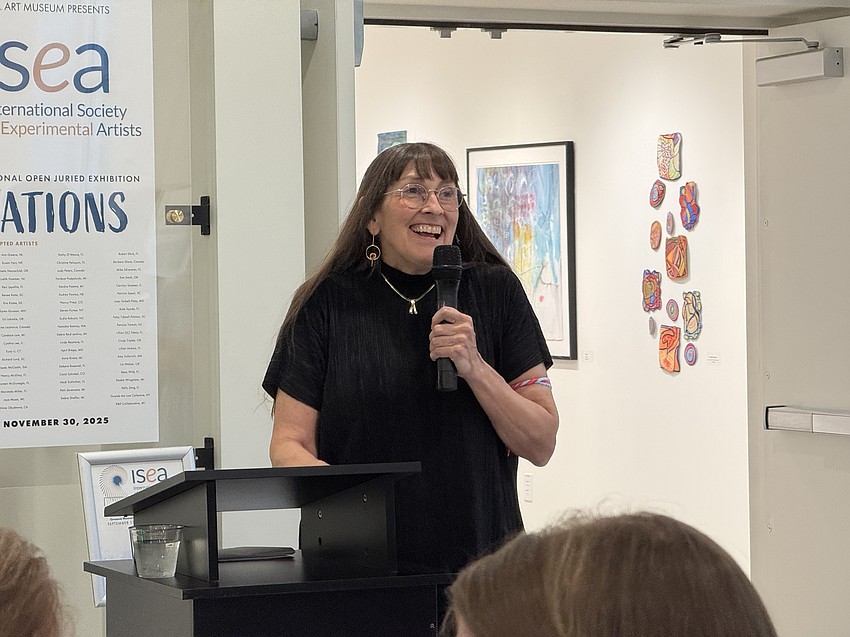
The endowment begins with a $50,000 seed fund, according to a press release, and has a long-term goal to reach $6 million by 2030. United Way reports the fund is projected to generate $250,000 a year to support Baby Steps.
“An endowment is a powerful tool for nonprofits,” said Courtney Edgcomb, president and CEO of CF/UWVFC, in the press release. “It sends a message of stability and vision, reassuring donors that Baby Steps is planning for the future. We’re proud to partner in building this resource and supporting an organization making such a critical difference in the lives of families.”
Florida is experiencing a shortage of OBGYNs that are currently practicing obstetrics, and Volusia and Flagler are not an exception.
When she started practicing in the area in 1992, Carbiener, an Ormond Beach resident, said there were about 30 OBGYNs east of the St. Johns River that practiced obstetrics. Now, that number is closer to 12.
While prenatal care is available at local hospitals, the clinics only accept patients with Medicaid or who can self-pay. Conversely, many OBGYNs in private practice who offer prenatal care don't take Medicaid, Carbiener said.
"So you have upwards of 40% to 50% of the women who are pregnant in our county, who cannot identify early prenatal care," she said.
These women are often waiting to receive Medicaid, which can take anywhere from weeks to months after they apply. Then, there are insured patients who recently moved into the community and may be turned down in private practice if they're in their second or third trimester because they're considered "high-risk," as well as undocumented immigrants who don't have access to Medicaid at all.
This, Carbiener said, results in a large population of women who can't receive prenatal care, and they often end up going to hospitals for delivery or during early pregnancy when complications arise. That translates to babies being born without adequate care that reduces risks such as preterm labor, diabetes and hypertension.
As a result, doctors are seeing more C-sections, more babies admitted in the NICU and more social services involvement.
Since the Volusia County Health Department shut down its prenatal care clinics in 2013, Carbiener and other OBGYNs have been searching for an alternative.
But about three years ago, DOH at in Daytona Beach was willing to offer space once again for prenatal care.
Carbiener partnered with AdventHealth, which pledged $250,000 a year to start the clinic, and this laid the foundation for what would become Baby Steps.
Earlier this year, one woman called 911 after recognizing she was experiencing symptoms of preeclampsia.
She had been educated on the complication two days earlier during her visit to the Baby Steps clinic, and because she noticed the signs early, she and her baby were both saved.
Baby Steps also helps expectant and new mothers who need services surrounding finding housing, mental health and substance use.
"We connect them to all the services that can make them successful moms and families and reduce the incidence of sheltering babies, basically dissolving families when our foster care system is so overburdened at the moment to begin with," Carbiener said.
When people find out about how big the need is for prenatal care, Carbiener has found that they are shocked. They're also, she said, willing to help.
The endowment with United Way means sustainability for Baby Steps.
When Carbiener planned the nonprofit's initial budget, it was dependent upon Medicaid dollars and state and federal support. But there is a push to reduce that and rely more on local support.
In addition to partnering with AdventHealth and Halifax Health, Baby Steps collaborates with organizations such as the Healthy Start Coalition of Flagler & Volusia Counties, Volusia Recovery Alliance and Halifax Urban Ministries. They also collaborate with Bethune-Cookman University and Daytona State College.
The important thing, she said, is that patients feel safe in their clinic.
"They're supposed to feel respected, safe and empowered to take the best care they can of themselves and their babies," Carbiener said.
Visit https://babystepsdaytona.com.