- March 17, 2026

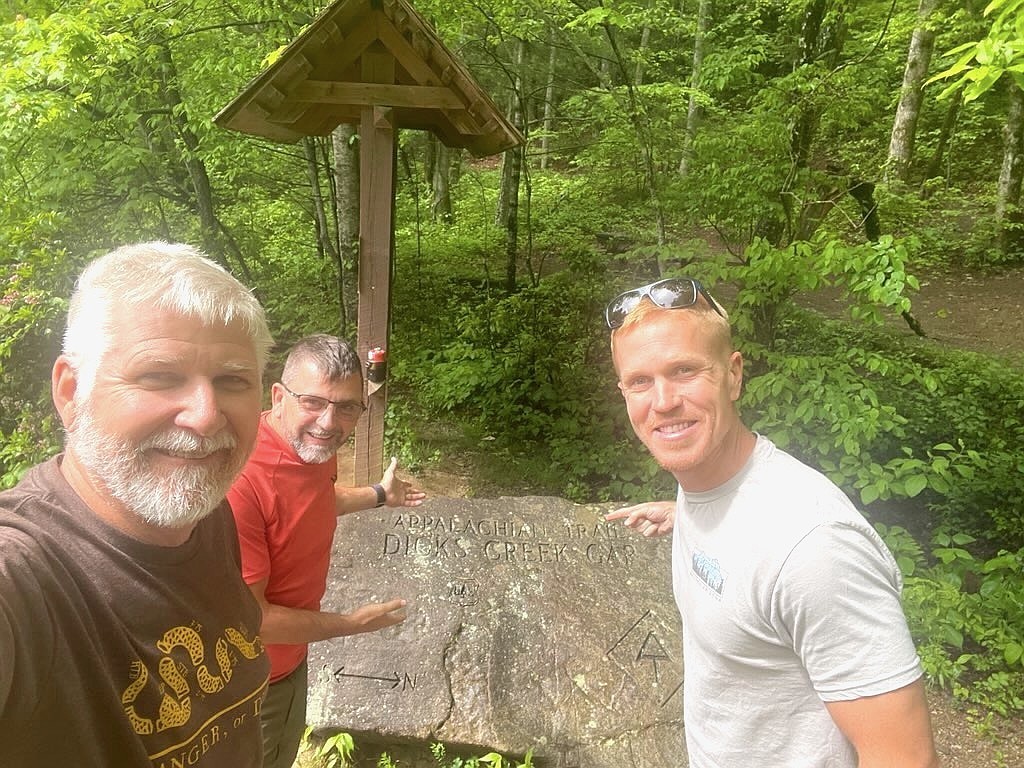
Ryan Andrews, drove up to Virginia to hike with Dave Freeman for five days. Andrews has done segment hikes with Freeman in years past. Read Freeman's Q+A here about his Appalachian Trail thru-hike. Andrews wrote this for the Observer.
The length of the Appalachian Trail is roughly 2,200 miles. It connects Georgia, North Carolina, Tennessee, Virginia, West Virginia, Maryland, Pennsylvania, New Jersey, New York, Connecticut, Massachusetts, Vermont, New Hampshire and Maine, often by a thin, 12-inch-wide, worn-out path of dirt and rock that flows through the wilderness and several towns.
Each year, several thousand individuals from all over the world attempt to thru-hike the trail in one stretch. Averaging 17-25 miles per day, depending on the terrain and your energy, this trek takes an average hiker anywhere from 100 to 150 days or more to complete.
The terrain changes dramatically over the 2,200 miles, with anywhere from 1,000 to 5,000 feet of elevation change and a slope grade in some areas up to 750 feet per mile. Some areas will have hikers stepping up rocks that are over 15-20 inches tall for close to a half-mile climb, only to be met with a descent, resulting in stepping down 15-20 inch rocks for what feels like hours on your sore knees that have been supporting your 30-pound backpack and malnourished body. When you summit or reach the top of your climbs, on fair weather days you can see some of the most picturesque views our nation has to offer.
While on the trail, hikers can expect to need to carry enough food and water for several days at a time. Thru-hikers opt for ultralight equipment and minimal supplies to reduce the weight they need to carry for such long distances. The average recommended full pack weight is less than 30 pounds. Most carry water purification filters and create their own drinking water from small, beautiful bubbling creeks, ponds, waterfalls, or even murky puddles. Each liter of water weighs just over 2 pounds. On some stretches of the trail, water is scarce, forcing individuals to carry 3-4 liters at a time, taking up 8 pounds of their pack weight.
Food options are mostly high-calorie, high-sodium, and dehydrated options to minimize weight and replenish basic energy. Some hikers prefer a quick honey bun or tiny powered donuts for breakfast that may give close to 1,000 calories! A tortilla with tuna or chicken packets for lunch, and maybe ramen noodles with peanut butter and soy sauce for dinner. Others purchase and enjoy pre-packaged hiker meals as fancy as General Tso’s chicken or chicken fajita enchilada by just adding warm water.
Throughout the towns along the trail there are certain individuals who are called “trail angels.” They are supporters and enthusiasts who may place “trail magic” snacks, beverages or supplies at some trailheads or parking lots. As a hiker, stumbling on this unexpected treat of fresh fruit or a root beer is nothing short of magical and really can lift your spirits enough to go on another few miles.
When hikers do need to resupply, a trip to town means they will certainly take the opportunity to get a hot, greasy burger or cooked meal from a restaurant and definitely get a cold beverage of some kind and not think about the pond water in their bag.
Hygiene is an important part of day-to-day life on the trail. Keeping your hands clean is crucial to ensure you don’t get the stomach bug or other issues. However, the stench is real. Hiker stench is a smell that can only be compared to the smell of wet, old running shoes that you retired to the garage as lawn mowing shoes, which you only wear barefoot.
But your entire body and each article of clothing smells like this until your next soapless rinse in the next creek or a fortunate shower and laundry at a hostel or hotel. If you’re lucky enough to stop for the night at an establishment, they may loan you some clothes while you do your laundry. Sometimes the outfits are fit for a costume party. You may even need to wear the loaners into town!
The solitude hikers experience can be a blessing or a frustration depending on the day and the emotions of the hiker. An average day hike can take about 6-7 hours of straight walking/climbing. Most hikers average about a 3-mile-per-hour pace.
As you walk, the silence gets you thinking about all the things you’re missing and people you haven’t seen in days or months. With no one else to converse with for 7 hours at a time, you naturally start to want some camaraderie, so the next person you come across, you desperately try to strike up a quick conversation, usually about where they are from or where they are going, and then you move on.
The daily routine is so monotonous it can cause you to forget what day of the week it is. On repeat, you wake early in the morning, have a coffee or water, maybe with some electrolyte powder in it. A quick simple meal. Tear down your site, pack your bag and tent (if you use one), and head out on the next day's hike. Usually stopping after about an hour or two for a water refill and snack, then carry on until you get tired and need a quick break and another snack. Then hike until you get to your destination. Quickly set up camp or tent. Hopefully, your night's location has a water source so you can filter and refill, then cook a quick dinner and go to sleep. Usually before the sun is even down because you are so exhausted. Then you get a restless night's sleep because of uneven ground beneath you, squeaky mats and tent fabric, noises of nature, or a whiff of hiker stench because your socks and shoes are somewhere nearby.
The weather is tricky on the trail. The typical season for North Bound AT hikers is from March to August. Starting in Georgia when it's still cold and finishing in Maine when it’s hot. Hikers can expect to experience cold, snow, rain, wind, heat, humidity and the bugs that come with it. When it rains, you simply suck it up. No rain coat will keep you and your stuff dry enough to be worthwhile because your sweat on the inside of the jacket is as wet as the rain on the outside..
The above synopsis of the experiences a hiker may go through encapsulates some of the most off-putting components of the excursion and are what deter many from even considering this adventure. There are less than 25% of hikers who have attempted to accomplish this feat that actually succeed. To do this, you need grit, determination, resilience, stamina, motivation, a bit of good fortune and a loving family and friends.
But once you succeed as a North Bound hiker and summit Mt. Katahdin, Maine, and look south, you will see the vast distance that you just journeyed through. That is, if the sky cooperates and it’s not foggy or cloudy. It is then that you join a fraternal order of very few people who can say they thru-hiked the AT!
Flagler County’s Dave Freeman (Flagler Schoools' operations chief) embarked on this extraordinary journey the week of March 17th. Dave made the courageous decision to step away from his everyday life – his beloved family, his loyal dog, his familiar town and his career – to undertake an epic adventure: walking for days on end.
This remarkable trek culminated on Aug. 22, 2025. A mere five months and a few days after he began. On this historic date, Dave Freeman officially etched his name into the history books of those who have successfully walked the arduous distance from Georgia to Maine. This monumental feat of endurance and determination is a testament to the human spirit's capacity for challenge and achievement.
Please join me in extending our warmest congratulations to Dave on this truly awe-inspiring accomplishment. His journey serves as an inspiration to us all, demonstrating that with courage and resolve, seemingly insurmountable goals can be achieved. We welcome him back home to Flagler County, where his incredible story will undoubtedly be shared and celebrated for years to come.