- March 18, 2026

After reviewing many shades of revisions, the Palm Coast City Council has finally approved its new house color regulations.
The new ordinance removes the restrictions of a Light Reflective Value scale for single-family residential homes and keeps a small list of prohibited colors: fluorescent colors and any shade of purple, fuchsia, magenta and orange. The changes only apply to single-family residential homes; multi-family homes and nonresidential buildings must still use the LRV scale and the restrictions within the city’s code.
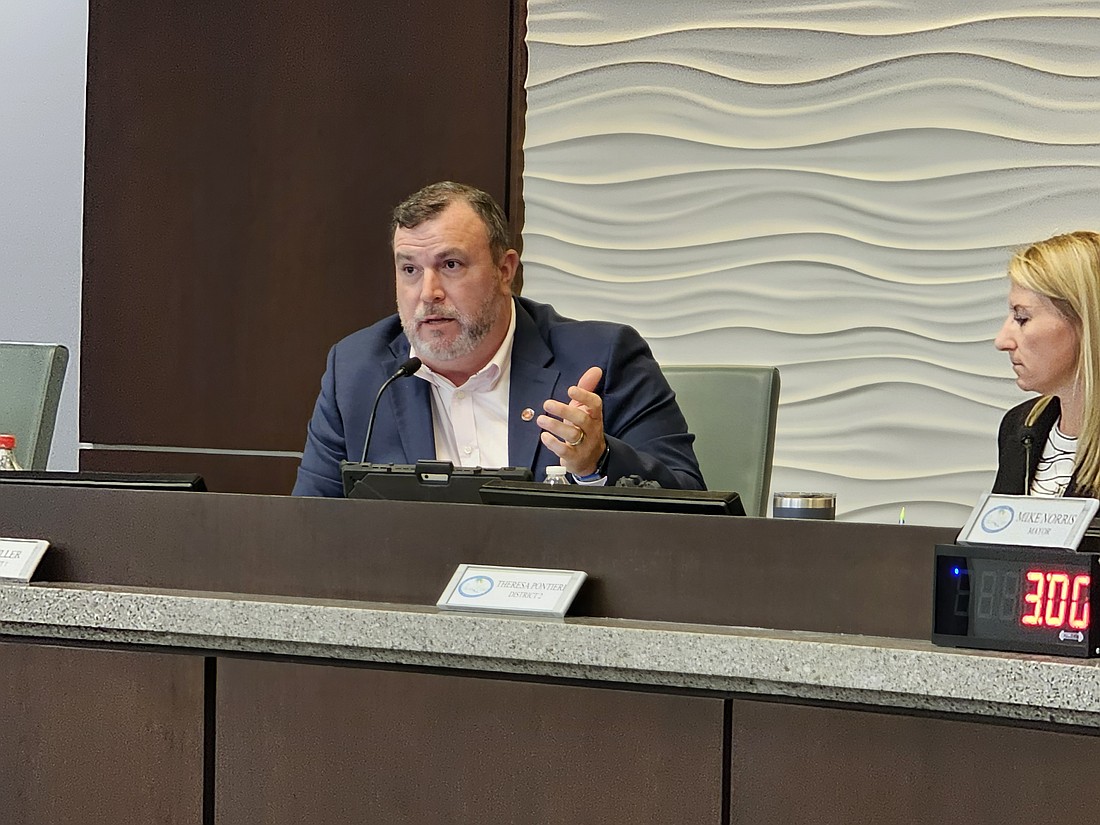
The council voted 4-1 to approve the new regulations, with Vice Mayor Theresa Carli Pontieri dissenting, at the Sept. 2 meeting. The issue was quickly voted on, with no additional discussion by the council.
“This is only three years in the making,” Mayor Mike Norris said.
The council has been reviewing different versions of an amended house color ordinance since early 2024.
Pontieri, who voted against the ordinance on Aug. 19 as well, had said in the past that she would like to see it on a referendum instead. The issue is divisive, with some people wanting no restrictions and others wanting to keep the restrictions on house colors in place. Pontieri said on July 15 that she felt some restrictions would balance the rights of both sides.
"Reasonable regulation is in place for a reason," Pontieri said at the July 15 meeting.
The Palm Coast City Council selected two new appointees to fill vacancies on the Bicycle/Pedestrian Advisory Committee and the Citizen Advisory Committee.
The positions were filled by vote by the council members at the Sept. 2 meeting. Councilman Ty Miller, who represents Palm Coast on the Volusia-Flagler Transportation Planning Organization that oversees these committees, thanked everyone who applied.
He said one of the reasons the seats were open was because the appointees had not attended the meetings In recent months.
“I just want to ensure those applying understand the importance of showing up,” Miller said.”I feel like there’s never really an excuse except for when you’re in an emergency situation to not attend.”
For the BPAC, David Lybarger was selected as the primary to fill that open seat and Anthony Del Valle was selected as the alternate if Lybarger is absent. Lybarger is a business owner and Del Valle a corporate security manager, according to their applications. They were the only two applicants.
The BPAC is responsible for reviewing plans, policies and procedures related to bicycle and pedestrian issues with the TPO. The committee also annually ranks bicycle and pedestrian priority project applications during the TPO’s Call for Projects.
The Citizen Advisory Committee had one seat available and one alternate seat available and four applicants. Del Valle was selected as the primary for the CAC and Mark Woods, a business owner, was selected as the alternate.
The CAC provides citizen input and recommendations to the TPO Board on transportation planning and programming.