- March 17, 2026

When people hear about history in Florida, most of the time it’s places like St. Augustine that come to mind. Although they would be justified, it was one of the first places settled in North America after all, not many would think of our own back yard, Flagler County, and definitely not where Palm Coast is now.
But, what if I told you that we can document Timucuan activities across the county, that when you drive on Old Kings Road, that you are traveling on a roadway that dates back before the American Revolution, a sawmill that supplied both St. Augustine and the British Navy was in our northern part, Palm Coast was not the first “city” on the land it calls its borders, cattle once roamed along Palm Coast Parkway and you can shop for groceries where one of the largest plantations once stood?
And that’s just a small piece of our story. It wasn’t barren land and woods before the subdivisions and golf courses popped up in the late 1960s. It was much more than that, going back to 1768 when the first major trade route made its way down through the middle of our bustling city.
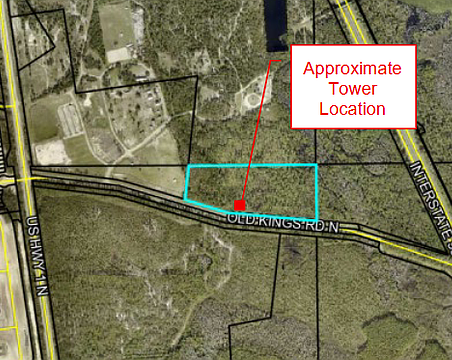
To give you an idea, let’s start with Old Kings Road. It’s old all right, 18th century old. As the British took over Florida in 1763, it divided it into two separate colonies, 14th (East) and 15th (West). St. Augustine was made the capital of East Florida because some infrastructure was already there.
But a trade route was needed with Georgia. So, a roadway was built connecting Colraine, Georgia, to St. Augustine. When Dr. Turnbull set up the Smyrna Colony (New Smyrna Beach now), the roadway was extended south to it. It was officially named Kings Road in honor of King George III.
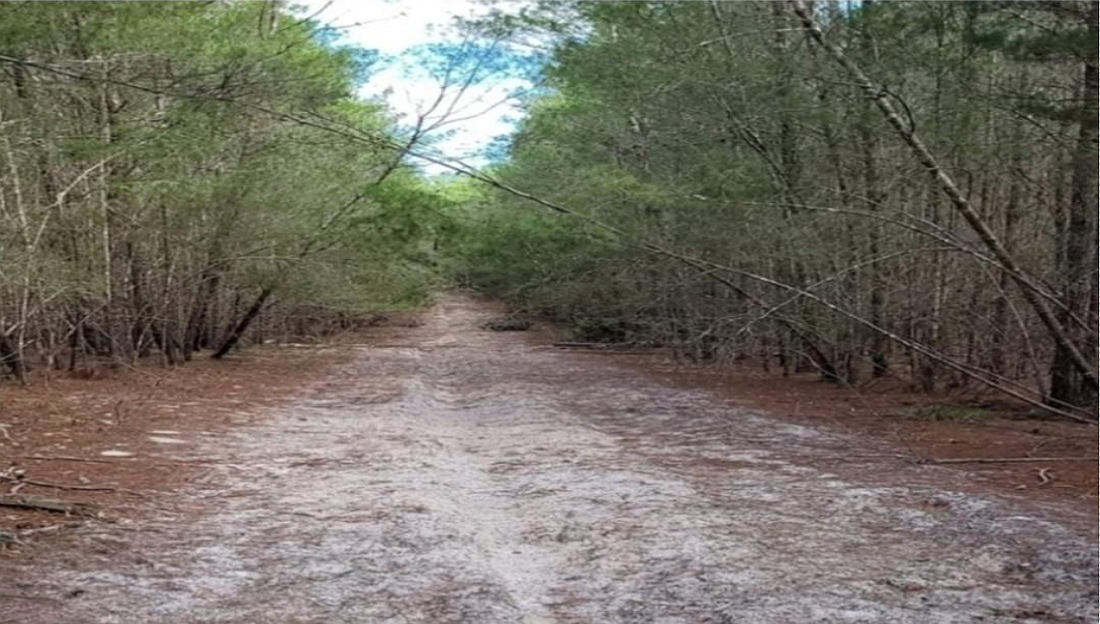
That’s the bare basics of it. Parts of what we drive on follow that original path. But deep in the woods, we have a section that is exactly on the footprint and looks like it did over 250 years ago — dirt and trees. Kings Road was considered one of the first “highways" in Florida, kind of the I-95 of its day. And we are still using it today .
I don’t know how many people know about our past, or how many people would want to know more. But, if you do, let the Observer know. I would love to share the stories of the history and culture of our area before it became what we see today. A good bit of it has disappeared, and some of it might be part of where your house sits!