- March 17, 2026

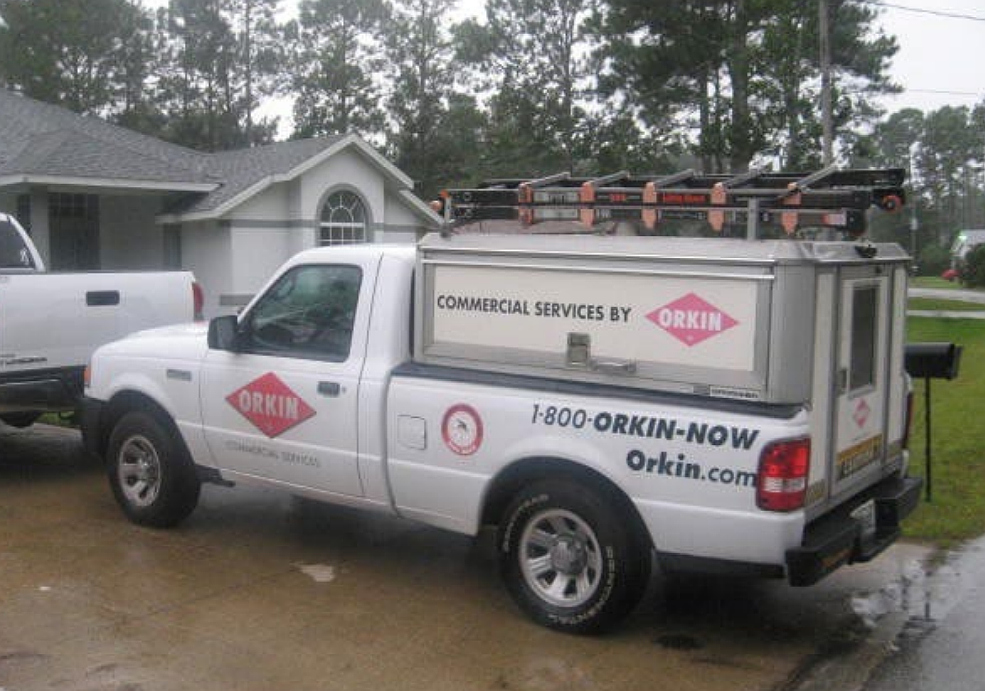
The Palm Coast Council has taken another step in making its city ordinances more small-business friendly by allowing work trucks to park overnight at residences.
After a 3-2 vote at its Nov. 17 meeting, the city will now allow one work vehicle per residence to park in their own driveway, with some restrictions on the size and type of the vehicle. Previously, the city banned non-passenger vehicles and those with company branding from parking in a residential driveway overnight.
Councilman Ty Miller said the change is supporting the city’s trade and skill workers as well as the local economy.
“I think it's an undue burden to have to take your work truck to a parking lot behind a storage unit,” Miller said. “Everybody says, ‘we don't need more storage units,’ but that's the reason there are so many storage units: because people have to park their vehicles there, and it's not cheap.”
The new ordinance removes advertising restrictions and the carrying-capacity restriction of more than one ton. Some attachments will be allowed onto the roof of the vehicle, while tools and attachments are required to be kept in a “safe, neat, clean and well-kept manner.”
Vice Mayor Theresa Carli Pontieri and Mayor Mike Norris agreed. Norris said the ban on work vehicles “burdened” small business owners.
“They don't have to spend that $300 to park their work van in CubeSmart,” he said. “That's helping out the little guy.”
Hazardous or offensive materials or materials with a bad odor can not be stored on the vehicles at the residences, per the ordinance. Duplexes with a shared driveway will count as two separate residences.
The ordinance will still prohibit swale parking, trailer parking and vehicles larger than 10 feet high and 18 feet long. It also limits the allowed work vehicles to those that are less than 26,000 pounds.
After six months, the council will check in with code enforcement to see how many violations have occurred and if the policy needs to be revised.
Councilmen Dave Sullivan and Charles Gambaro voted against the initiative, just as they did at the first reading in October.
“This is a slippery slope if there ever was one,” Sullivan said.
Gambaro said the ordinance also represented an inconsistency with the board’s policy making. Referencing the city’s backyard chicken ordinance, he said the city had previously used a pilot program to see how it went, instead of passing the item without the data.
Though the backyard chicken ordinance did receive that pilot program, this ordinance is not the first time the city has changed a policy without a pilot program. Most recently, that includes the city’s change to allowable house color paints.
Sullivan did point out the situation was different as the city will not require a permit for this, like it does for the backyard chickens.