- March 18, 2026
A major issue in Palm Coast’s economic development plans is a lack of pad-ready building sites, according to Palm Coast’s Craig McKinney.
“The name of the game is sites and buildings,” McKinney said. “We’re in a hot bed of activity but we don’t have the inventory.”
McKinney is the city’s economic development manager. In a presentation to the Palm Coast City Council on May 27, McKinney said the city has had 15 leads since Jan. 1 where the average ask for a ready-to-go site is 145,000 square feet. Each lead would have created an average of 160 jobs, he said.
The BJ’s Wholesale Club on State Road 100 is around 150,000 square feet in size, Chief of Staff Jason DeLorenzo said as a comparison. Palm Coast’s largest site that is ready-to-go, McKinney said, is just 11,000 square feet.
The City Council has been looking for ways to incentivise business to come to Palm Coast for years. But companies are really looking for product availability and getting to market quickly, McKinney said.
“More important than the incentives…is that we need product to incentivize,” McKinney told the council.
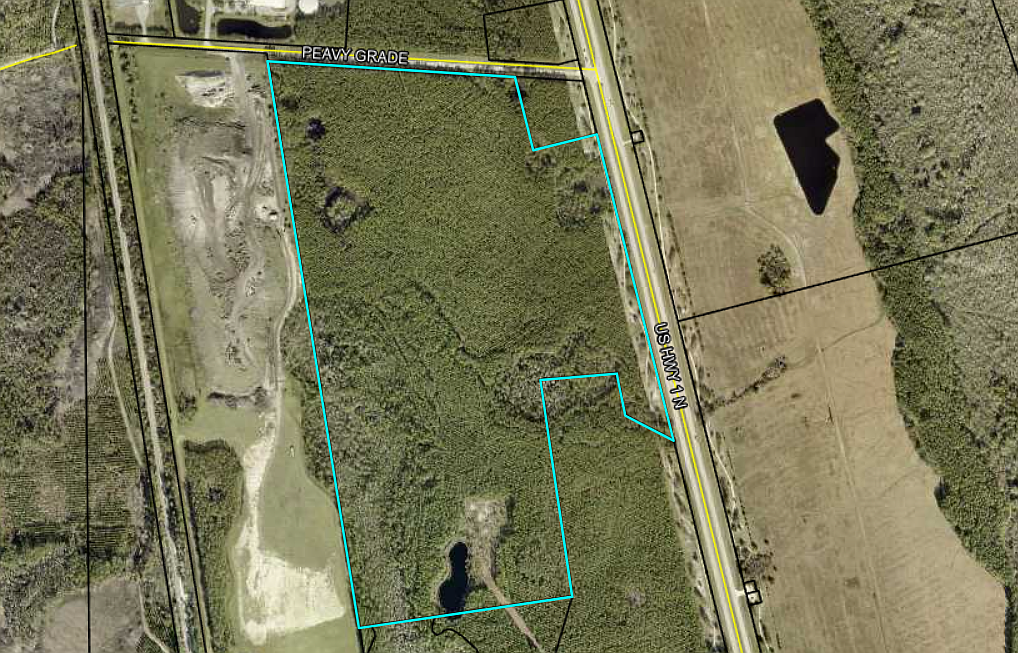
A tract of 103-acres on the northwest end of Palm Coast may provide a solution to the lack of the city’s inventory, but it would cost Palm Coast some up-front capital investment.
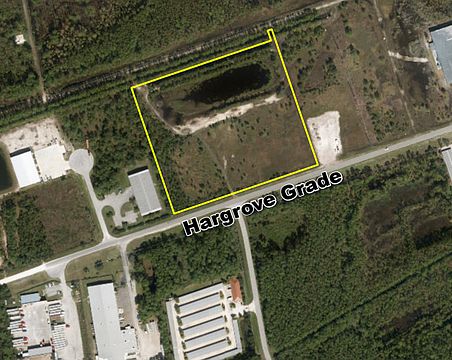
Tract 17 is city-owned land located on Highway U.S. 1 near Peavy Grade. It was originally purchased from the Palm Coast Park DRI to build a park on in 2021. In 2024, the council amended the Palm Coast Park DRI to allow industrial uses on Tract 17.
Being located near a water and wastewater facility and across from an Florida Power & Light substation makes the site ideal for businesses, McKinney said. But because the land was purchased with the intention of building a park, the city does not have the building entitlements to build on it.
Palm Coast would need to purchase the entitlements from Palm Coast Park DRI, which would cost between $3-4 million. If the city gets those entitlements, it would then cost Palm Coast another $6 million to $16 million in sitework to prepare the tract, depending on how many buildings the city wanted to prep the site for.
“We have a kind of fork in the road,” DeLorenzo said. Purchasing the entitlements would be expensive, he said, but it would also remove barriers to making the city more successful in drawing interest.
The council agreed that Tract 17 was an ideal solution.
“I think the priority, for me, would be to develop this out to have buildings and pads or whatever we need to invest business,” council member Charles Gambaro said.
Vice Mayor Theresa Carli Pontieri asked if there was merit in getting the entitlements and then selling the land without sitework. There is, McKinney said, but that would work best if the land were marketed for a longer time period, around nine months.
DeLorenzo instead suggested the council send out a request for proposal to see what the interest would be.
“Let’s see how many bites we get,” DeLorenzo said. “Let’s understand where we are. Are we even marketable?”
Alongside the RFP for Tract 17 and as staff begins negotiations into the entitlements, the council is also looking to increase the funding available for economic development incentive programs.
McKinney said Florida is great for manufacturing investment. The more the city can do in investing in quality sites and buildings, marketing and workforce development, Palm Coast will be setting itself up for success.
“I can tell you if we don’t invest in economic development, we are going to fall behind,” McKinney said. “If we decide to invest in economic development, we can look to be an overnight success in about 10 years.”
Palm Coast’s annual budget for economic development is $647,000, 1% of the city’s general fund. Most mid-size cities invest between 2-4% in economic development, McKinney said.
Pontieri said she’d also like to review the economic development budget, potentially increasing it in order to be competitive. Including funds left over from the current economic development budget, the council members said they’d like to see it at 3%.
“If we're going to make a bold statement towards actually doing something about economic development. It's my opinion that we need to increase this 1% to 3% and get a little aggressive on incentives,” Pontieri said.
Council member Ty Miller pointed out that the current budget of the economic development is the highest the city’s ever dedicated to economic development, but it’s still below the average most communities contribute.
“We’ve been talking about this for like eight years now,” Miller said. “Let’s fix it.”