- March 18, 2026

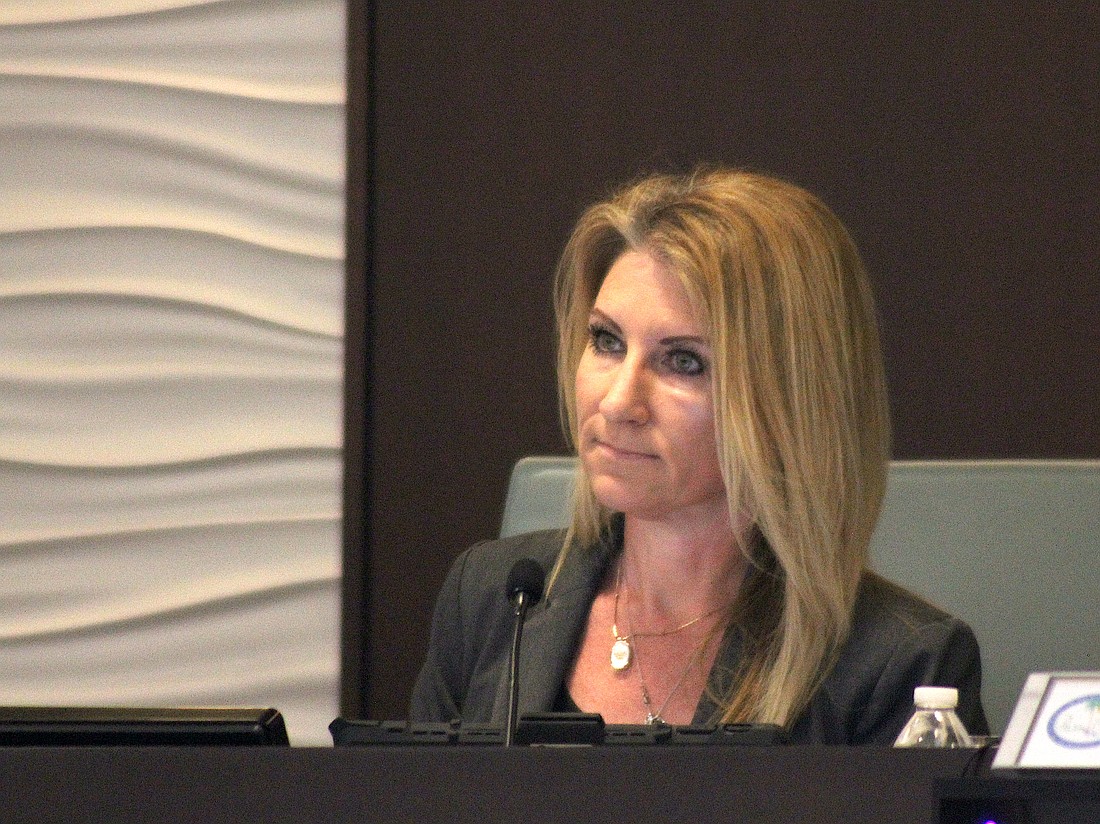
Taxable property value in Palm Coast is up by over 9%. Of that, 5% is attributable to new construction, Financial Services Director Helena Alves said.
The June 1 initial assessment of Flagler County’s assessed, non-exempt property values sets the stage for budget discussions in Palm Coast for 2026. The 9.29% increase in taxable property value is an increase from $9.9 billion to $10.9 billion. Based on that value, if the city keeps the same millage rate from fiscal year 2025 of 4.1893, that would generate approximately $43.8 million in ad valorem revenue for the city’s budget, Alves said. That is a $3.7 million increase from fiscal year 2025.
The final values and projected revenues for the budget will be available after July 1.
Vice Mayor Theresa said she would like to see what the budget would look like with a tenth of a mill rollback.
“I’m not saying that we can’t entertain a full rollback, but I’m saying that at the very least, we’re looking to set the max millage rate. The max I would like to see is a tenth rollback,” she said. “We can always go lower.”
Compared to other cities in Florida with a population between 95,000-120,000, Palm Coast has the second lowest millage rate, Alves said. Of its neighboring cities, Palm Coast’s millage rate is lower than Flagler Beach’s 5.450, Daytona Beach’s 5.930, Port Orange’s 4.975 and Bunnell’s 7.930.
Flagler County has a millage rate of 7.9945 and Ormond Beach, which has a population of 45,140, has a millage rate of 4.0960.
“In comparison to our neighboring communities, Palm Coast does have the third lowest millage rate with one of the highest populations,” Alves said.
Once the maximum millage rate is adopted — which will happen at the July 15 meeting — the council can only change the millage rate by going lower, per state statute. The final millage rate and the budget for fiscal year 2026 will be adopted on Sept. 10 and 24.
Palm Coast’s budget for fiscal year 2025 was $451 million, with a general fund of $61 million. If the council adopts a rollback of any sort, it will be the third budget in a row that the city has adopted a lower millage rate than the previous year’s budget.