- March 18, 2026

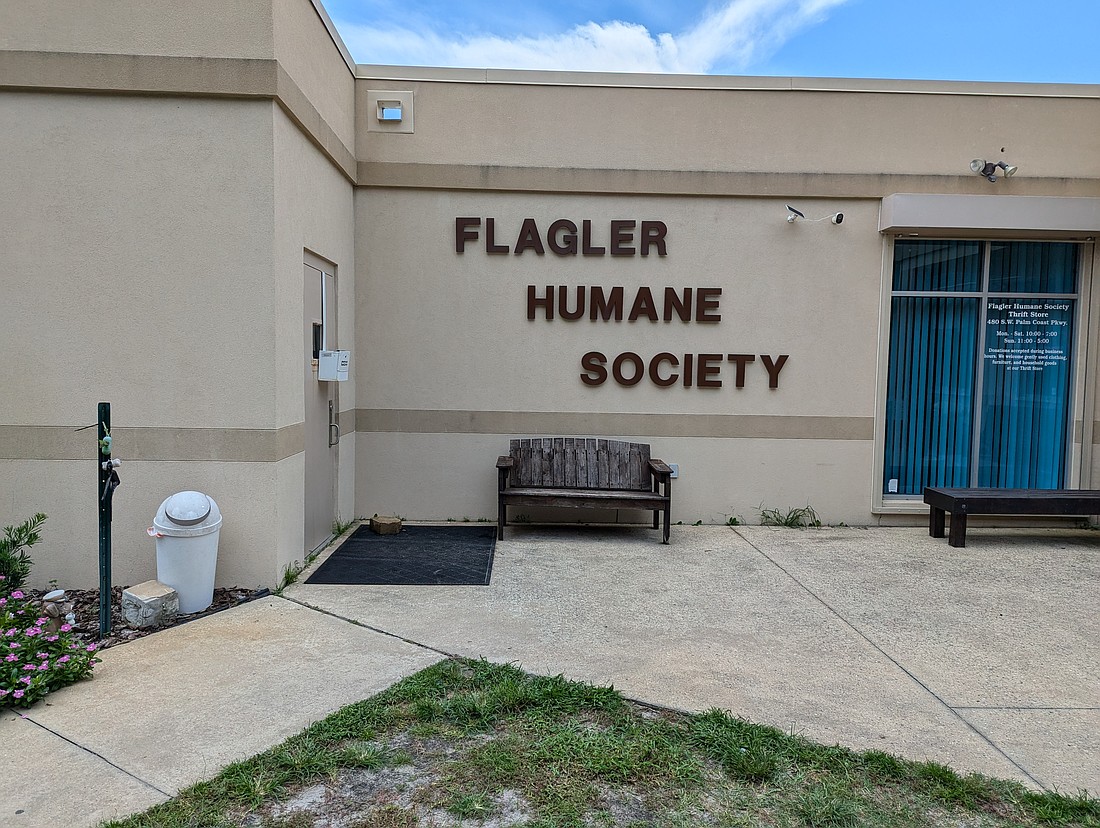
The Flagler County Commission wants to move forward with having the county take over animal control, but with questions lingering concerning renewing a contract with the Flagler Humane Society and how quickly staff could launch its own animal control service, a new animal shelter is deemed a future project.
"It's not something that's going to happen next year," Commissioner Greg Hansen said during a workshop on Monday, June 23. "But if it's on the list, at least every year we can look at it."
A one-year contract renewal for animal control and sheltering services with the Flagler Humane Society would cost the county $320,599, which includes a 7% increase on services. It would renew on Oct. 1.
Concerns with continuing the contract include the frequency of background checks on animal control officers and volunteers, as well as having county representation on the FHS Board, whether that be a county employee or an elected official. County Administrator Heidi Petito said FHS was concerned that having an elected official on their board would jeopardize the shelter's nonprofit status; county staff disagreed with this position.
To add representation, FHS instead proposed a commissioner or county staff member meet monthly with the board as a county liaison to go over financial and intake reports, as well as address any issues that arise.
Commissioner Kim Carney said she didn't understand the Humane Society's concern — she serves on the board for the Early Learning Coalition, a nonprofit, and signed confidentiality statements.
"I hate to say it, but if they're not disclosing what and how they operate, then they're not fulfilling the obligations of being a 501c3," Carney said.
Not being allowed to have county representation during the FHS board meetings concerns Pennington.
"We are all members of nonprofits," she said. We serve on nonprofit boards. We attend their meetings. We're not briefed afterwards about what occurred."
Contracting Palm Coast for animal control services, for domesticated animals only, would be more expensive, as the service would cost $392,660 and the county would need to find another provider for non-domestic animals, as well as shelter services and a spay and neuter program.
This factors in the cost for Palm Coast to hire two animal control officers and one administrative staff person, as well as some of the startup costs.
Bringing the program in-house would cost $456,339, according to the county. Like with Palm Coast, that would include the addition of two animal control officers, an administrative staff person — only these would be county employees — and the county would still need a provider for animal shelter services and the spay and neuter program.
"There are some concerns with us taking it on because it will involved some significant operational and financial, legal responsibilities," Petito said. "This is not something we currently do, so it would probably take a little bit of time to get it set up, but we would be assuming full control over the staffing, the enforcement, community engagement."
The county would also have high upfront costs for insurance, software, vehicles, equipment, as well as bear the full liability for any incidents.
Before making a decision, commissioners want to know how much the contract with Palm Coast could be in its second year, without the initial startup costs, which includes equipment and vehicles too.
"It's hard to make a decision on the city of Palm Coast number without knowing what year two estimated would actually be," Pennington said. "It could be a drastic swing once they get up and running with a fleet in place."
Pennington also wanted to know how long the county would need to get an animal control program up an running.
"Do we need to contract out another year so that you can build out that program?" she asked. "That's my concern."
Commissioner Kim Carney wanted to table the discussion, citing a need for more data and a desire to look at the issue during the budget process.
During public comment, Palm Coast resident Cathy Saris said tabling a decision was not the right decision.
"You need to move on with it," she said. "There's local rescues in the area that they don't have any buildings, any brick and mortar, but they're reaching out to residents to foster and now those fosters are full."
Caroline Johnson, founder of local animal rescue SMART of Flagler County, said her organization has taken in 12 dogs who were dumped in one area alone in the last six to seven weeks. They have no place to house animals and many fosters have two to three dogs. She offered help to fundraise for a new shelter.
"We find a way for every other project," she said. "We need to find a way for the animals as well."
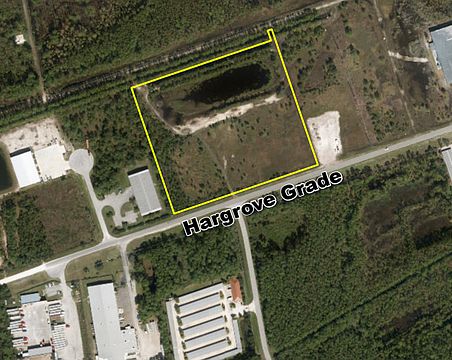
During her presentation, Petito shared an estimate of $3.78 million for the county to construct its own animal shelter. This estimate was based on the construction and site work on a 5-acre property, but didn't account for land costs. The shelter would be composed of four buildings and hold up to 100 dogs. Each kennel building would house about 24 dogs.
Pennington said the workshop was a good time to gather consensus on the building to place it on the county's capital improvements project list. It could be a project the county works toward, and asks for a nonprofit to operate, or seeks legislative funding for, she said.
"I don't know if that's something anybody wants to entertain right now in terms of discussion for the building," she said. "... I just think maybe we do recognize that there is a shortage of space in a growing county, so somebody has to keep an eye out on that."
Carney asked why the shelter would need to house 100 dogs from the start.
"Can't we start with 24 dogs?" she asked. "Why exploit this to the highest level and not come somewhere in the medium, because I don't think we ever said that we were going to house every dog that's going to be dropped off in Flagler County."
Petito said that's why the concept placed before them also broke it down to cost per building — each kennel building is estimated at $405,000.
Carney acknowledged that the county is growing, but that the proposed shelter building is "about three times bigger" than what she had envisioned.
Who will operate the animal shelter is still up for debate. Pennington suggested that it could be a second site for the Flagler Humane Society.
"Those are future talks," she said.
If the county is serious about an animal shelter, Hansen said, then they should start saving up for it. Having funds set aside would also help the county with any future legislative asks.
"I'm not sure what the stomach is up in Tallahassee for doing that, but we have to show that we got a little money in the game," he said.
Carney said it would "be great" to do business with Palm Coast, but that she didn't see that as a long term solution — for animal control or a new shelter.
"I think Palm Coast is OK with what's going on, I don't know, but we've got to take the lead on this," she said. "And just for the record, none of this is statutorily required of us. We're doing this because we want to."
The commission will make a decision on animal control services at its July 2 meeting, pending further data.