- March 18, 2026

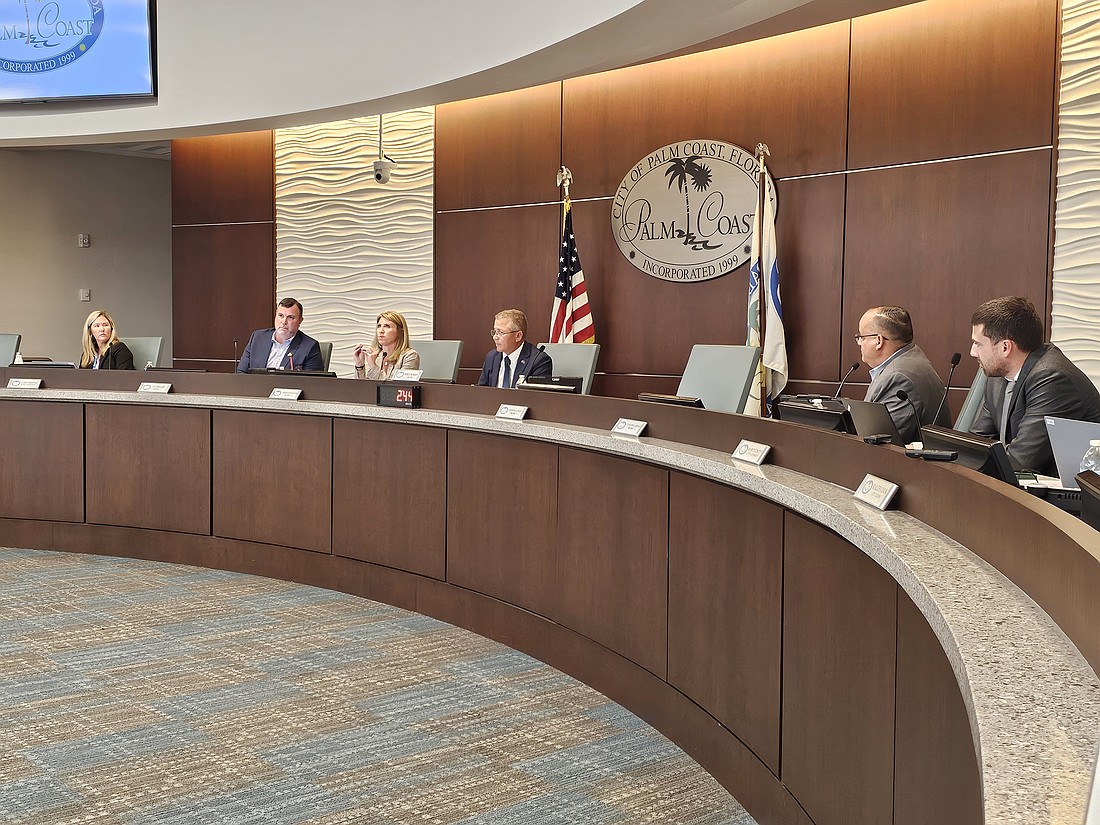
The Palm Coast City Council could retain its 2025 millage rate as the maximum rate in order to free up funding for city initiatives.
City staff presented on July 8 a general fund budget based on a reduced millage rate of 4.0893, reducing the budget by $1 million over the 2025 fiscal year adopted budget. That millage rate would generate $43.7 million in property taxes, with an overall budget of $69 million.
But placing the budget cap at the current millage rate – 4.1893 – could free up that $1 million difference for funding as the city moves forward with two of its priorities: purchasing land for a new animal shelter and purchasing the building entitlements for a city-owned parcel known as Tract 17. The reduced budget does not allocate funding for either initiative.
The council is working with Flagler County to potentially create an in-house animal control and shelter. Palm Coast currently has its own animal control service, but no shelter and works with the Flagler Humane Society for the animals its officers pick up. Flagler County contracts its animal control services entirely with the Flagler Humane Society.
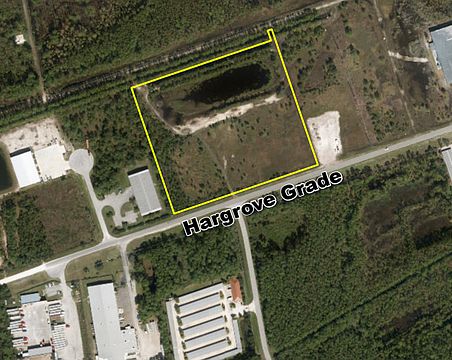
While the city and county will discuss its options in a joint meeting in August, the Palm Coast City Council was also looking to set aside funding to purchase building entitlements on Tract 17 in an effort to prioritize economic development in the city. Tract 17 is ideal for building pad-ready sites that could draw more businesses to the area, diversifying the tax base and relieving homeowners of some of the tax burden.
While the reduced budget did include a 3% increase for its economic incentives, it does not include funding to purchase those entitlements, which could cost between $3-4 million.
Council member Charles Gambaro suggested the council set the maximum millage rate for 2026 at the current rate of 4.1893 and set the $1 million aside for these projects.
“We’re being responsible with our millage rate but it’s a decision point on the maximum millage rate,” he said. “We still have some other priorities that fit in within our strategic action plan, things that we still need to get done.”
Vice Mayor Theresa Carli Pontieri said that while she would support the consensus to see the budget based on the 4.1893 millage rate as a maximum millage at the next meeting, but she personally would not vote for any maximum above millage rate above 4.0893.
The council, she argued, has no “concrete plan” yet for moving forward with either the animal shelter or the entitlements.
“It’s my opinion,” she said, “that in the good that in the good years – and this is a good year, last year was a good year [because] we’re bringing in money – that the property tax rate should get as low as we can get it without sacrificing level of service and quality of life.”
Both Council members Dave Sullivan and Ty Miller also supported the reduced millage rate, as the council did not have a solid plan. However, Miller said, he would support capping the millage at 4.1893 and then having the discussion again later on in the budgeting process.
“We have the leeway to remove it, and that way we know, the residents know, we’re not raising the tax rate at all,” Miller said. “That’s the max it can be, which is the same tax rate as last year.”
The council will vote on the maximum millage rate at its July 15 meeting, but the final millage rate is not adopted until the end of the budgeting process in September, giving the council two months to get additional information on both the entitlements and the animal shelter situation.