- March 19, 2026

Editor's note: This story was updated at 12:10 p.m. Friday, Feb. 7, to correct the headline. A previous version of this story stated municipalities were asked to help fund beach nourishment in the unincorporated barrier island; the county seeks collaboration for the entire coastline.
Beach renourishment is a countywide effort, said Andy Dance, chair of the Flagler County Board of County Commissioners, at a joint workshop meeting on Wednesday, Feb. 4.
"From Bunnell, Flagler Beach, Beverly Beach, Palm Coast — all of us together need to make this beach nourishment work," Dance said.
The question is, how will they all come together to fund it? A resident beach tax? User fees?
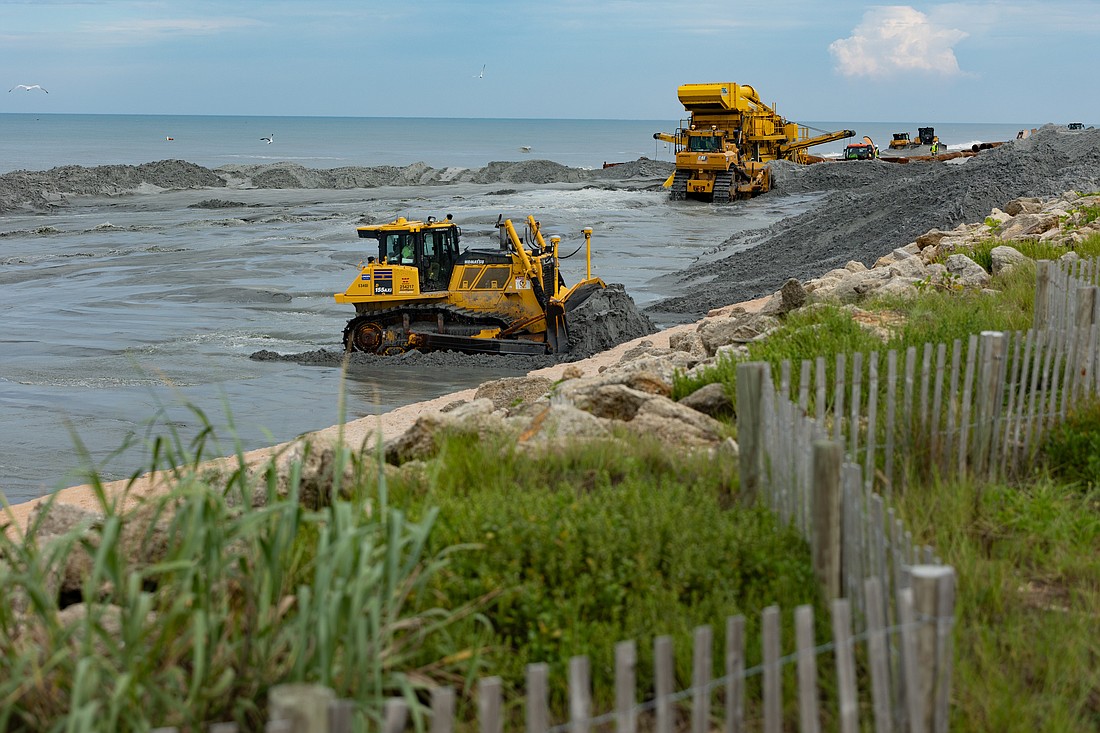
Last December, the Flagler County commission approved a resolution that would pave the way for a new property assessment tax for residents of unincorporated areas on the barrier island of Flagler County. The tax is a funding option for the county's beach management plan, and was proposed as a solution last summer.
In addition to the beach tax, the beach management plan would be funded through the county's tourist development tax, its half-cent sales tax, state and local appropriations and grants, as well as ad valorem taxes.
At the workshop — which was also attended by officials of Flagler Beach, Palm Coast, Bunnell, Beverly Beach and the town of Marineland — County Commissioner Greg Hansen said Hurricane Matthew was the "eye opener" for the county in terms of beach renourishment. Prior to the 2016 hurricane, the county had experienced gradual erosion, but it was "nothing alarming," he said.
Looking back at previous studies, the county discovered it had lost 70 feet of beach in the years prior to and after Matthew combined. It was then Flagler County, which didn't have a beach management plan, started working on one, but funding was a key hurdle. The engineering firm the county hired to help with the plan, Hansen said, advised them to find their own source of funding.
"They kept saying, 'You're not going to be in the game unless you got something to put in the game,'" Hansen said. "Unless you've got funding, you can't rely on FEMA and the federal government and the state government to fund your beach renewal every year."
The county has a plan, and proposals on how to fund it, Hansen said. But it needs help from the municipalities.
"If we have to do it ourselves, we'll do it," he said. "But that's not fair."
The unincorporated area of the barrier island spans south of Marineland down to Painter's Hill, and includes the area of Hammock Dunes.
Flagler Beach City Commissioner James Sherman said his city wants to ensure this doesn't become a burden of only the residents of the coastal communities. Of the beachgoers that frequent Flagler Beach, Sherman said data records show 72% are Palm Coast residents.
"We do want to be a part of this, but also we want to make sure everybody is paying their fair share into this," Sherman said.
But not all of the municipalities, including those on the coast, were on board with pitching in to fund beach renourishment.
Beverly Beach Mayor Stephen Emmett said "taxes do not cut it."
"You will never control nature," he said. "Man cannot control it. The best you can do is try to survive it, and rebuild the best you can. We bought where we live. Nobody told me to buy on the ocean. I did because I wanted to be next to it."
Dance said what the county is trying to do is mitigate the more damaging effects of mother nature. The county isn't denying that the beach is heavily used by residents throughout the county and from outside of it. Tourism is a "huge part of the economic engine," he said.
"As we continue to go back with additional nourishments at the intervals stipulated by the Army Corps, those do require additional funds and part of what we've gone through in this process is trying to figure out ways to pay for that," Dance said.
The other option is doing nothing. The county can be a "one-and-done" in terms of beach nourishment, but, Dance said he worried this will result in the loss of federal and state partnerships to help the beach in the future.
Palm Coast Mayor Mike Norris said he doesn't see proposing another tax to city residents — not when the city is facing a "water crisis" of its own, referencing the ongoing stormwater issues the city is working to address. The largest tourist tax revenue, he said, comes from Hammock Dunes Beach Resort.
"I hate the word fair because life's not fair," Norris said. "We are not a beach city and it's hard. I'll be hard-pressed to go back to my City Council and say, 'Here, here's another fee we want to tack on you.'"
The city doesn't receive any revenue from the unincorporated barrier island residents, but they still utilize Palm Coast resources, such as water, Norris said.
He'd contribute to beach nourishment if the barrier island was incorporated into his city limits, Norris said.
As "unappetizing" as bringing back a suggestion of a tax would be to Palm Coast, it would be the same for Flagler Beach, Flagler Beach City Commissioner Scott Spradley said.
"If this were an easy problem to work through, we wouldn't be sitting here right now," Spradley said. "No one likes the idea of additional expense to maintain what we have and have had forever."
Hansen said officials shouldn't be close-minded on the issue, and should instead walk away from the workshop with the mindset of being open to what the plan will look like.
"We have a plan to go forward without any help at all, and we can do that," Hansen said. "It's kind of hard to swallow, but we can do that. But, it it really is something that the whole county should participate in ... and it's not raising your taxes."