
- March 24, 2026

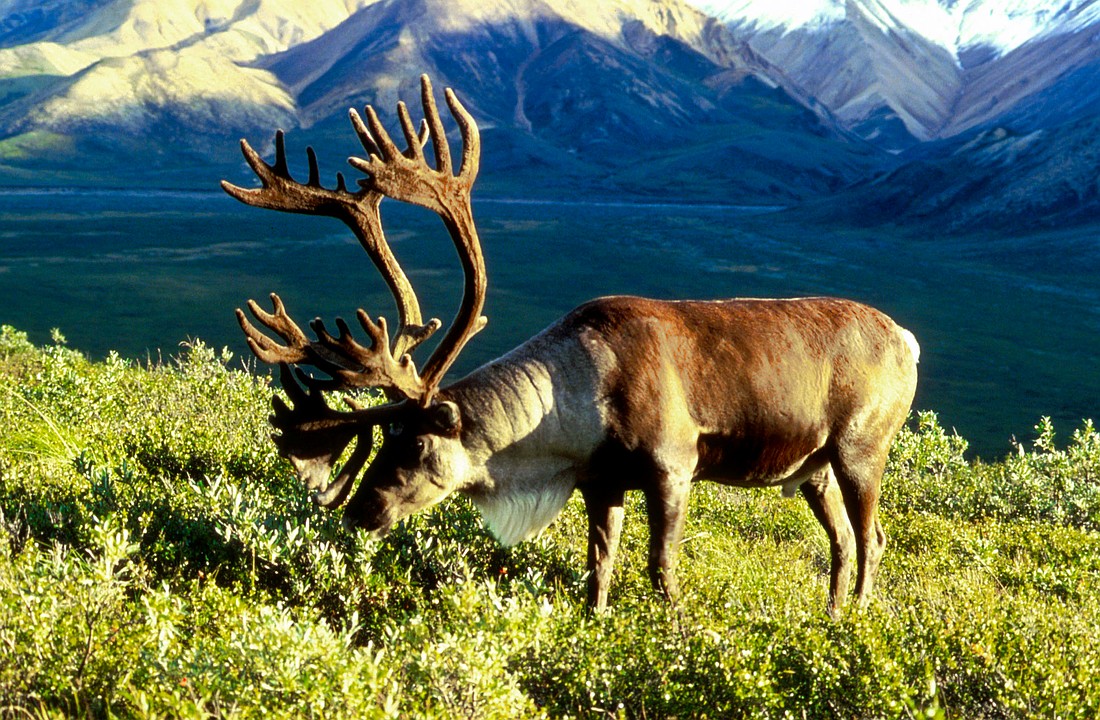
Reindeer were long ago viewed as mysterious creatures, symbolic of joy and good fortune. So, stories about flying reindeer pulling Santa’s sleigh may have been the perfect stretch of the imagination when, in 1821 a New York printer published a booklet titled "A New Year's Present."
This was the first known story of reindeer driving Santa Claus through the snowy night. Two years later, the poem "A Visit from St. Nicholas," commonly known as “The Night Before Christmas” was published. The poem features eight flying reindeer pulling Santa's sleigh and, for the first time, they are identified by name.
Can you name them? I can’t name them without saying the phrase ... “Now Dasher, now Dancer, now Prancer and Vixen. On Comet, on Cupid, on Donner and Blitzen.” Fun fact, Santa’s seventh and eighth reindeer were originally called Dunder and Blixem.
Over a century later “the most famous reindeer of all” was born. Rudolf the Red-Nosed Reindeer originated in a 1939 booklet written by Robert L. May for the Montgomery Ward department store in Chicago. The store wanted a Christmas story they could give away to children to entice parents to keep shopping. It became a holiday classic, adapted in 1948 into a famous song by Johnny Marks and then a beloved 1964 stop-motion TV special.
In real life, reindeer have an abundance of tiny veins around their noses which circulate warm blood, heating up the air they breathe to help keep them from being so cold. So, they actually do (sort of) have red noses like Rudolph.
But beyond their festive holiday image, reindeer (Rangifer tarandus) are facing a very real crisis: many of their populations are now endangered, with numbers declining at an alarming rate. Reindeer and caribou are the same species. However, they are not the same animal. In part, the difference is geography. Reindeer are native to northern Europe and Asia.
Caribou live in North America, so we may be more familiar with caribou. Caribou are bigger, elk-like and have never been domesticated. Reindeer are comparatively smaller and some have been domesticated.
Both are adapted to life in harsh, cold environments, with thick fur and specialized hooves that traverse through snow and ice. However, their resilience is being tested as never before. Over the past few decades, global reindeer and caribou populations have plummeted.
According to the International Union for Conservation of Nature (IUCN), some herds have declined by more than 50% since the 1990s. In North America, for example, the once-vast herds of woodland caribou are now listed as threatened or endangered. The reasons behind the reindeer’s decline are familiar, in that we hear them over and over regarding other species who are struggling to survive among an ever increasing human population.
Their future is far from certain. Without concerted efforts to protect them, these wide-ranging, disturbance-sensitive animals could disappear. By understanding the challenges they face and supporting conservation efforts, we can help ensure that these remarkable animals continue for generations to come.
Amy Carotenuto is the executive director of Flagler Humane Society,