- March 13, 2026

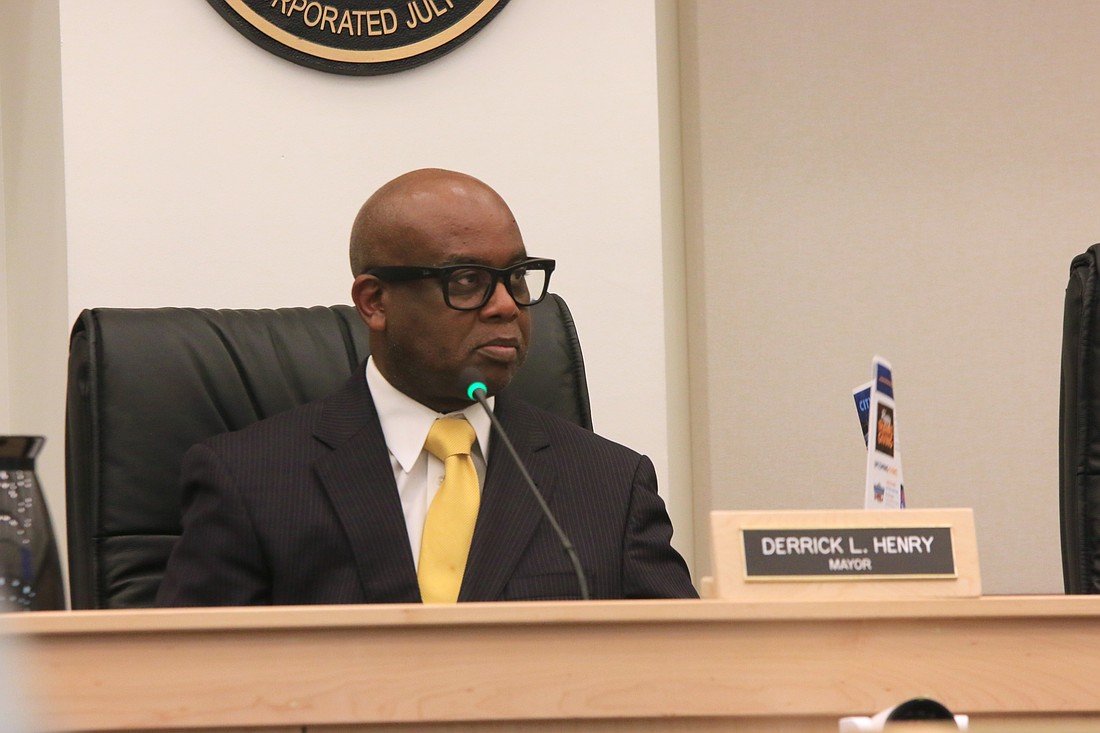
The Florida Joint Legislative Auditing Committee will conduct an audit of Daytona Beach, following accusations of misuse of city funds.
At its Dec. 8 meeting, the committee approved a request made by State Sen. Tom Wright of District 8, which encompasses a large part of Volusia County. Wright wrote in a letter to the committee requesting the review that recent developments “have raised significant concerns about the City’s financial management practices.”
Wright was referring to the city accumulating an excess of building permit funds – which already was reviewed by the Auditing Committee – and, more recently, the possible mismanagement of taxpayer money with city-issued credit cards, called P-cards.
Wright said recent investigative reporting has “detailed a troubling pattern of P-card irregularities,” including “vague justifications, inadequate documentation, questionable expenditures and internal controls that appear insufficient to prevent abuse or misuse of taxpayer funds.”
Daytona Beach Mayor Derrick Henry has repeatedly stated that in the City Commission meetings that he has not seen any information or evidence showing wrongdoing on behalf of Daytona Beach. But, in a statement made on his Facebook page on Dec. 9, Henry wrote that he welcomes the audit by Florida’s Auditor General.
“We are confident in our financial management and view this as an opportunity to demonstrate transparency and accountability. We will provide full cooperation and access to resources, ensuring a comprehensive review,” he wrote. “This process allows us to address any misconceptions, rebuild trust with our residents and business partners, and continue driving Daytona Beach forward. We are committed to addressing any findings and maintaining the city's positive trajectory.”
The city has been under fire about the usage of its P-card system since Commissioner Stacy Cantu initially brought up the issue in the Nov. 5 City Commission meeting.
City Auditor Abinet Belachew, who had just completed an audit on the city employee travel expenses, said at the Dec. 3 meeting that the Daytona Beach travel expense policy was last updated in the 1990s.
In his travel audit, he found policies that were subjective – like setting a travel meal budget to what is “reasonable” instead of a fixed amount – and disorganized. Documentation of purchases were not readily available, he said, but instead staff would have to search for them. The city needs a central filing system, he said.
“This is not rocket science,” he said. “Every organization I have audited has those documentation.”
His travel audit found that employees would spend city money on $100 meals while out at conferences – even where the meal was included in the event – and some on valet parking. Multiple purchases did not have itemized receipts with them, so the city has no way to know if, for example, a meal included alcoholic beverages, he said.
There were also unauthorized travels, some without documented purposes or multiple times in a year, with no way to tell if the trips were of a personal nature, Belachew said. One employee even bought a business class plane ticket because it “was refundable,” even though economy tickets were as well.
Additionally, he said, the audit found people had car allowances included as part of their compensation packages, even when those individuals have primarily office jobs. The city spends $350,000 a year on car allowances, he said.
Corrective action needs to be taken, he said.
“We're not suggesting anything nefarious up to this point,” Belachew said. “But whether nefarious or ignorance or incompetence, the result is the same. The damage is the same. It doesn't matter what the intention is.”