- March 17, 2026

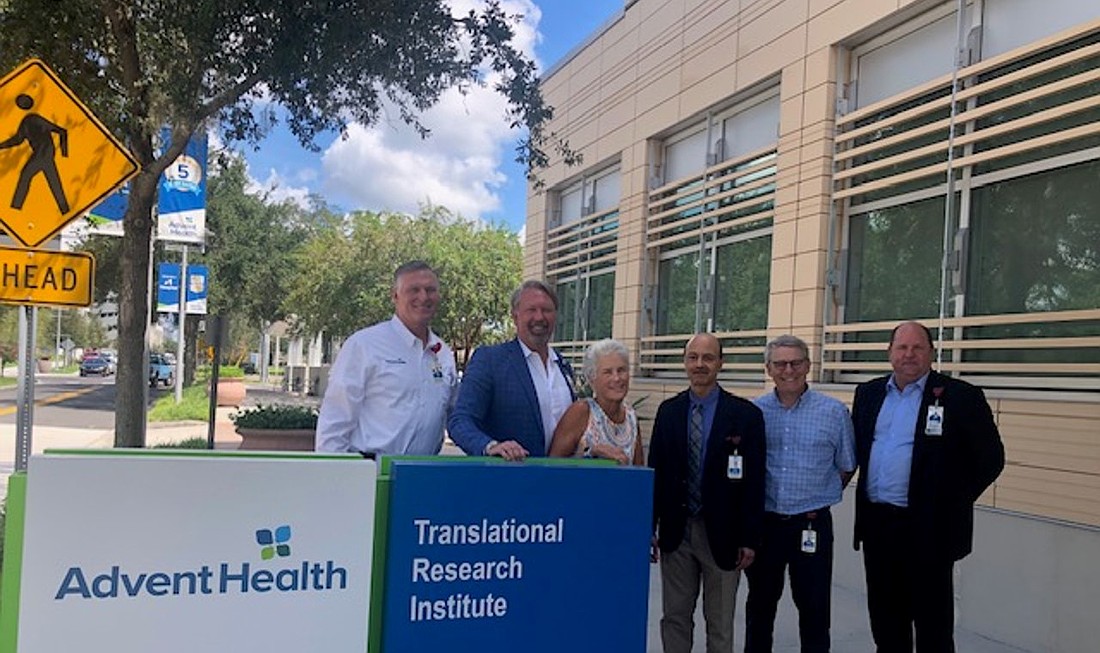
When her husband Christopher Glanz died of bladder cancer in September 2012, Hammock resident Muffy Runnells did not set out to become a philanthropic face of advancing bladder cancer research.
But that is inadvertently what happened.
“I still don't really want to be, but I had to speak up to give this endowment a face,” Runnells said, “so that people can understand that there's a need for monetary funding for research.”
Bladder cancer is the 10th leading cancer diagnosis in the United States and almost 85,000 people will be diagnosed with it in 2025, according to an August press release from AdventHealth. Runnells said research for bladder cancer treatments don’t receive as much funding awareness as those for breast or prostate cancer.
“So here is a way that I could honor my husband and also help others by doing something,” she said. “You know, if we can change the face of cancer in the next 10 years, how amazing would that be?”
Runnells donated $2.5 million to establish the Christopher K Glanz Chair for Bladder Cancer Research in 2025. The endowment will be used to recruit and retain cancer researchers, including Dr. Guru Sonpavde, who is the current endowed chair holder and physician scientist leading groundbreaking research at AdventHealth Cancer Institute in Central Florida.
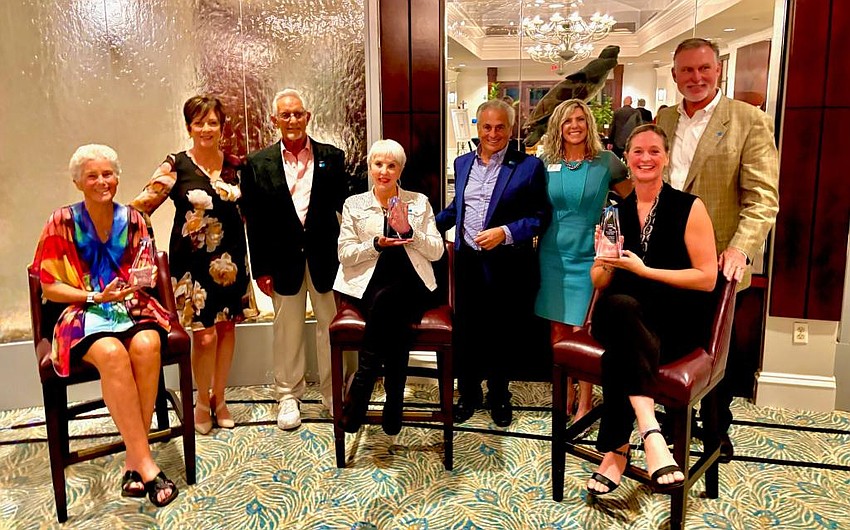
For her endowment donation and the efforts to fund additional equipment and develop tumor board programs to improve treatment coordination, Runnells was one of three women named Humanitarians of the Year for 2025 by the AdventHealth Palm Coast Foundation.
Runnells, alongside fellow recipients Nancy Katz-Areco and Carla Cline, received her Humanitarian of the Year award in November.
AdventHealth Michelle Bartlome wrote in an email that the recipients were selected by the AdventHealth Palm Coast Foundation board of directors for their impact on the foundation, the Palm Coast hospitals and Flagler County and the surrounding communities. The foundation has been recognizing humanitarians since 1976, when it was still a part of the Memorial Foundation in Daytona Beach.
Runnells said she got involved with the Foundation several years after Glanz died. His treatment journey had many “missteps,” she said.
Glanz died of an extremely rare form of bladder cancer called signet ring cell adenocarcinoma and the doctors only gave me 12-14 months. He lasted eight, she said.
Just in the last decade, Runnells said, the treatments for bladder cancer have become more specific with individualized treatment plans, something that was not available when her husband was diagnosed.
“Things are getting so that they can zap that cancer on a molecular level,” she said. “It gets more specific to the person, their nationality, their age, everything, that's where they're aiming. That's where they're going.”
Research is where Runnells wants to focus her support efforts, which is in part what the endowment funds. Research takes money, and, though the endowment is fully-funded now, she said, the more funds that are raised, the more that can be accomplished.
Runnells said she sees her contributions as “seeds,” and they’re already growing. Seeing the results of her help makes her want to help more, she said, and see what grows out of it.
“I will be at peace,” she said, “because whatever I’ve done has grown into something grander.”