- March 18, 2026

As Palm Coast continues to grow, so too must its plans for usable water resources.
Staff presented to the Palm Coast City Council a 20-year work plan for Palm Coast’s potable water that included population and water demand projections. The projections included all demand on the city’s water supply – including utility connections both within and outside the city limits – and accounted for predicted growth and annexation data.
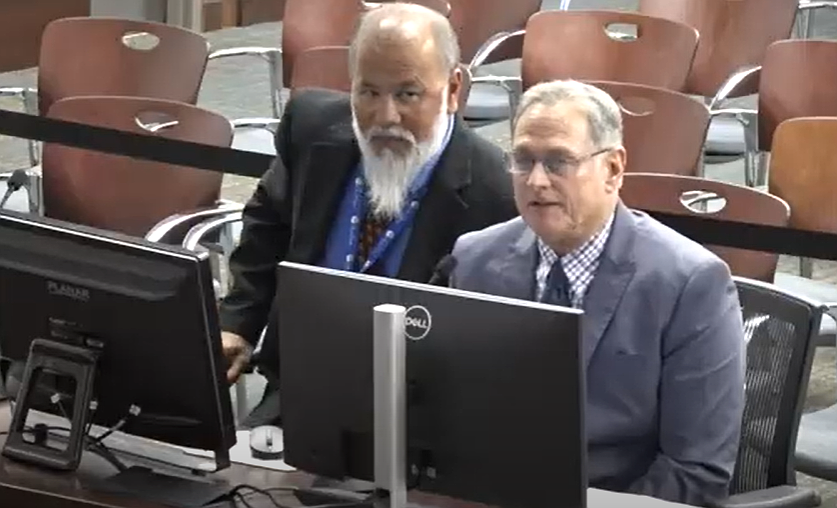
Senior Planner Jose Papa told the council on Aug. 13 that the work plan uses data that is already in the city’s comprehensive plan, and adopting this work plan is a matter of Florida statutory requirements.
“This is a formality that we need to do to incorporate the water supply facilities work plan,” Papa said. “The the data that we have in this plan is consistent in what's already been adopted into the comprehensive plan in terms of population projections and the usage.”
The data in the work plan uses 2024 Bureau of Economic and Business Research population data and projections and accounts for some future annexations. BEBR will release new projections “any day now” based on the April 1, 2025 data, Papa said.
According to the work plan, Palm Coast is already looking into utilizing alternative potable water sources by 2030, based on a total service population of 128,000.
Palm Coast Utility Deputy Director Peter Rousell said Palm Coast is actually using less than the projected water demand in 2050. The work plan assumes there is a water demand of 10.89 million gallons per day in 2025, but as of Jan. 1 to Aug. 12, Roussel said, Palm Coast is only utilizing 9.6 MGD.
“So there’s a little bit of a margin of safety there,” Rousell said.
Today, Palm Coast, Rousell said, is permitted to use a certain amount of MGD from the two aquifers it has access to: the Confined Surficial Aquifer and the Upper Floridian Aquifer. Palm Coast is allotted 6.875 MGD from the Surficial Aquifer and 4.15 MGD from the Upper Floridian Aquifer.
The plan projects that by 2050, with an estimated service population of 167,409, Palm Coast will have a total water demand of 15.9 MGD. The plan projects the city will use 12.4 MGD of traditional water sources and 4.5 MGD from alternative sources.
Alternative water supply sources could potentially include brackish groundwater from both the Upper and Lower Floridian Aquifers, surface water and treated concentrate and reclaimed water, according to meeting documents. The city is projected to begin drawing 2.2 MGD from these alternative sources by 2030.
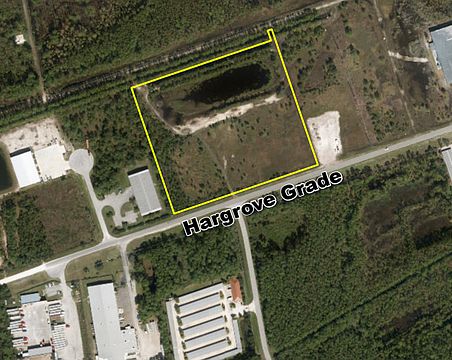
Already Palm Coast as begun taking steps to prepare for future demand on its water supply, Roussell said. The city is reviewing 800 acres of land on the West side of Palm Coast to install well on the site, including some brackish wells.
Palm Coast has also begun installing upgrades that would allow drinking water byproduct generated from the water treatment plants 2 and 3 treatment processes to be reclaimed as drinking water or raw water.
“We're currently within our permit limits,” Rousell said. “But as demand grows…we will need to evaluate additional capacity or optimize existing systems through upgrades and conservation.”