

- March 19, 2026

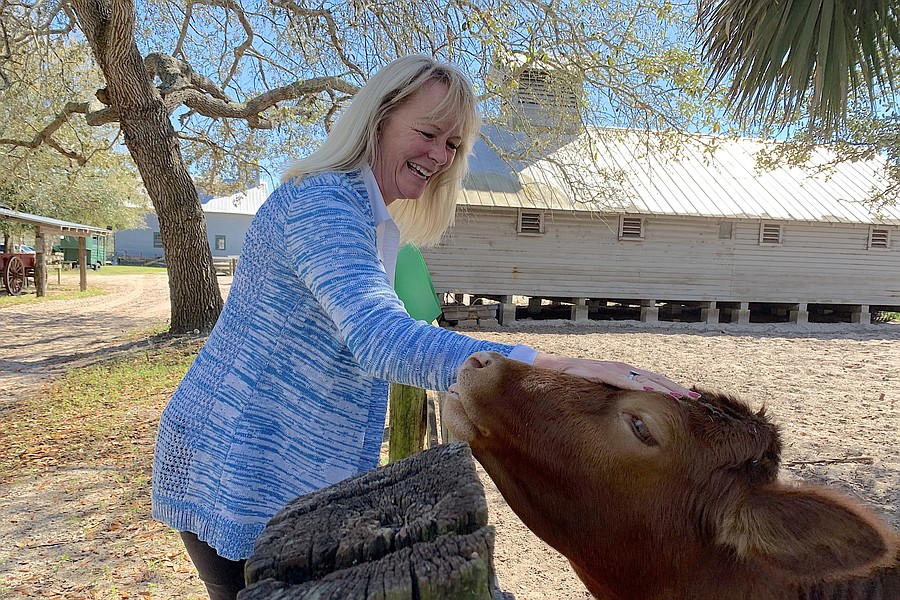
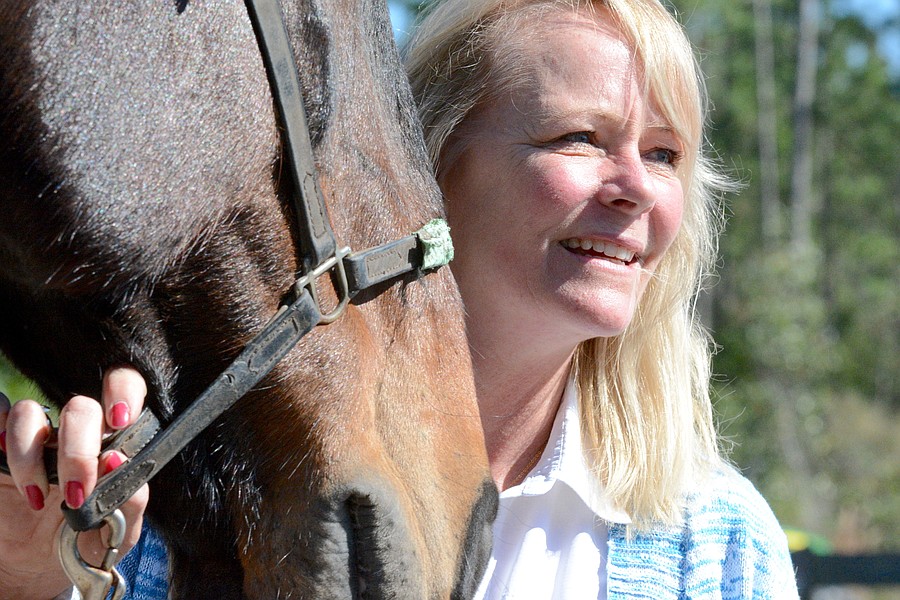
Kara Hoblick, executive director, pets Tiny, whose mother died when she was 3 days old. Tiny will be part of the museum's petting zoo in the future.
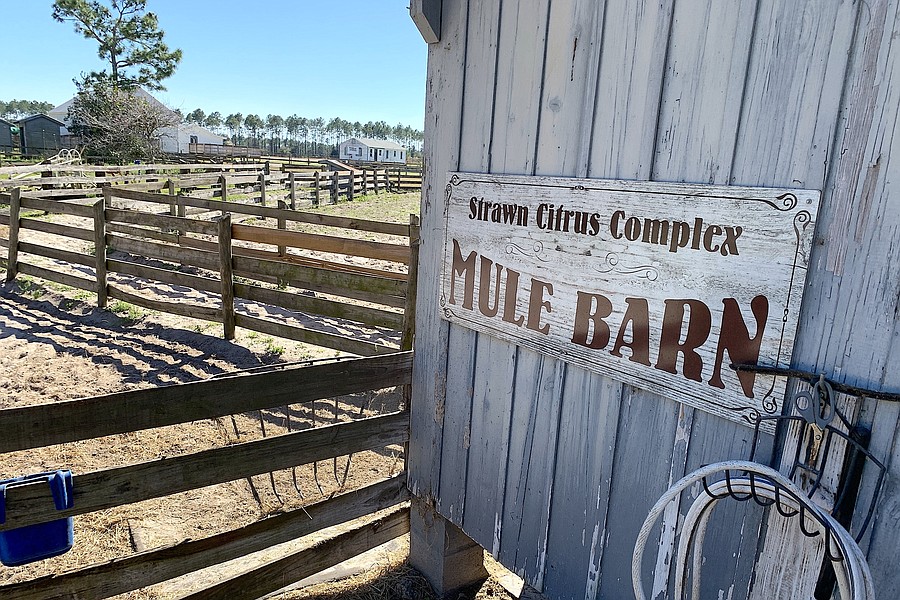
The Strawn family, of DeLeon Springs, donated the citrux complex buildings at the Ag Museum. Theodore Strawn lived from 1870 to 1925. Photos by Brian McMillan
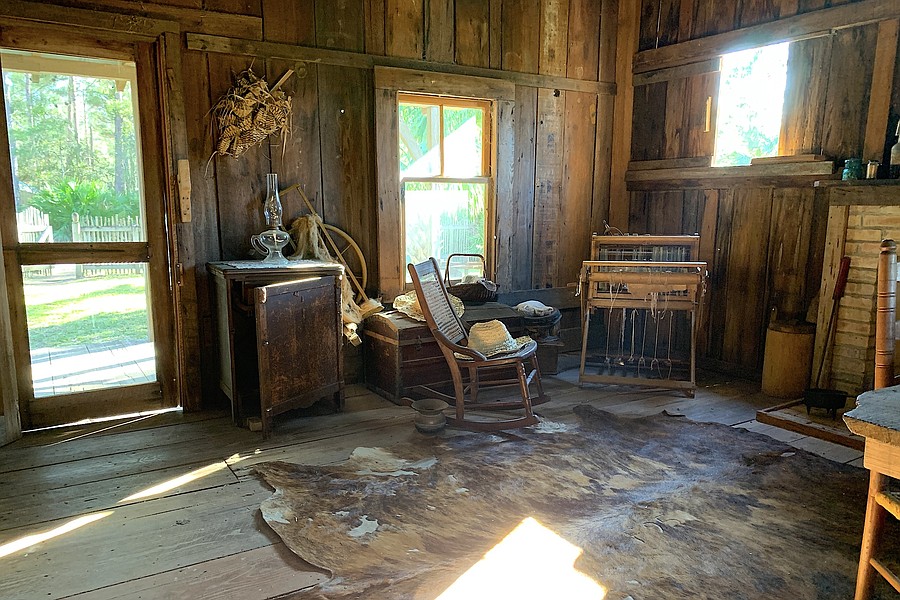
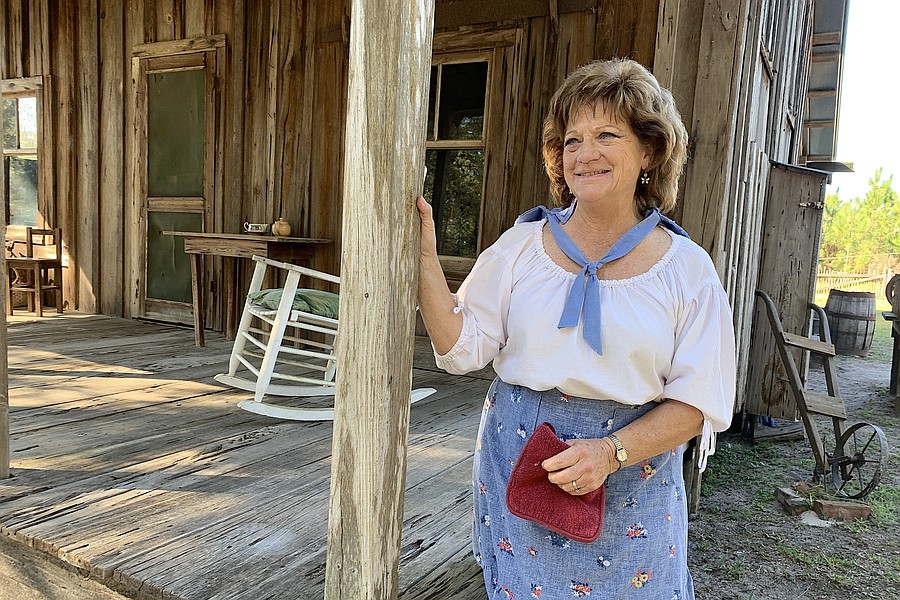
This Florida cracker house was built in the 1880s and donated from the Clark family in Osteen. There was no running water and no electricity, so rain water was boiled and made into tea.
Kara Hoblick
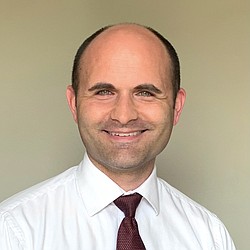
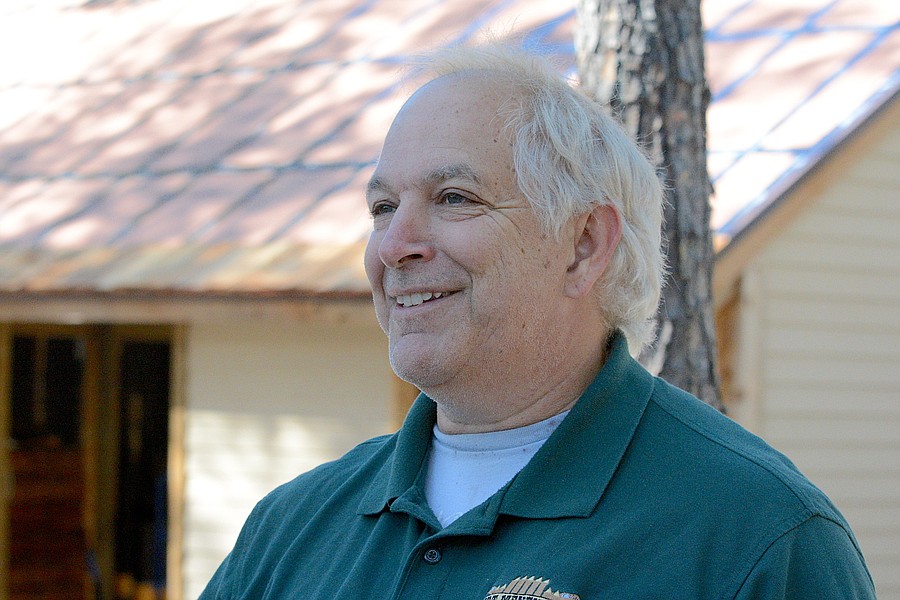
Dan Carignan, director of the Old Florida Museum
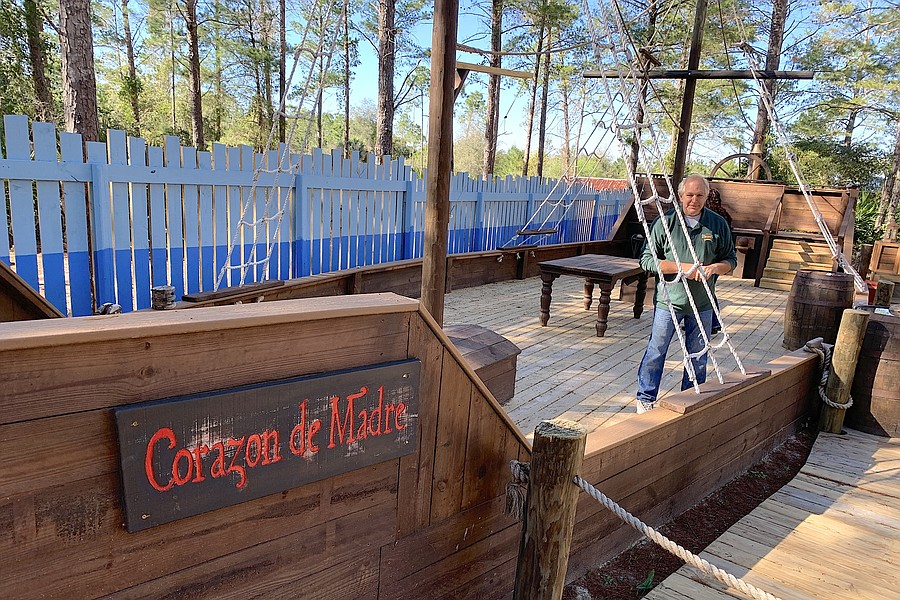
"I build ships that will never sink," said Dan Carignan, aboard the Corazon de Madre, a life-size replica of a 70-foot ship that sailed across the Atlantic.
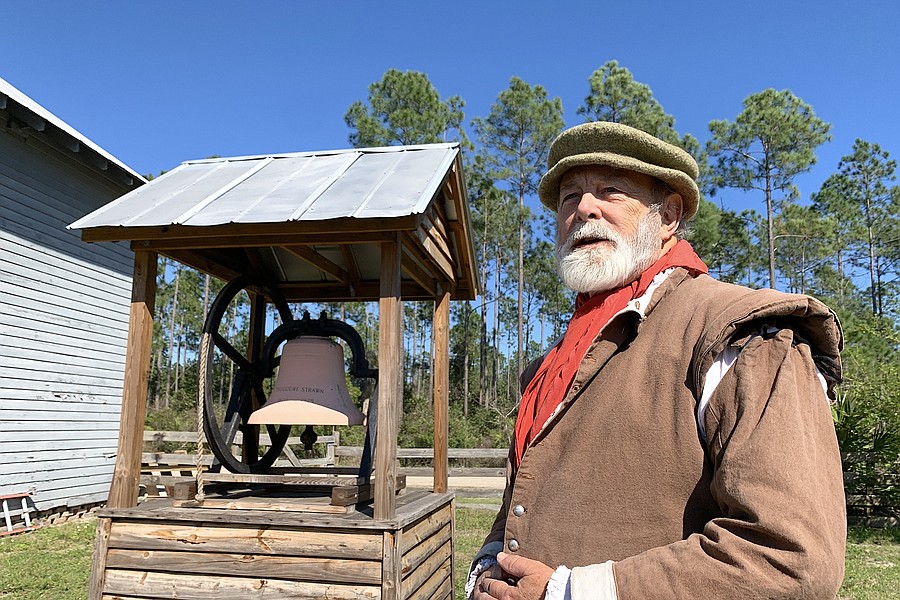
James Fiske, volunteer tour guide, explains that this bell was used to wake up Theodore Strawn's workers to begin work at citrus groves in DeLeon Springs in the 1800s. The bell could be heard across hundreds of acres.
A model of Hewitt's saw mill, which helped the housing industry in the 1770s.
Cathy Tallacksen, volunteer from Astor, poses at the Clark homestead.
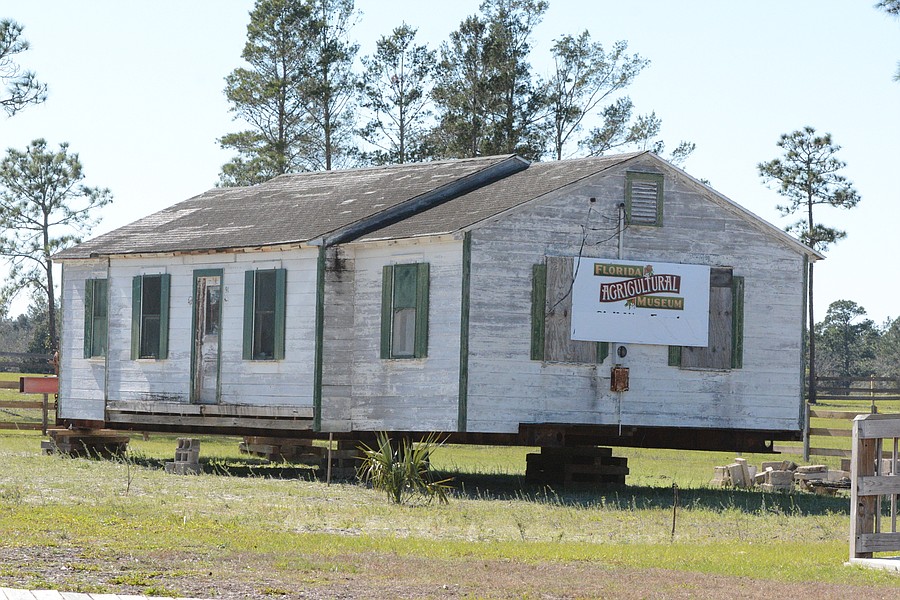
The Meldrim house was brought to the Ag Museum in November, the first structure brought to the property in a decade.
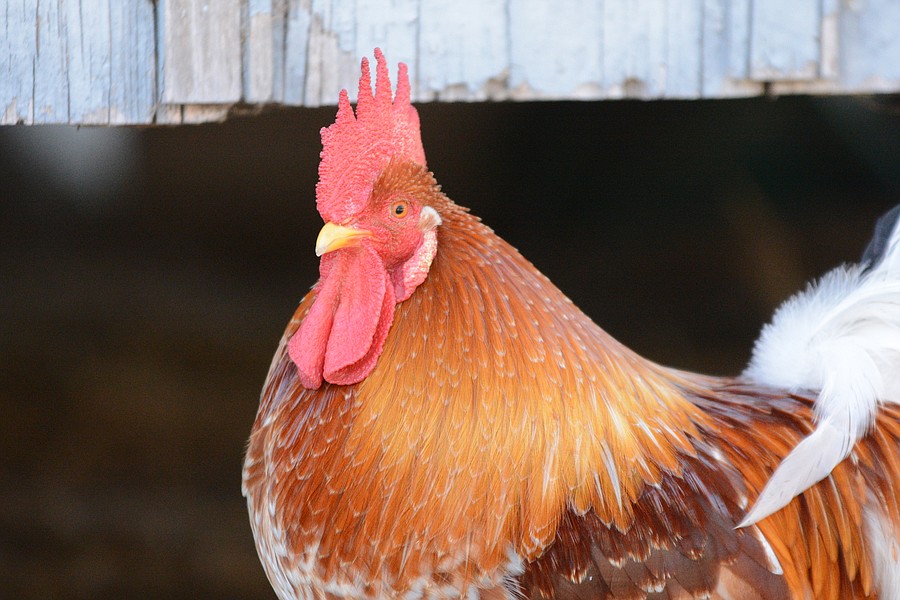
Many kids who visit the Ag Museum have never pet a dog or a cat, let alone fed a chicken or pet a horse, according to Kara Hoblick, executive director.
Past the Strawn barns and worker homes dating back to the 1800s, past the chickens and cracker horses, past the cedar forest, there is a museum within the Florida Agricultural Museum. It's new, successful, and it's just part of a broad effort to transform the entire property into more of a statewide attraction.
"I'm ready to go out to the community and the entire state of Florida and say, 'We're ready. Come on board.'"
KARA HOBLICK, executive director
The Old Florida Museum used to be located in St. Augustine, with more than 18,000 children from across the state touring six exhibits in a village format every year. There was an archeological hands-on dig, a Timicua Indian program, a Spanish colonial fort complete with dress-up skits, a pioneer homestead and a 70-foot replica of a Spanish ship.
But after new owners purchased the property in St. Augustine in 2018, the OFM was donated. The exhibits were moved to a 2-acre plot of land at the Ag Museum, at 7900 Old Kings Road N., in Palm Coast. So far, the dig exhibit and the ship are open, with others under construction, and it has already grossed $30,000, at $8 per exhibit visit.
The Ag Museum's executive director, Kara Hoblick, is seeking $795,000 in state funds to complete the village, adding a gift shop, offices, public restrooms, pavilion and parking lot. The potential — a word Hoblick uses often to describe the Ag Museum — is enormous. The OFM is already well known, and Flagler County has a chance to capitalize on that, bringing tour groups on their way to or from St. Augustine.
"Some teachers have been coming here for close to 20 years," said Dan Carignan, who was the manager of the OFM in St. Augustine and has stuck with the attraction after the move to Flagler County. When the OFM closed in St. Augustine in 2018, "teachers were crying," he recalled. "It was really heartbreaking."
Carignan's passion was on display during a media tour Feb. 28, 2020. He explained that children loved the archeology exhibit, where the tour guides show them coprolite and ask them to handle it and guess what it is (fossilized dino droppings). When the kids go home, they tell their parents, "I touched dinosaur poop today! It was awesome!"
At the replica ship, called the Corazon de Madre, Carignan explains that this is the type of ship used to sail across the Atlantic Ocean hundreds of years ago. Sailors slept on the deck; below deck was for animals only. There were glass prisms built into the deck to provide light below. The cannon ball on board had a three-mile range.
Hoblick has been in her role at the Ag Museum for three years. Before that, she worked in ad agencies and was a volunteer. When the prospect of being in charge of the museum arose, she was hesitant. The property was out of money, and it would be a massive project to improve it.
Then she took a full tour. "I was speechless," she recalled. "This was place was a gem — could be a gem. It has never come into its own, but this is the right time."
For people who are tired of the hustle and stress of modern life, the Ag Museum is a place to slow down, she said.
When she accepted the role as executive director, she was all in.
"I won't sell something I don't believe in," she said. "I'm ready to go out to the community and the entire state of Florida and say, 'We're ready. Come on board.'"
Visit https://www.floridaagmuseum.org/.