

- March 20, 2026

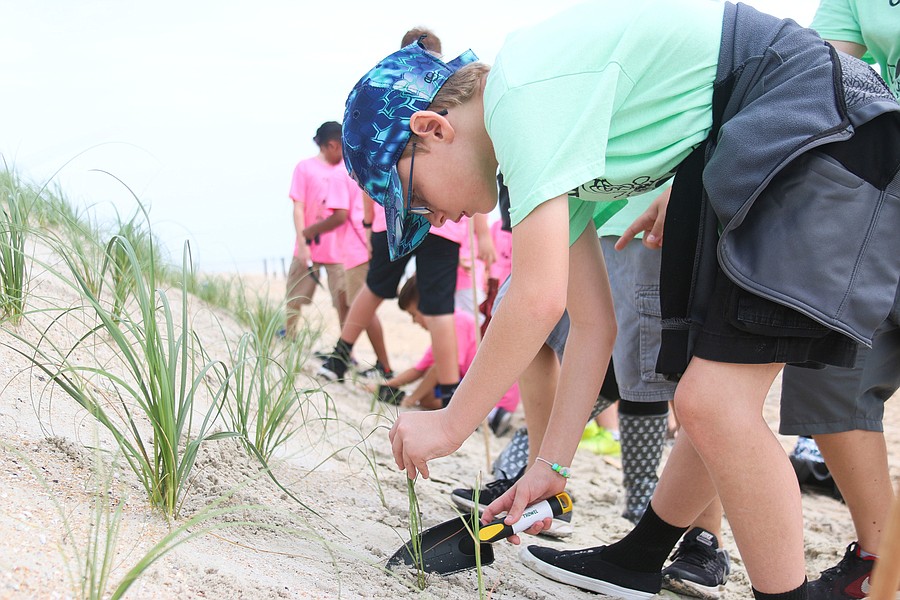
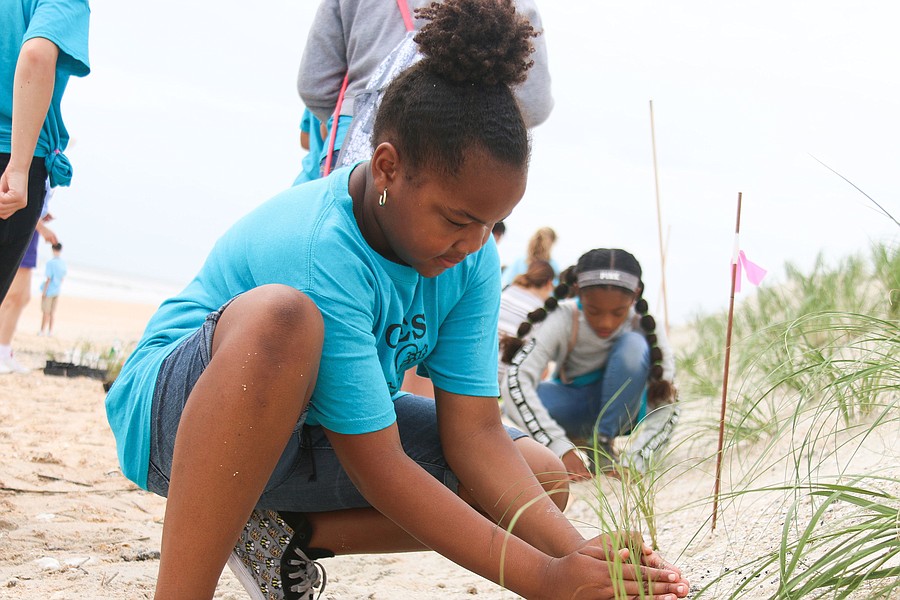
OKES student Triston Uptagrafft pats sand around the newly planted sea oat. Photo by Paige Wilson
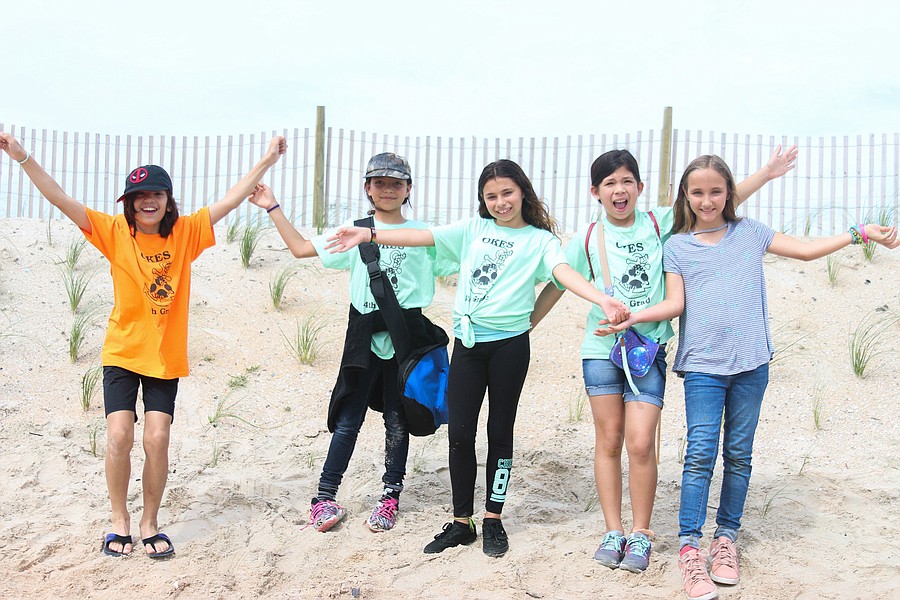
OKES students Ryan Mello, Hannah Guiab, Sophia Polcari, Ava Mello and McKailyn Potts show their excitement after planting the sea oats. Photo by Paige Wilson
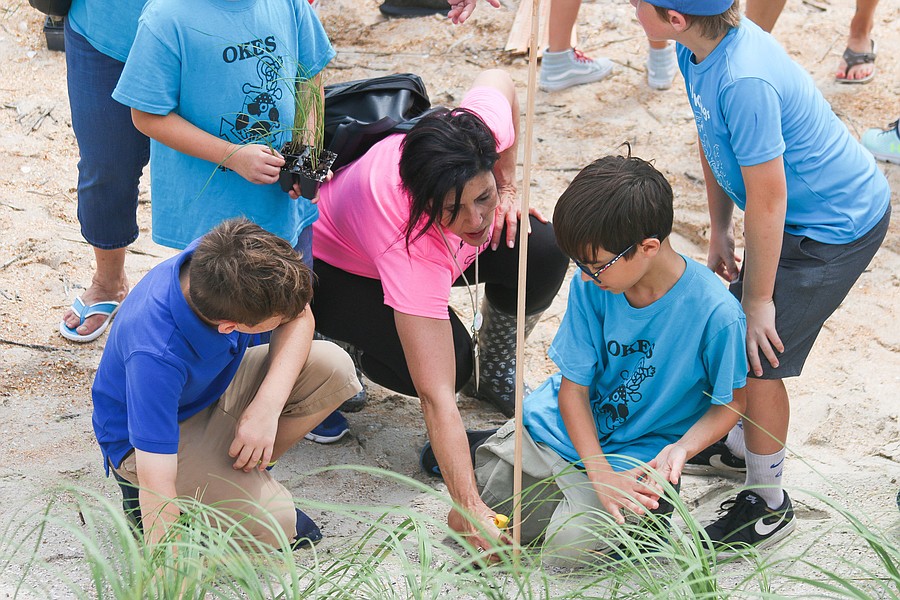
OKES teacher Ellen Asher helps students Mason Johnson, Adrian Alfonso and Kayden Kadashaw plant the sea oats. Photo by Paige Wilson
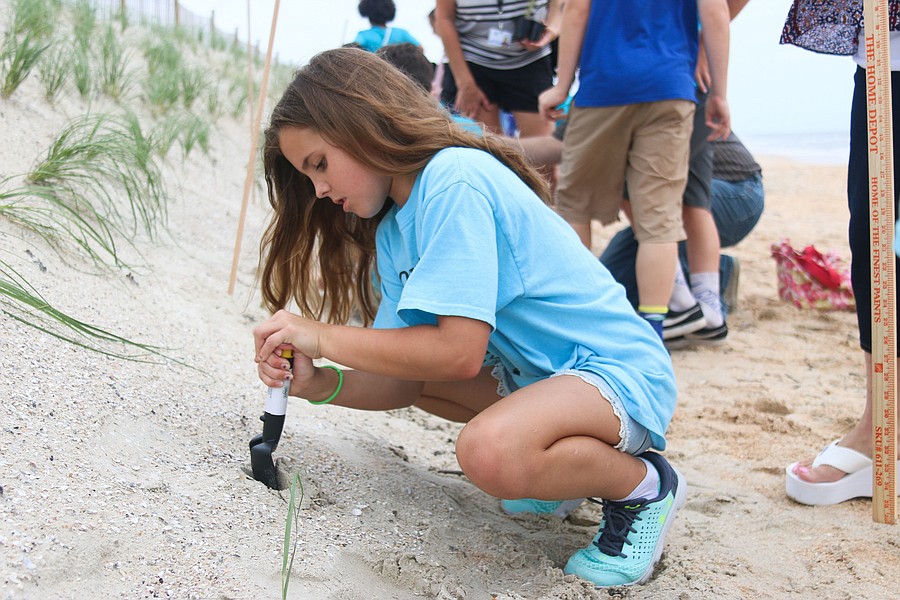
OKES student Riley Weitzel makes a hole in the dune with a shovel to prepare to plant a sea oat. Photo by Paige Wilson
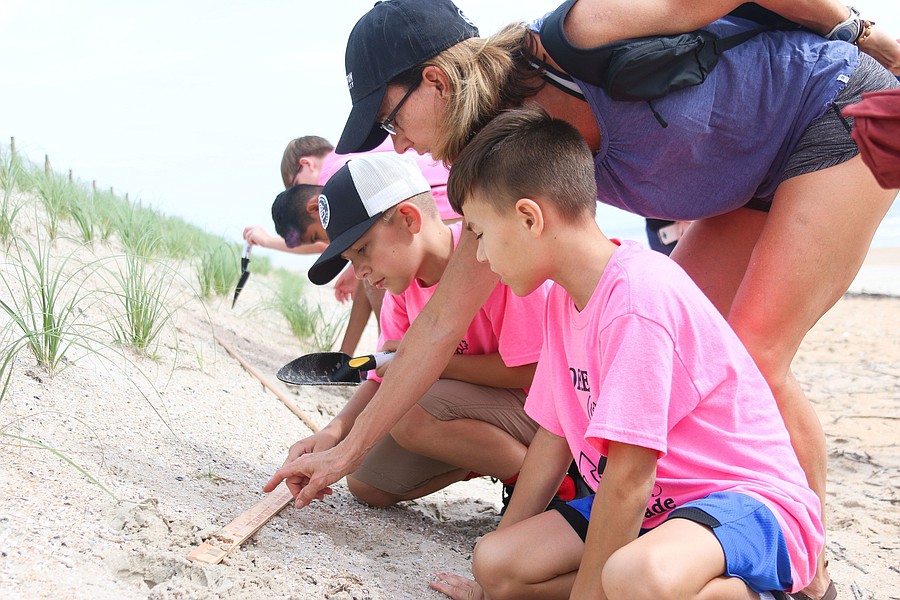
OKES student Sean Balseiro (front), mother Danielle Balserio and OKES student Logan Duckworth measure 18 inches in between each hole to plant the next sea oat. Photo by Paige Wilson
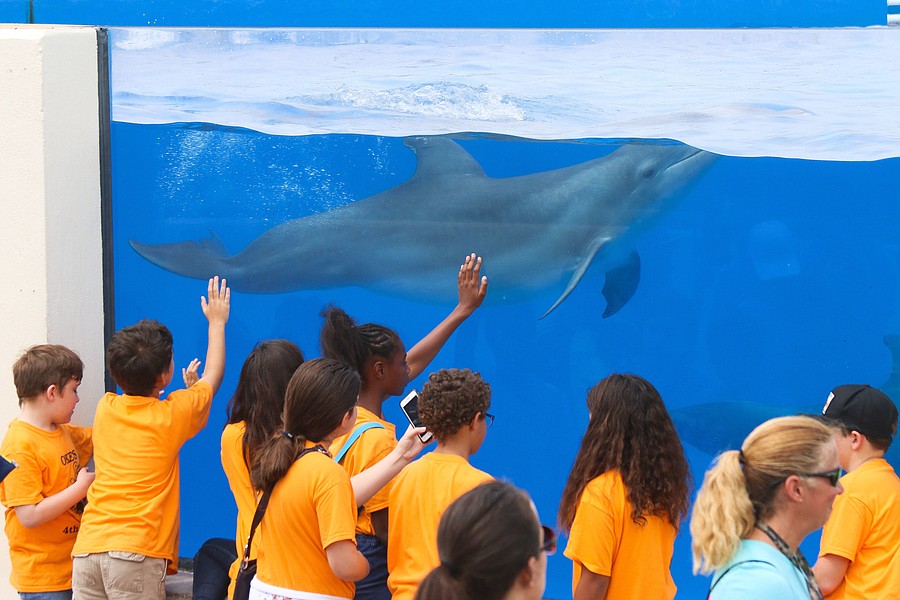
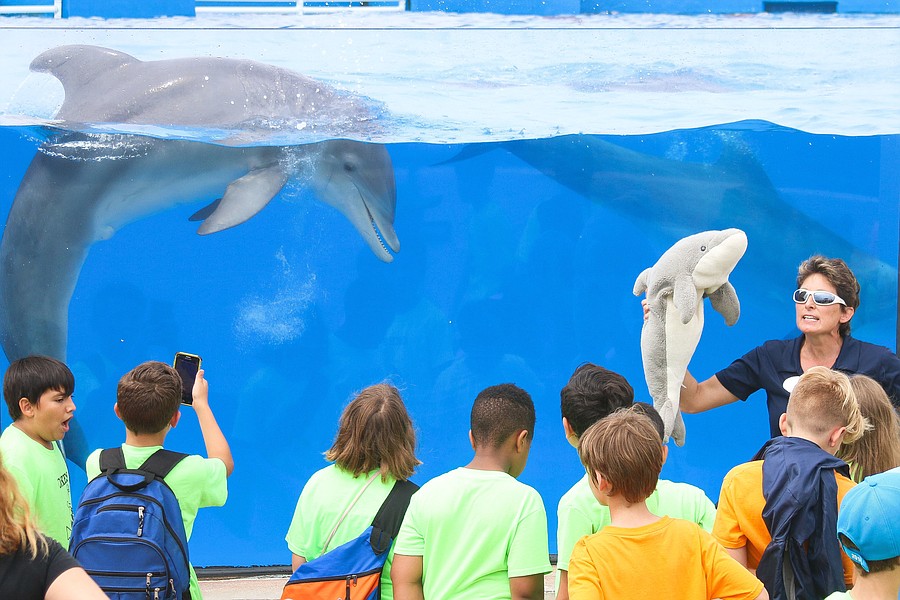
As part of their Marineland field trip, OKES students watch the dolphins swim around. Photo by Paige Wilson
OKES student Jaiya Allen pats the sand around the newly planted sea oat. Photo by Paige Wilson
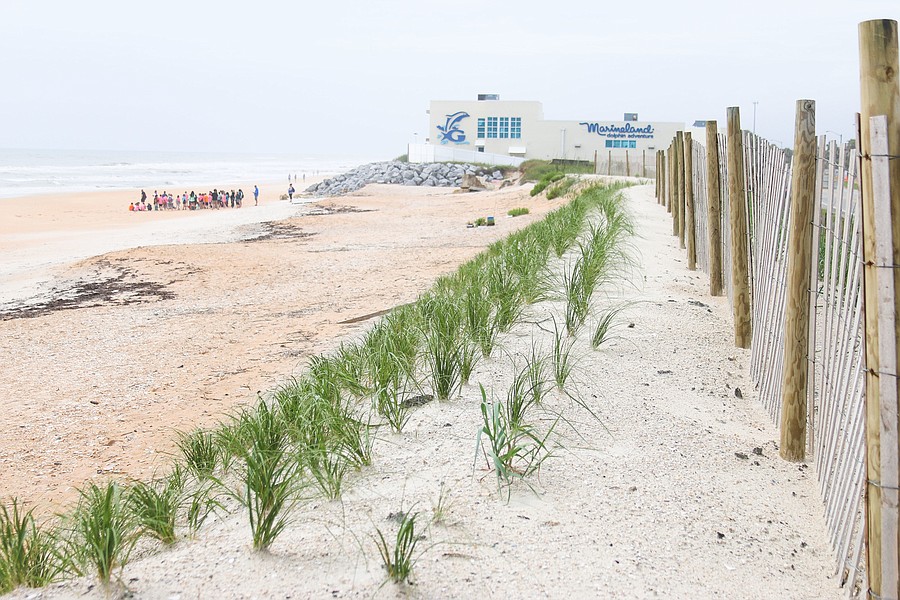
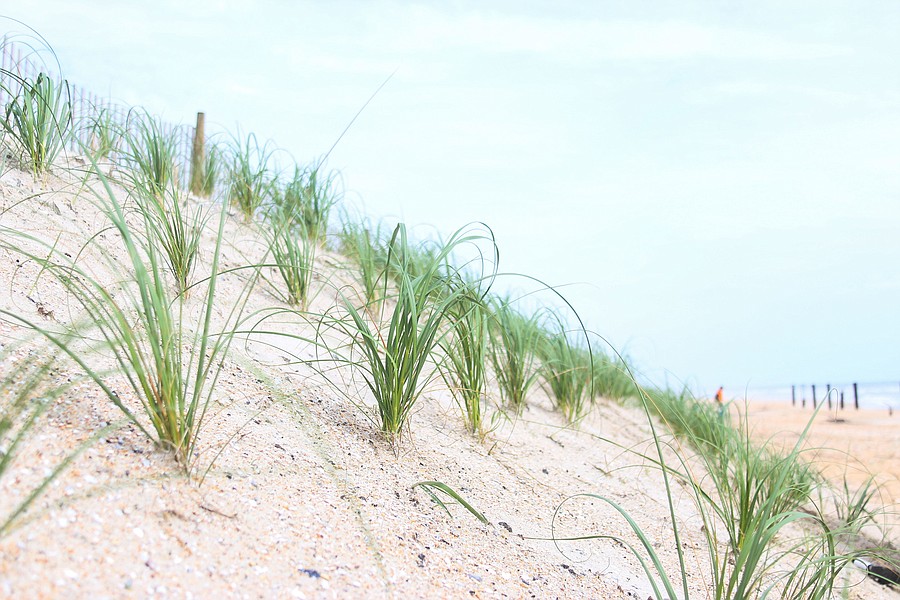
Sea oats line the dunes at the Marineland beach. Photo by Paige Wilson
OKES students watch the dolphins and listen to facts about their anatomy as part of the Marineland field trip. Photo by Paige Wilson
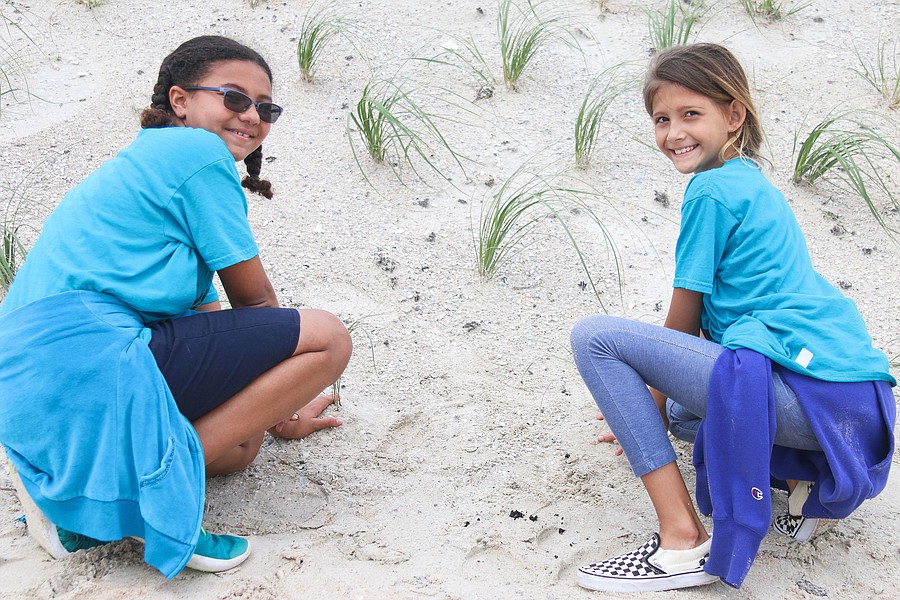
OKES students Hannah Bellegarde and Kimora Magno pose by the sea oats they just planted. Photo by Paige Wilson
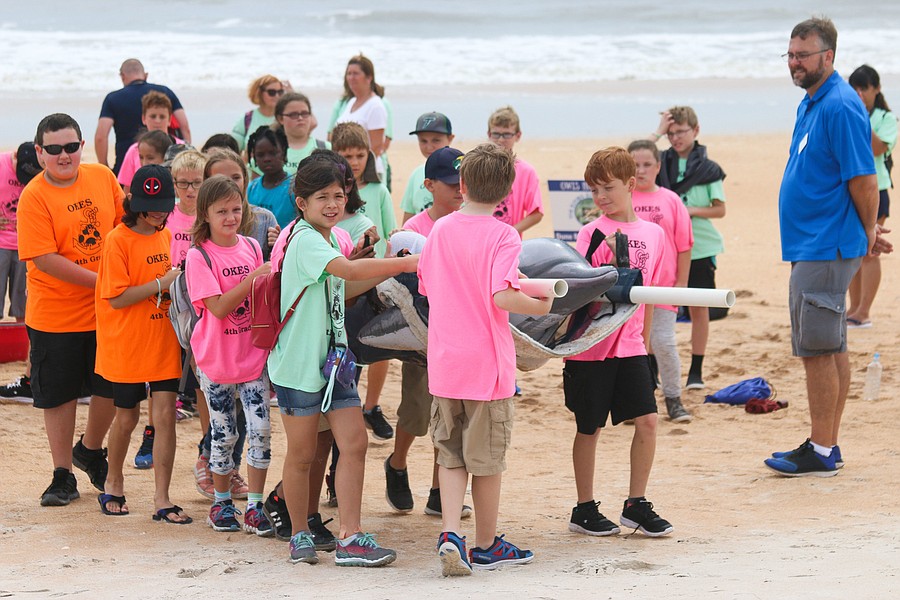
OKES students practice a dolphin rescue with a prop dolphin figure as part of their Marineland field trip. Photo by Paige Wilson
OKES students Riley Weitzel, Jada Wirt, Natalie Jones and Matilda Noble each have a role in planting four sea oats on the dune. Photo by Paige Wilson
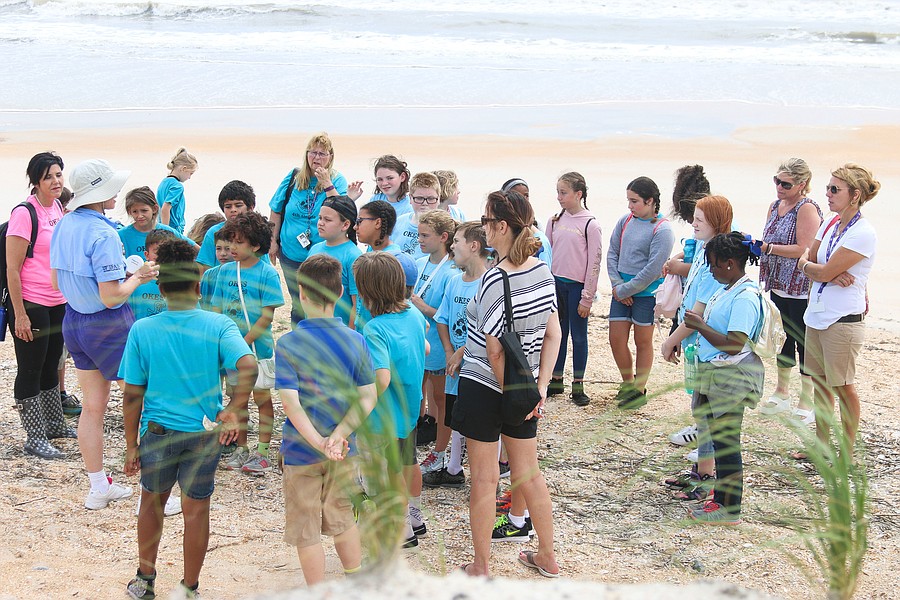
A group of OKES students, teachers and parents listen to NAME discuss the steps in planting the sea oats. Photo by Paige Wilson
Sea oats line the dunes at Marineland. Photo by Paige Wilson
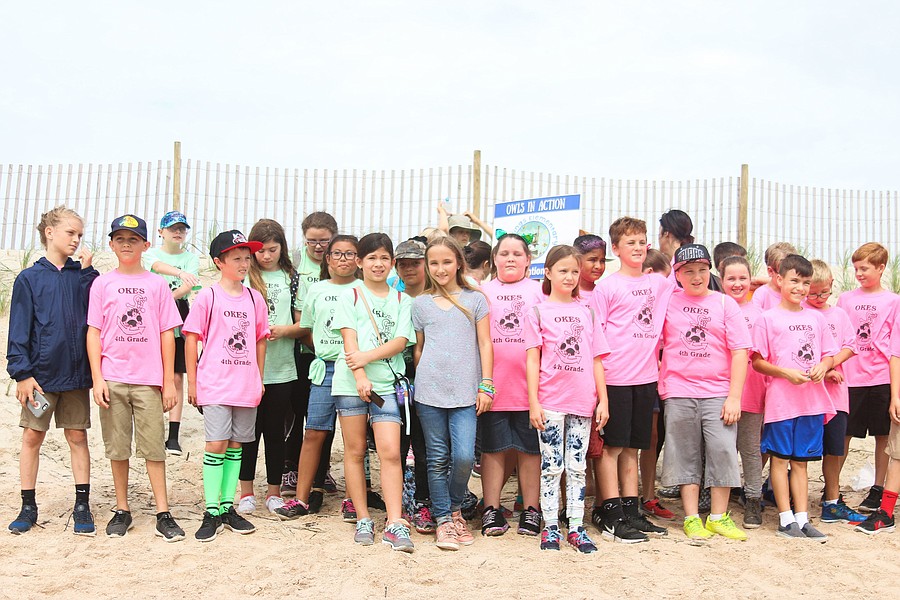
OKES students pose for a photo after planting sea oats. Photo by Paige Wilson
Old Kings Elementary fourth-graders are helping restore the dunes at Marineland — one sea oat at a time.
After spending three years growing about 75 sea oat plants (a tall subtropical grass) at OKES, 145 students took a field trip on Tuesday, May 22, to Marineland Dolphin Adventure to plant the sea oats along the beach's dunes, which were ravaged by Hurricane Irma and Matthew over the last two years.
Ellen Asher, an OKES teacher who spearheaded the dune restoration project, said that sea oats, which are an endangered species, have deep roots that can help hold sand in place, preventing erosion. The school project cost about $3,500, which she said was raised by the fourth-grade students and teachers. Nature Scapes in Bunnell also donated sea oats to add to the project.
"The students are concentrating on a standard that we have in fourth grade that addresses how the environment really affects the animals and plants in Florida," Asher said. "The students have been growing the sea oats for three years, and now we're getting an opportunity to plant them on the beach, which is extremely exciting for them."
Asher said when the project began, the group thought they would eventually plant the sea oats in Flagler Beach, but after the last hurricane, they decided that the Marineland beach, located at 9600 N. Ocean Shore Blvd, St. Augustine, needed help with restoration.
"You'll see over time how this whole dune is going to be covered in this beach grass, which allows animals to have a habitat," she said. "It helps the turtles know where to stop so that they can lay their eggs in front of the dune. And then, of course, we have beach mice and ghost crabs that live in the dunes."
Maia McGuire, UF/IFAS Extension Sea Grant agent for St. Johns and Flagler counties, told the students the proper steps for planting sea oats: take a small shovel and insert it into the sand while wiggling it around just enough to make a hole. Add a gel that allows for the sea oat to be hydrated, and then add fertilizer. Finally, being sure to place the sea oats 18 inches apart, pat sand around the oats.
As part of the field trip, students were also able to learn about dolphin anatomy, watch the dolphins swim around the tanks and learn how to carry a rescued dolphin from the shore, which was practiced with a prop figurine.
OKES fourth-grader Leah Ruddell said she was excited "that the dunes are being restored and the animals are being saved. I love sea life."
She added that the growing process was tedious at school, as students would have to water the sea oats every day and check on them frequently.
"It was very difficult because they grow very tall and it's hard to water them all," she said. "(The sea oats) are going to restore the dunes and help the animals' habitat."
For more information on the environmental protection work Marineland does, visit http://marineland.net.