- April 3, 2026


Joe Rosa
The year was 1970 and 17-year-old Jose “Joe” Rosa watched as plastic balls were poured into a container.
It was a recurring event that, according to Rosa, had people glued to the TV. A ball containing the number 274 was picked. Rosa had been drafted for the Vietnam War.
What followed was a letter from the Department of Defense notifying the teenager that he had been drafted. Rosa had been preparing for this moment and had already been in discussion with an Air Force recruiter who he then contacted after receiving the letter.
Rosa told the recruiter he would join the Air Force as long as he wasn’t going to be sent to Vietnam. He was assured that he would not be sent to Vietnam and Rosa was soon sent off to Texas where he would learn how to be an aircraft mechanic.
However, Vietnam would soon become a reality.
Not long after Rosa turned 18, he was lined up with other other men drafted into the military waiting to be told where they would be sent. When the man reading off the list got to Rosa two words stood out: Southeast Asia.
Rosa was going to Vietnam.
“I had just hit 18, I knew nothing about life,” Rosa said.
But Rosa's introduction to being in the war was brief. After a quick stop in Taiwan, Rosa was in Vietnam where he became a crew chief on the C-130 aircraft, which transported troops and delivered equipment.
One time Rosa remembers landing at a base in Saigon and seeing hundreds of body bags laid out across the tarmac.
"You see this on TV but imagine what that does to you [in-person]," Rosa said.
Because the plane was so frequently shot at, Rosa would put his helmet and bulletproof vest under him for protection. One night, the crew counted 38 bullet holes in the plane. In spite of what Rosa experienced while in Vietnam, returning home in 1972 what not what he had expected.
"They said, you can't wear your uniforms when you come back because the Americans are as hostile as the Vietnamese," Rosa said. "How hurt are you that you went off to serve your country and they don't want you back. That was a very bad feeling to have as happy as you are to be back."
Years later, friends told Rosa that even they had treated him differently and hadn't trusted him when he returned.
There was one positive moment that Rosa does remember. About 20 years after the war, Rosa heard about a Vietnam veterans parade being held in New York. Rosa decided to take the day off, put on his uniform and march with other veterans.
"Finally, I could say, I'm a Vietnam vet, I did serve," Rosa said.
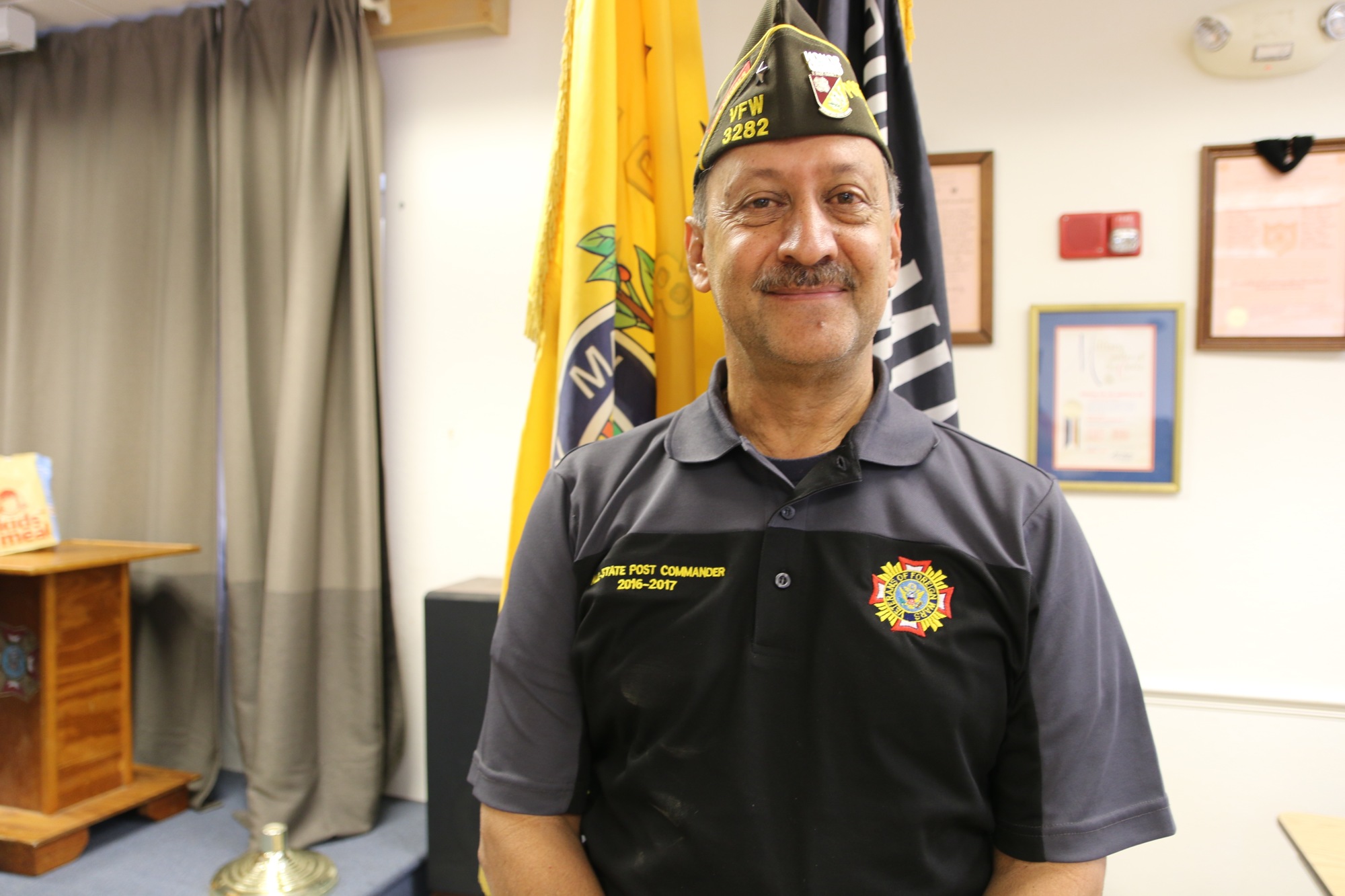
Now, Rosa is the commander of the Veterans of Foreign Wars Post 3282 and has a goal to help other veterans in any way he can.
"When these military folks come back they need help and they don't know where to get it," Rosa said. "We're still fighting to do everything we can to make life normal for them again."
Rod Phillips
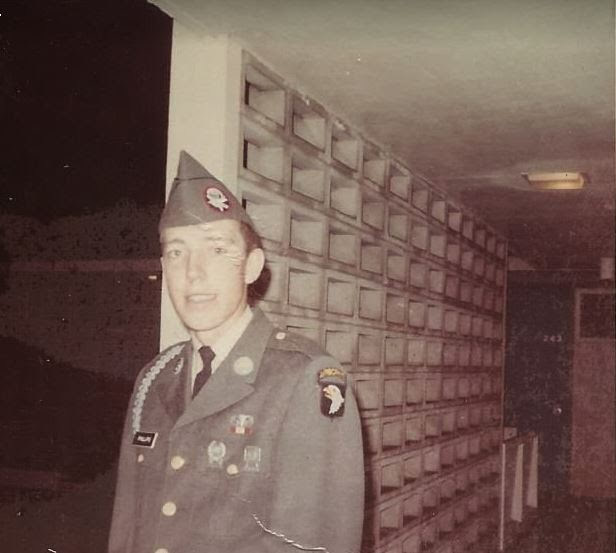
Vietnam Veterans Chapter 1048 President Rod Phillips came from a military background that spanned from his father to his grandfathers. So it was only natural that in 1967, when Phillips was a junior in high school, he enlisted in the Army.
One year later, the orders for Phillips' division were nailed on the side of the building barracks — he was going to Vietnam.
On January 8, 1968, Phillips landed in South Vietnam around the area of Saigon. He remembers the heat, humidity and the long months of rain.
But he also remembers the beauty of the countryside filled with thick vegetation, vegetation he and other infantrymen would have to trek through with only a rucksack and 12 meals that would have to last. Phillips would also "walk point," which meant he and another man would trek ahead of a company with 120 men.
During the Tet Offensive, Phillips was one of the first to be shipped up to northern Vietnam.
"They said we need you up north to search and destroy," Phillips said. "We were in the jungle and we were looking for the enemy."
On July 19, 1968, Phillips was wounded and medivacked out only to return months later. He still has the telegram sent to his parents notifying them that their son had been injured but would recover.
When Phillips left the military in 1970 and was preparing to return home he, like Rosa, was told it would be preferred if he didn't wear his uniform. He had also heard stories about other soldiers returning from the war who were spit on and stopped by protests.
Phillips was provided with a new uniform but kept it in a clothes bag while he traveled home.
"When we came back we took a little bit of a low profile," Phillip said. "Back in the early '70s, it was a different time. The 'welcome home' today is widely used because we didn't get that welcome home when we came home."
Back in the U.S., Phillips entered a career in law enforcement for 38 years. It was during his time patrolling the streets that he began to realize how many veterans were homeless. Since that time, Phillips has worked to help other veterans through town halls and being a part of local groups, such as the Florida Vietnam Veterans Assistance Foundation.
Phillips' reason for helping other veterans comes down to this:
"We feel that if we're going to send young people to war, we need to take care of them when they get back."