
- March 20, 2026

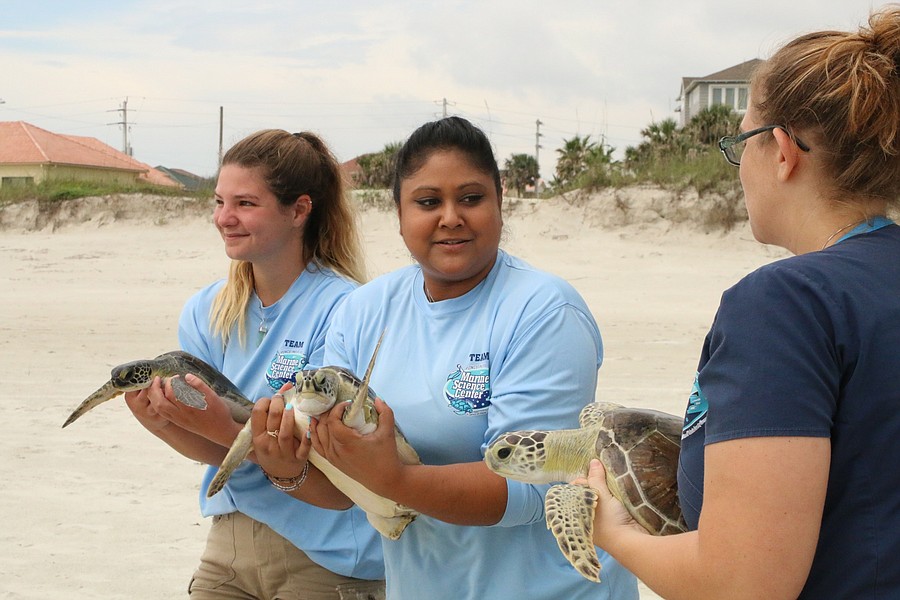
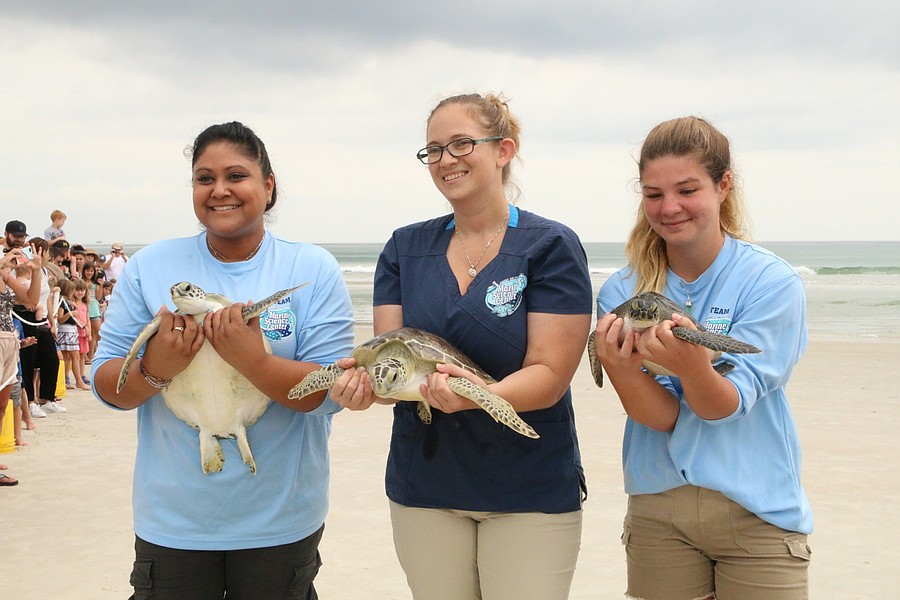
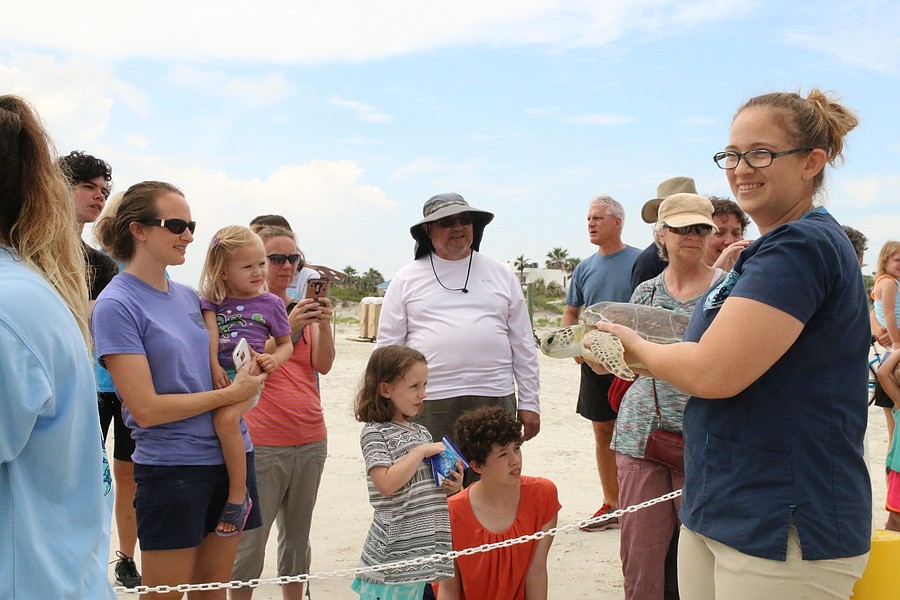
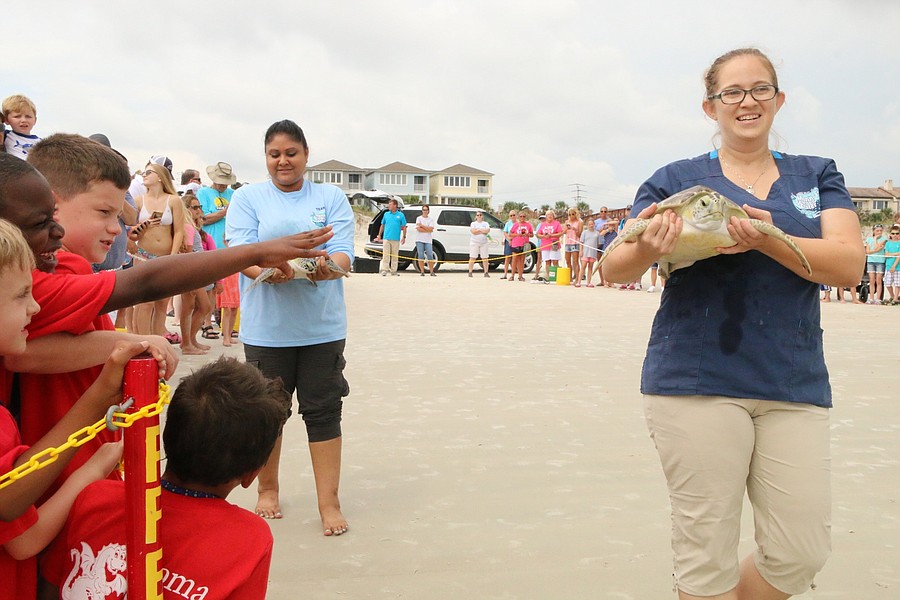
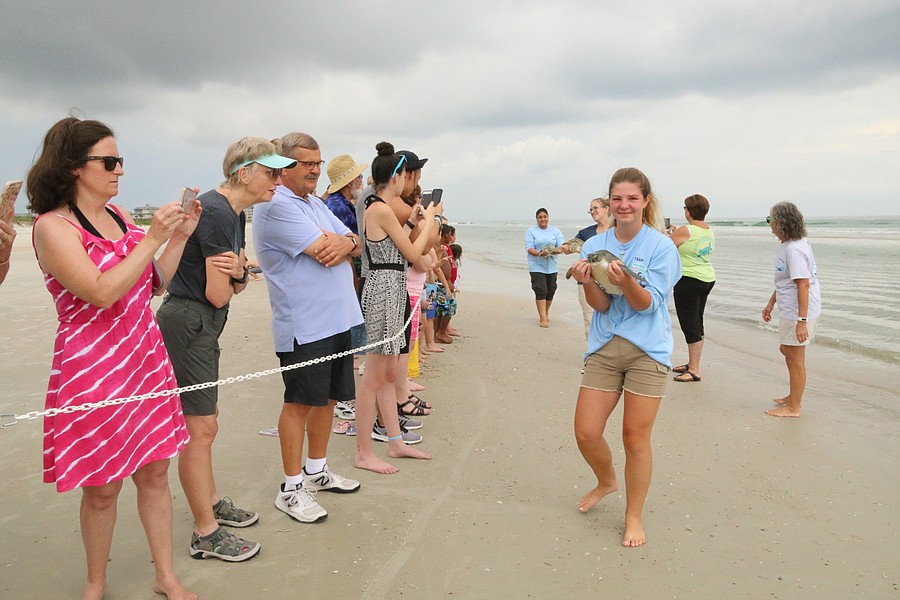
McKenzie Mungai, an intern, holds Ixora, Elisha Ali, an intern, holds Ulmus and Alli Bernstein, assistant manager for sea turtle rehab, holds Nysa. Photo by Nichole Osinski
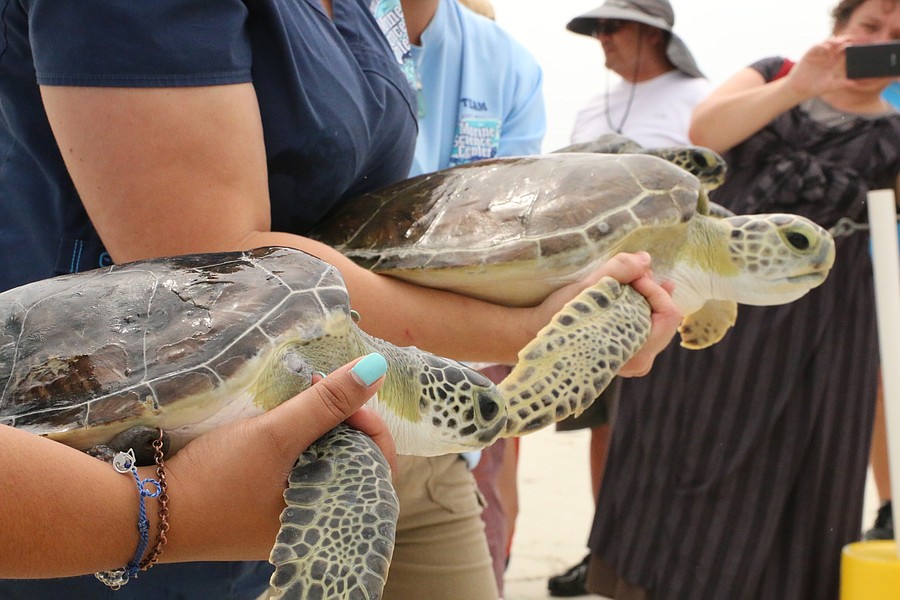
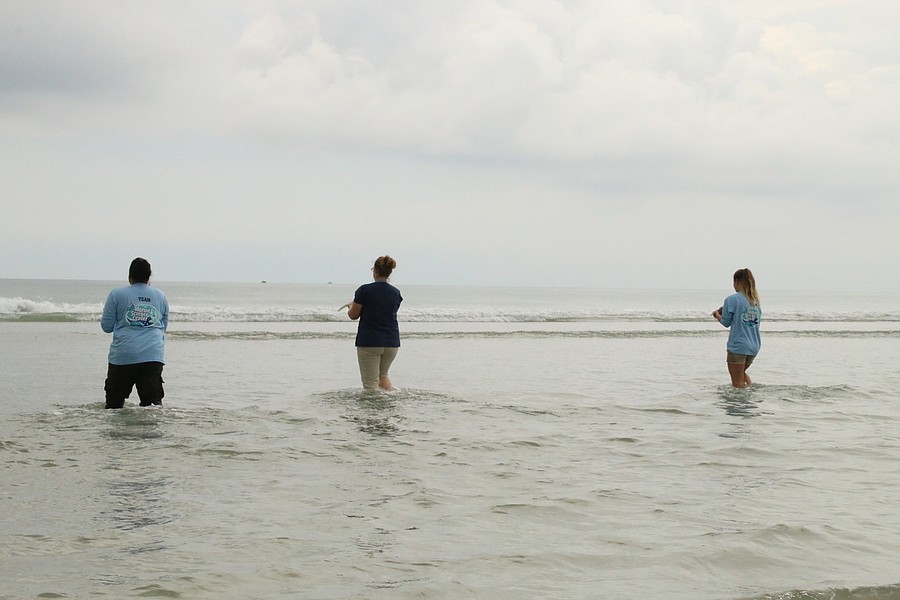
Nysa and Ixora are prepared to be released. Photo by Nichole Osinski
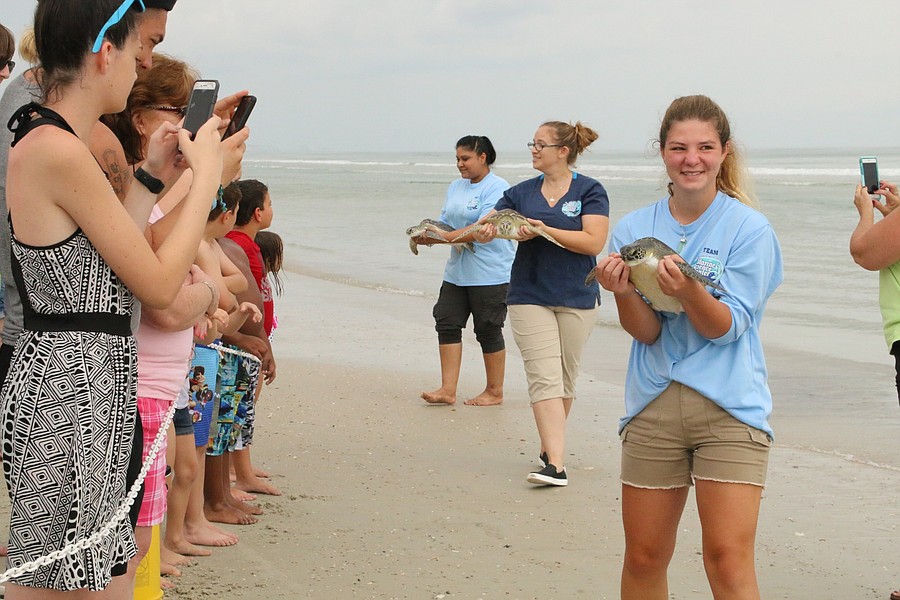
Elisha Ali, an intern, holds Ulmus, Alli Bernstein, assistant manager for sea turtle rehab, holds Nysa and McKenzie Mungai, an intern, holds Ixora. Photo by Nichole Osinski
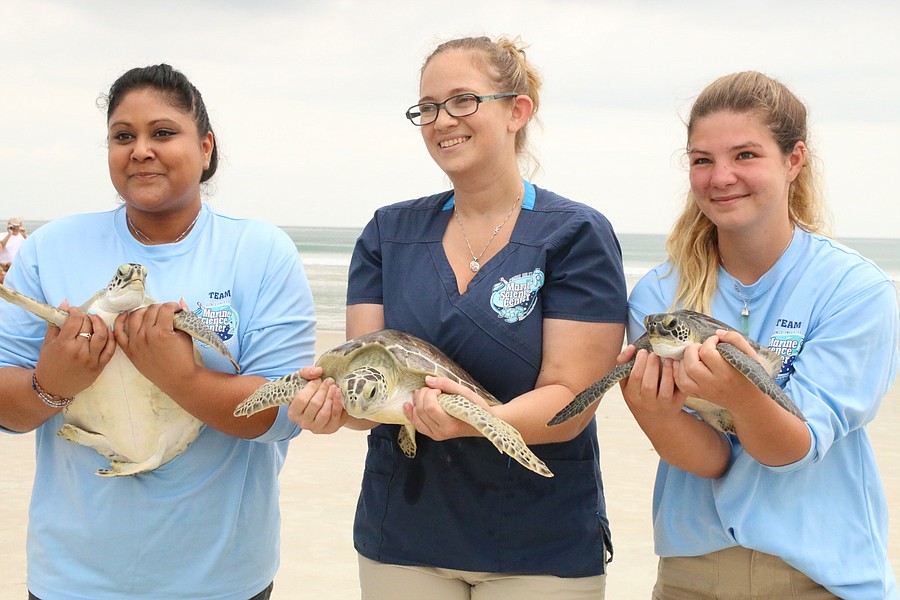
Elisha Ali, an intern, holds Ulmus, Alli Bernstein, assistant manager for sea turtle rehab, holds Nysa and McKenzie Mungai, an intern, holds Ixora. Photo by Nichole Osinski
Nysa and Ixora are prepared to be released. Photo by Nichole Osinski
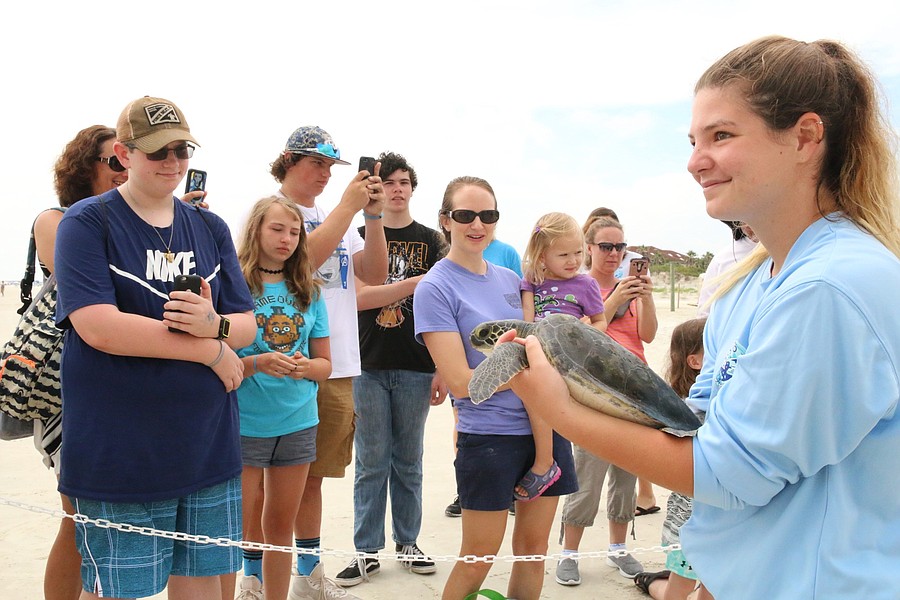
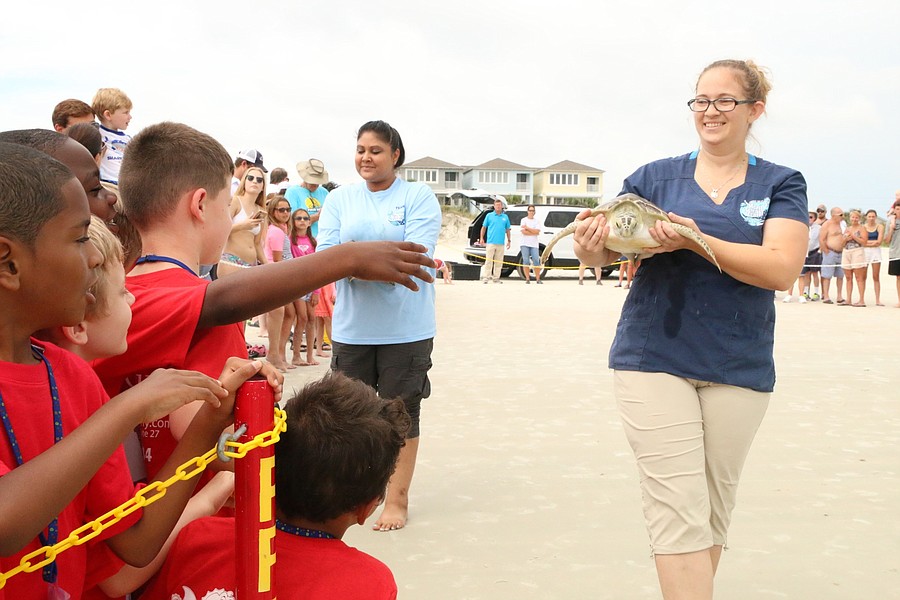
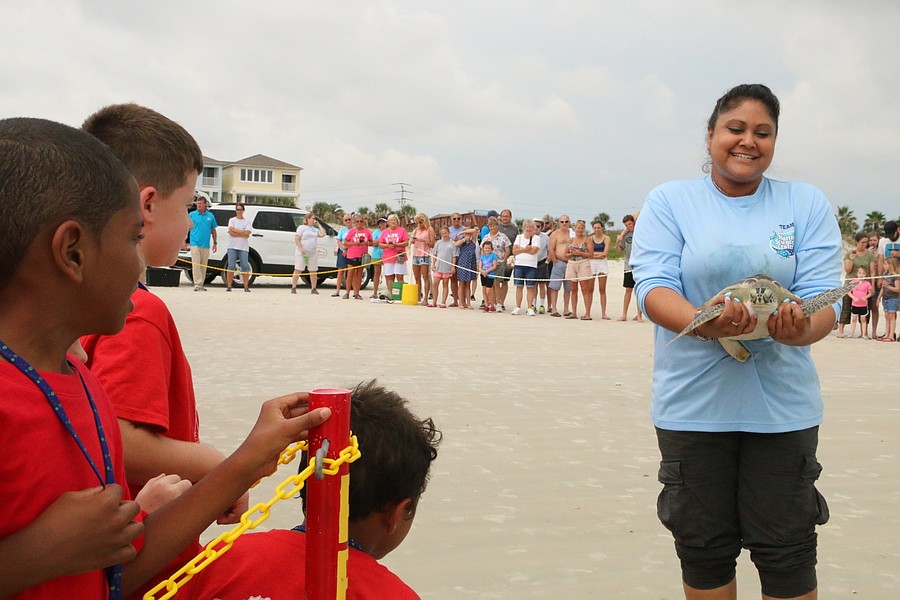
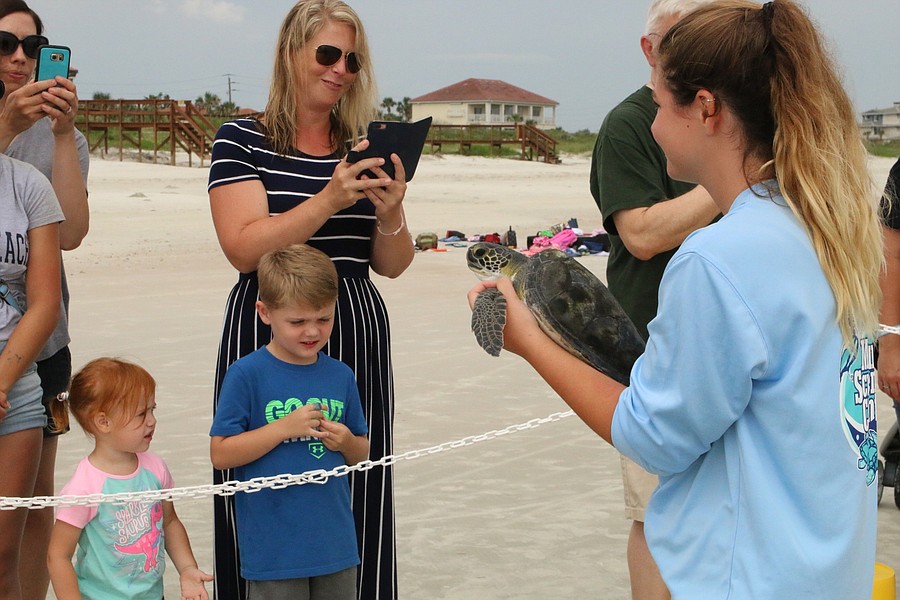
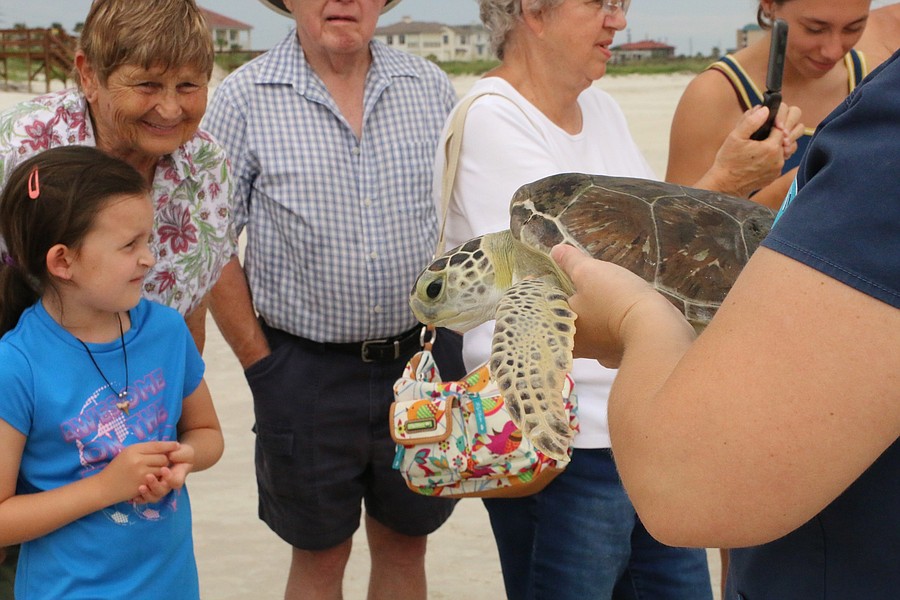
McKenzie Mungai, an intern, lets beachgoers look at Ixora. Photo by Nichole Osinski
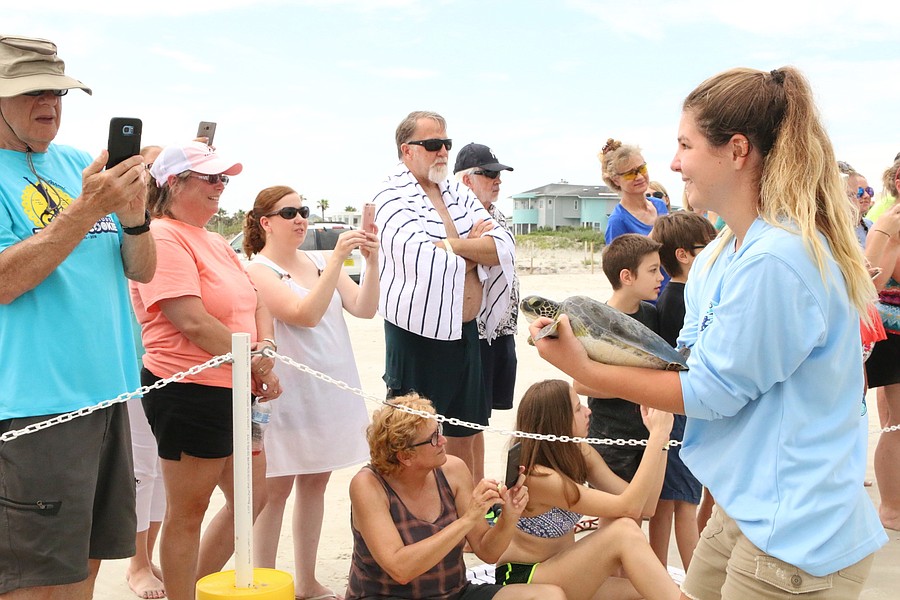
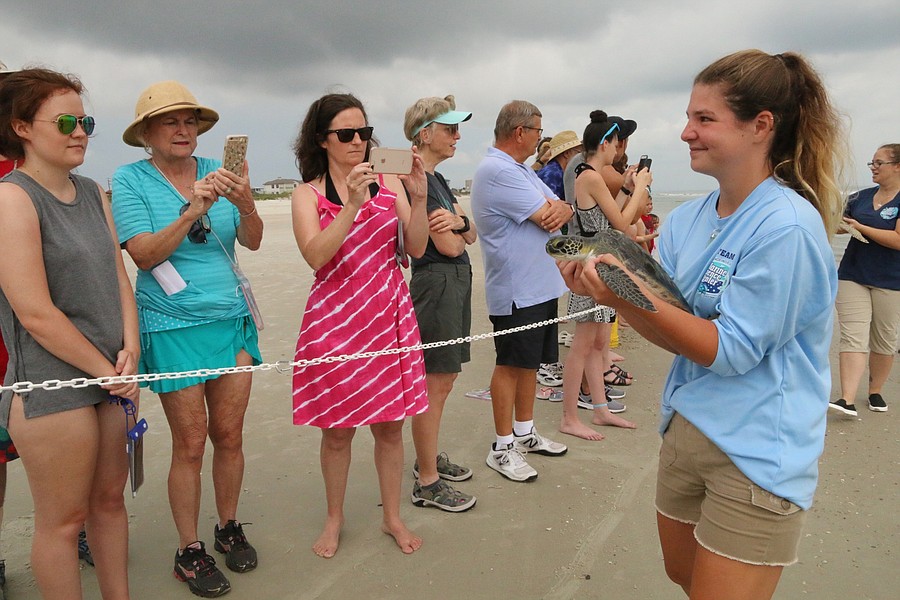
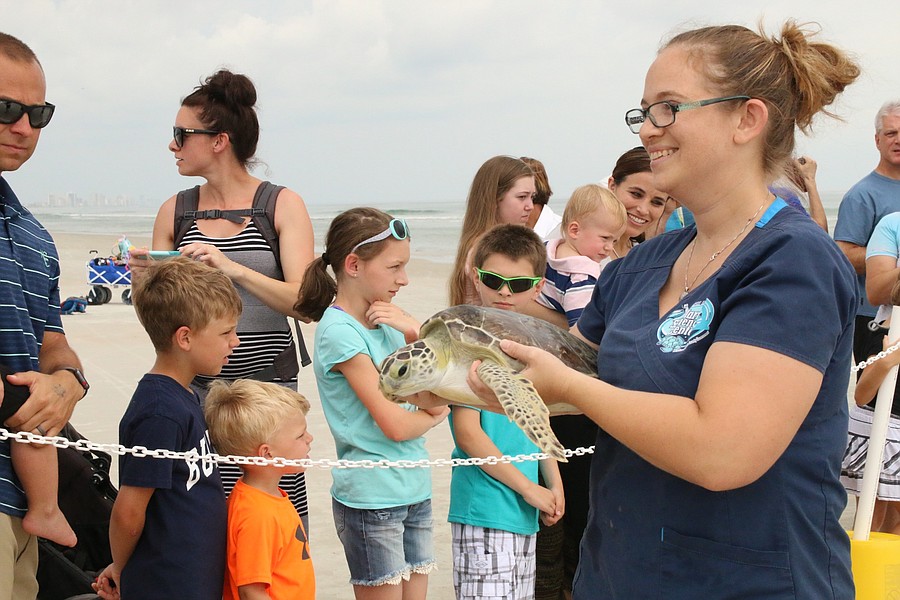
Alli Bernstein, assistant manager for sea turtle rehab, holds Nysa. Photo by Nichole Osinski
McKenzie Mungai, an intern, lets beachgoers look at Ixora. Photo by Nichole Osinski
McKenzie Mungai, an intern, lets beachgoers look at Ixora while Alli Bernstein, assistant manager for sea turtle rehab, holds Nysa. Photo by Nichole Osinski
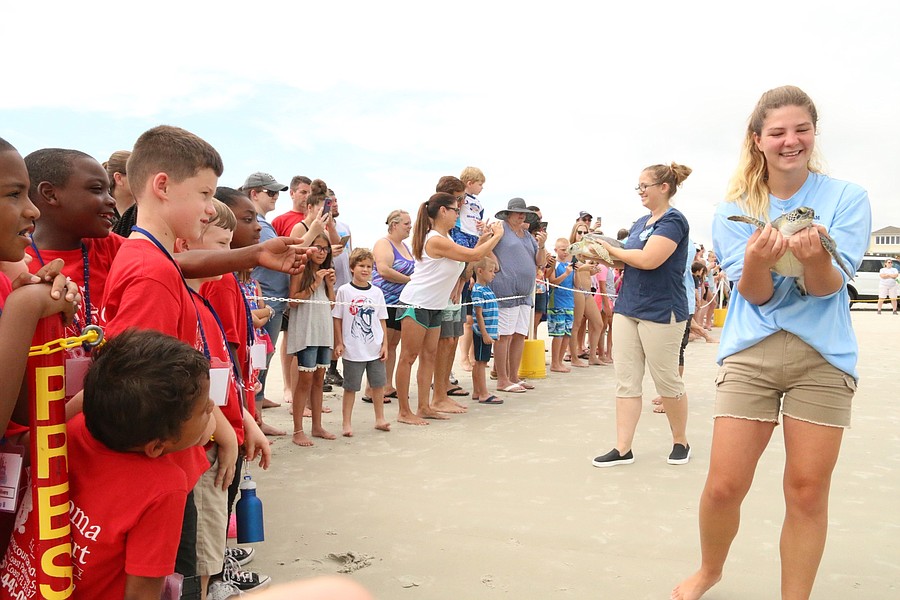
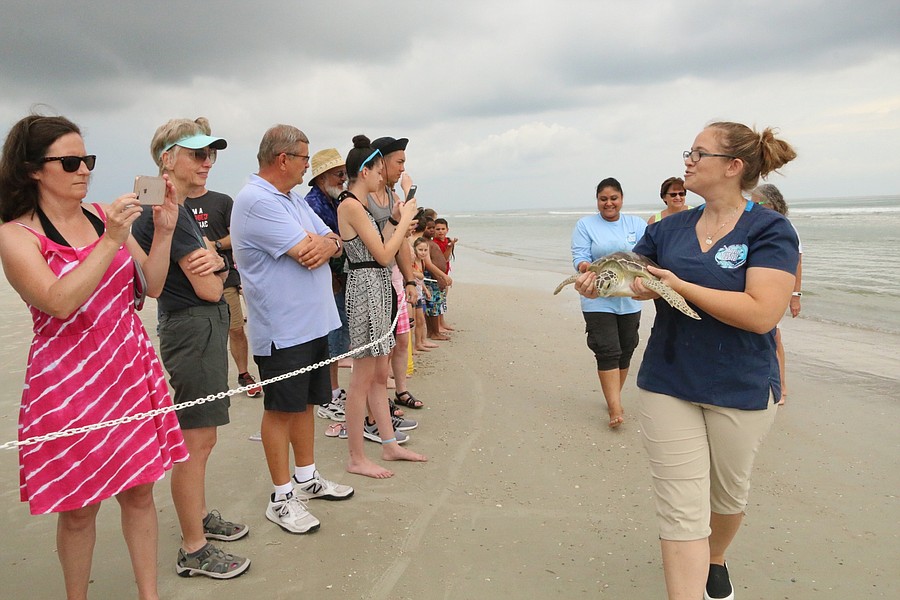
Elisha Ali, an intern, holds Ulmus and Alli Bernstein, assistant manager for sea turtle rehab, holds Nysa to show to beachgoers. Photo by Nichole Osinski
Elisha Ali, an intern, holds Ulmus and Alli Bernstein, assistant manager for sea turtle rehab, holds Nysa to show to beachgoers. Photo by Nichole Osinski
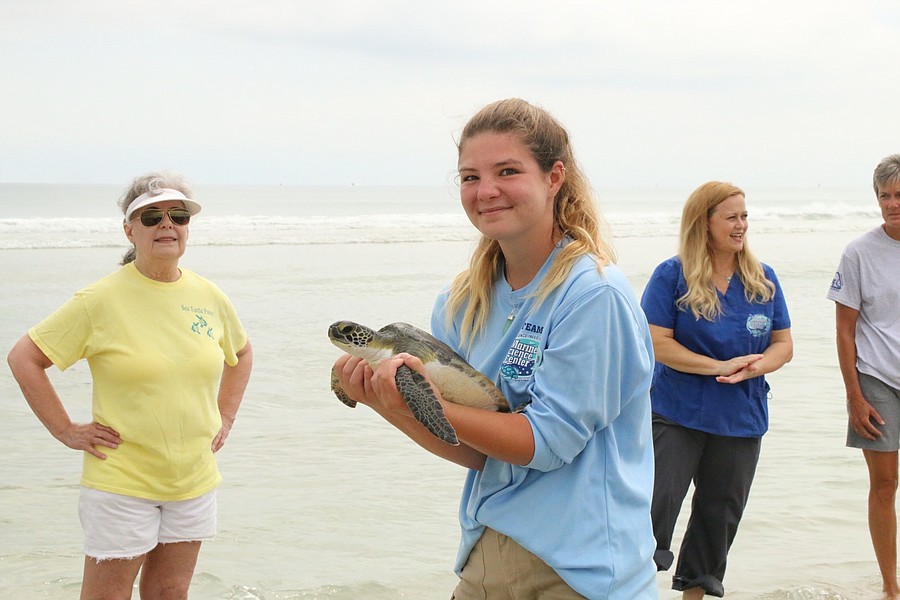
Elisha Ali, intern, holds Ulmus to show to beachgoers. Photo by Nichole Osinski
McKenzie Mungai, an intern, lets beachgoers look at Ixora. Photo by Nichole Osinski
Elisha Ali, an intern, holds Ulmus, Alli Bernstein, assistant manager for sea turtle rehab, holds Nysa and McKenzie Mungai, an intern, holds Ixora. Photo by Nichole Osinski
Elisha Ali, an intern, holds Ulmus, Alli Bernstein, assistant manager for sea turtle rehab, holds Nysa and McKenzie Mungai, an intern, holds Ixora. Photo by Nichole Osinski
McKenzie Mungai, an intern, lets beachgoers look at Ixora. Photo by Nichole Osinski
Elisha Ali, intern, holds Ulmus, Alli Bernstein, assistant manager for sea turtle rehab, holds Nysa and McKenzie Mungai, an intern, holds Ixora. Photo by Nichole Osinski
McKenzie Mungai, an intern, lets beachgoers look at Ixora. Photo by Nichole Osinski
Alli Bernstein, assistant manager for sea turtle rehab, holds Nysa for beachgoers to see. Photo by Nichole Osinski
Alli Bernstein, assistant manager for sea turtle rehab, holds Nysa for beachgoers to see. Photo by Nichole Osinski
Elisha Ali, an intern, holds Ulmus, Alli Bernstein, assistant manager for sea turtle rehab, holds Nysa and McKenzie Mungai, an intern, holds Ixora. Photo by Nichole Osinski
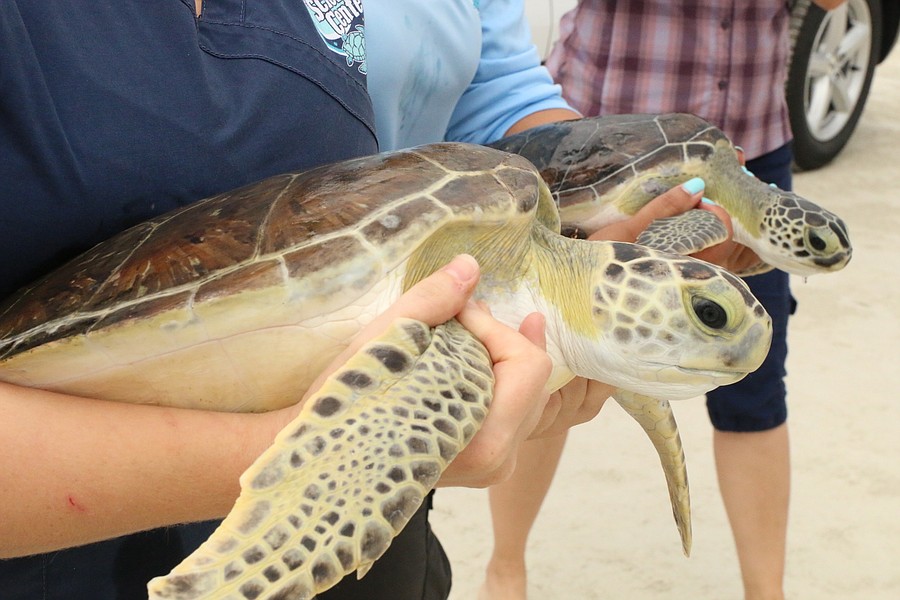
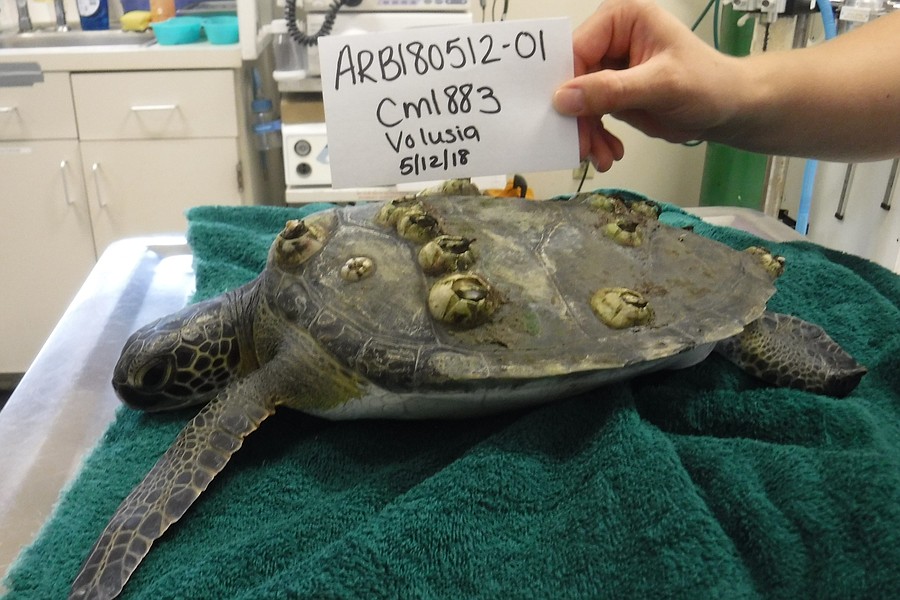
Ixora. Photo courtesy of the Marine Science Center
Ulmus. Photo courtesy of the Marine Science Center
"Goodbye turtles!"
A little boy called out to the three sea turtles that were being carried out past the sandbar and back into the ocean as a crowd watched from the beach cheering and snapping photos. And unlike some of the other releases the Marine Science Center has headed up in the past, these turtles were much smaller and had much more growing to do.
The juvenile green sea turtles — Ixora, Ulmus and Nysa — were released on Wednesday, June 6, and were shown to the crowd before being released.
Two of the turtles, Ixora and Ulmus, were being released after a little more than a month of rehabilitation. Ixora was found on May 12 after being washed into the docks at a marina in Ponce Inlet and was initially unable to dive. The turtle also had an electrolyte imbalance and low blood glucose level that caused it to become lethargic.
Rehab for Ixora consisted of dextrose, fluids, antibiotics, vitamins and calcium, which led to the turtle's buoyancy problem being resolved. She was five pounds when released.
"[That's] not even a months turnaround," Shell Webster, Marine Science Center Education Department, said. "That's a great thing for a turtle to get back out within a month."
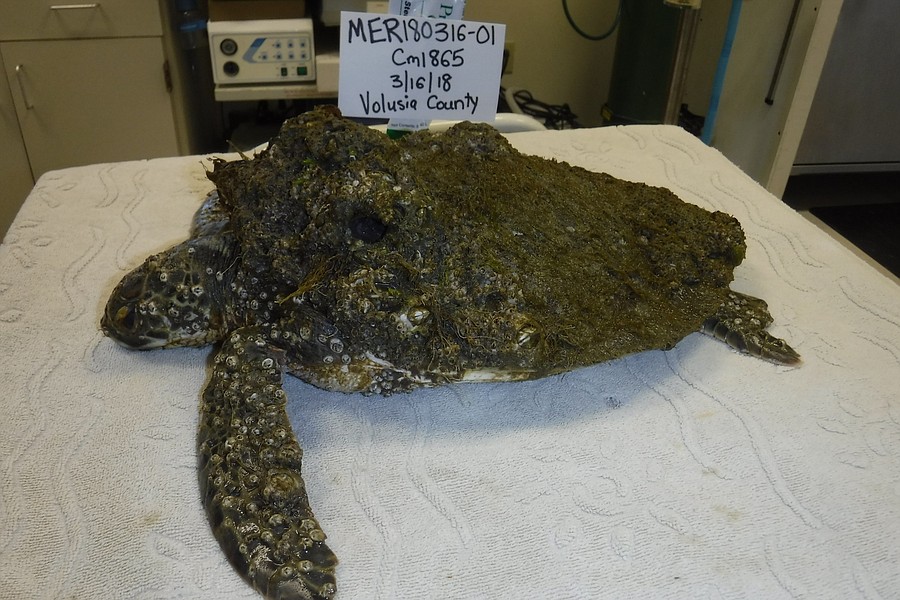
Ulmus was found on March 16 entangled in fishing line, floating just inside the Ponce de Leon Inlet area. The turtle was underweight, dehydrated, lethargic and covered in barnacles and algae, indicating that it had been debilitated for some time. Ulmus was treated with antibiotics, vitamins, anti-parasitic medication and fluids. She weighed around eight pounds upon her release.
Finally, there was Nysa who was found before the other two in January. According to Turtle Rehabilitation Manager Melissa Ranly, Nysa had severe digestive blockage due to sea grass being packed inside her. Ranly said it took a long time for Nysa to be cleared, but she was eventually well enough to start eating and reach a weight of almost 12 pounds.
According to Ranly, so far this year the Marine Science Center has treated 86 sea turtles.