- March 20, 2026

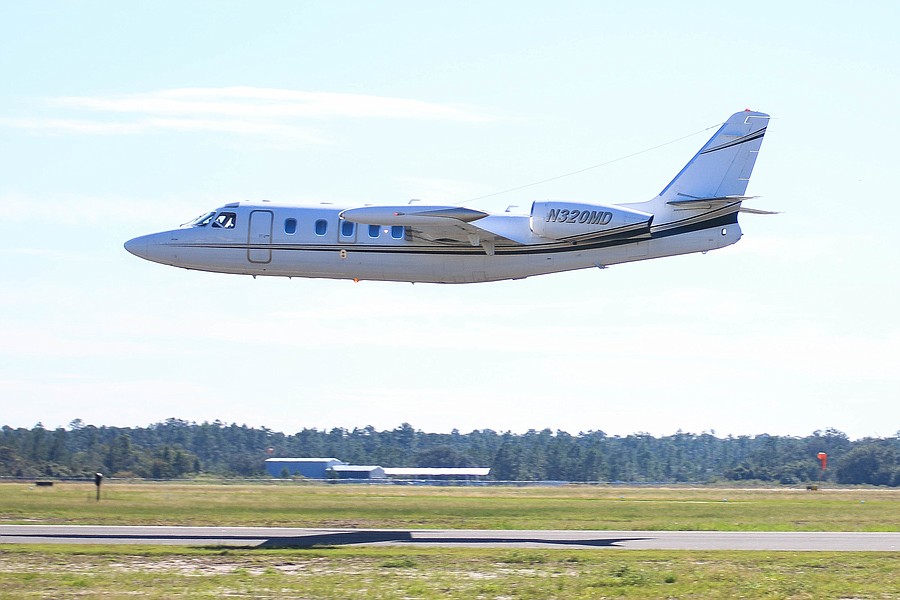
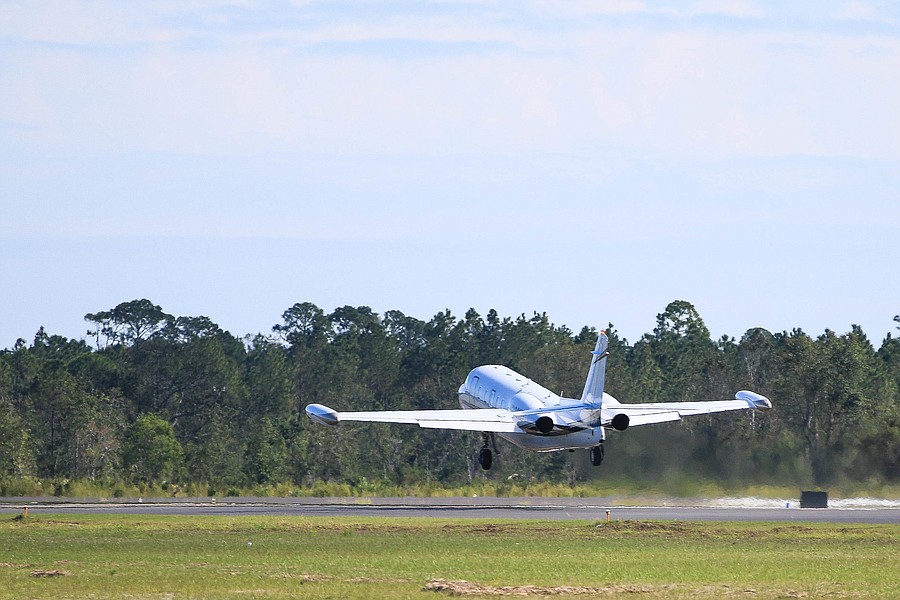
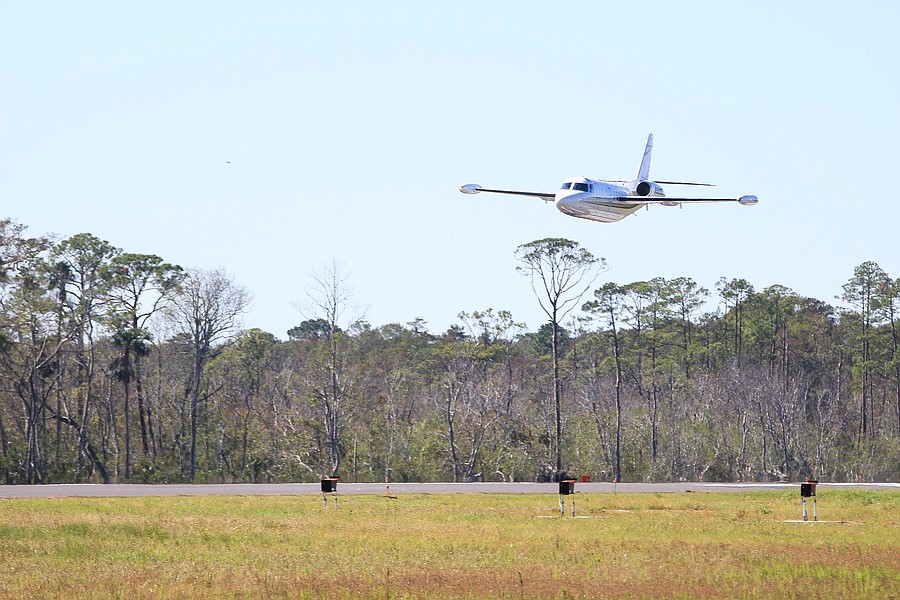
The first aircraft flies over the new Runway 11-29. Photo by Paige Wilson
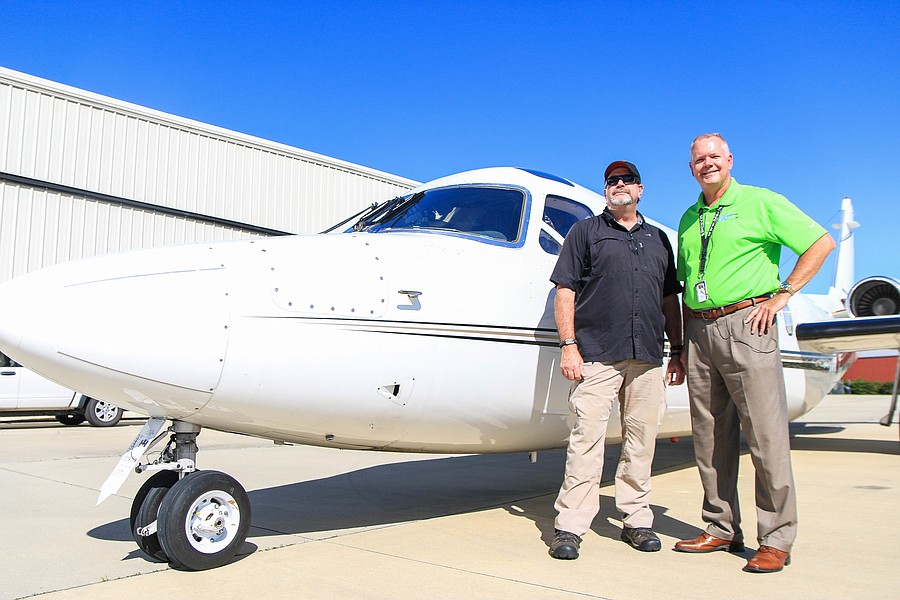
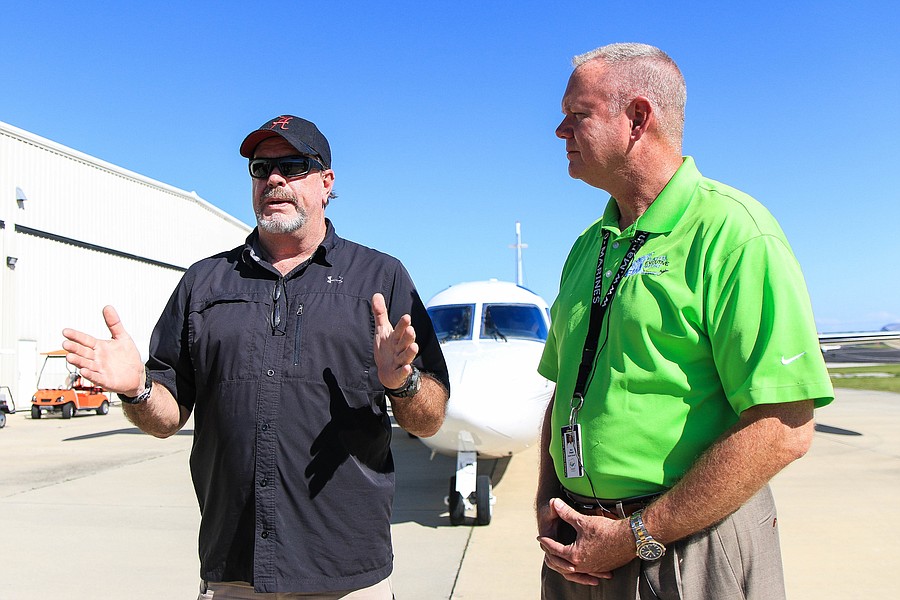
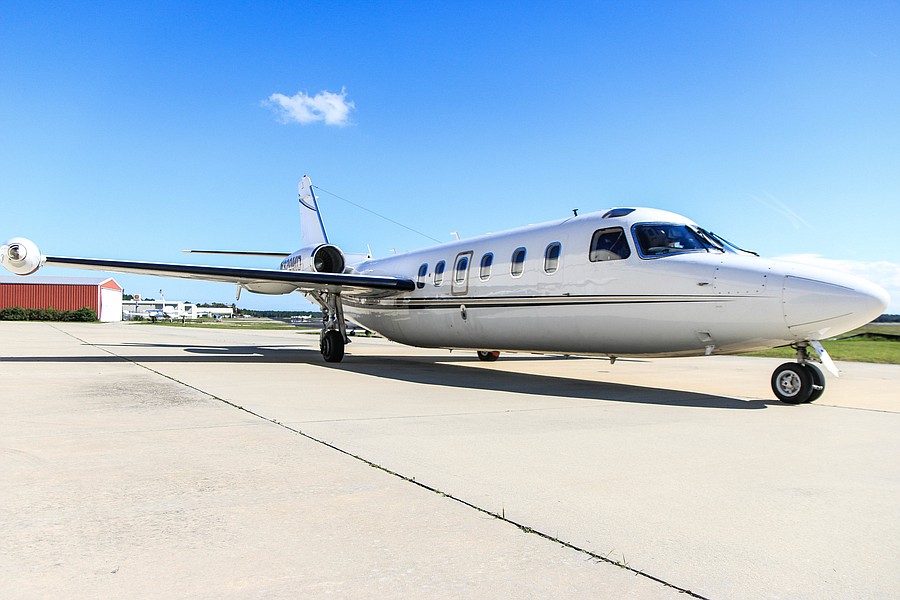
Pilot Tripp Wacker and Airport Director Roy Sieger pose by the Israeli Aircraft Westwind that Wacker piloted for the first takeoff and landing on the new Runway 11-29. Photo by Paige Wilson
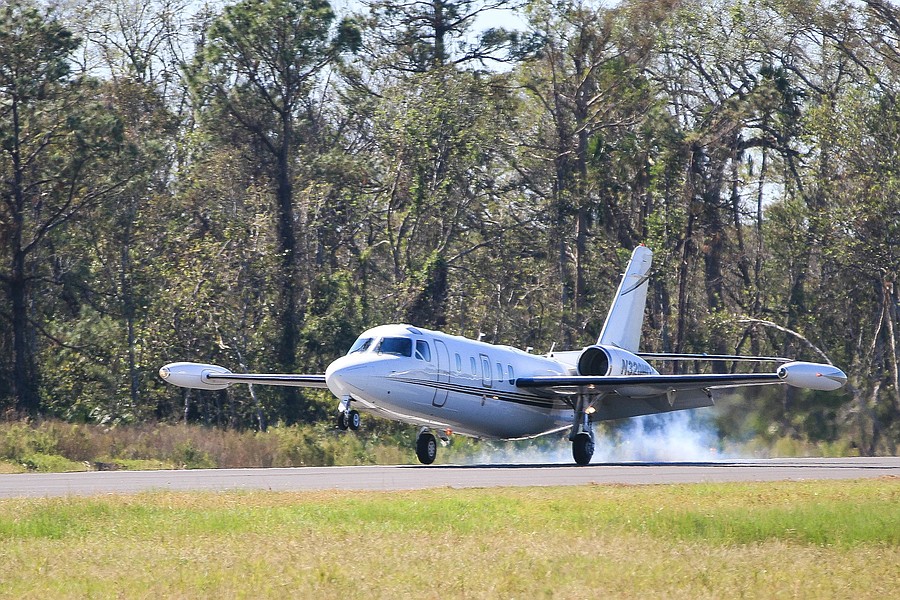
The first aircraft lands on the new Runway 11-29. Photo by Paige Wilson
Pilot Tripp Wacker and Airport Director Roy Sieger answer questions from the press in front of the Israeli Aircraft Westwind that Wacker piloted for the first takeoff and landing on the new Runway 11-29. Photo by Paige Wilson
The first aircraft takes off from the new Runway 11-29. Photo by Paige Wilson
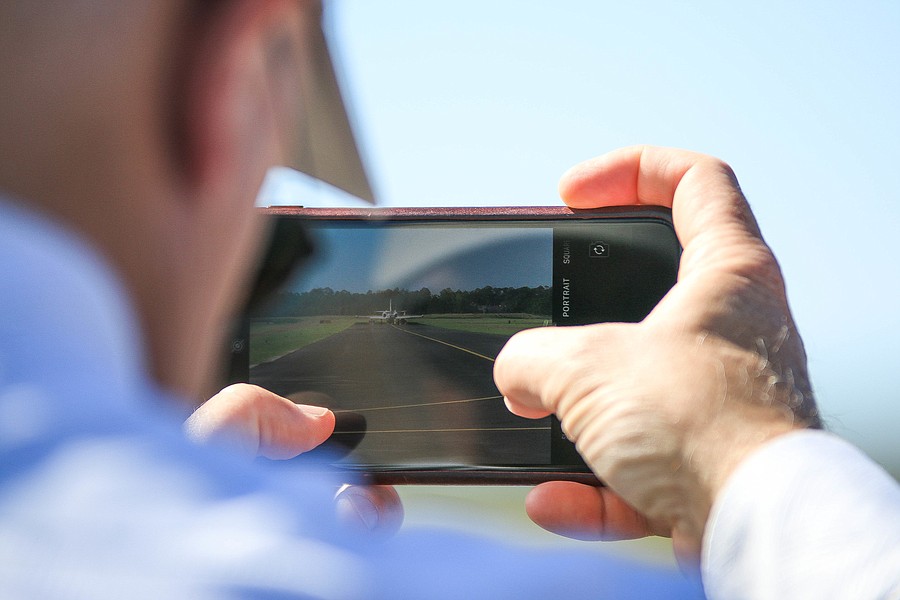
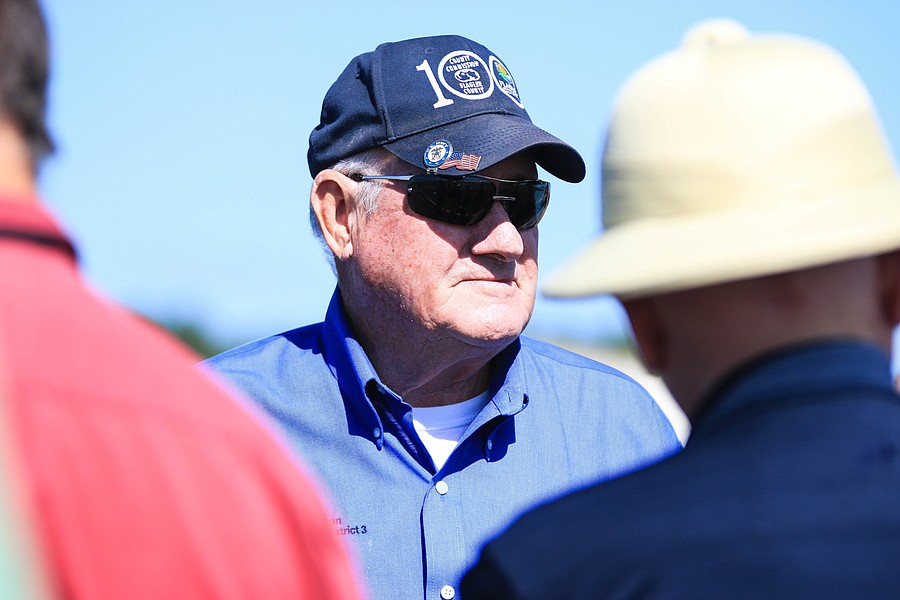
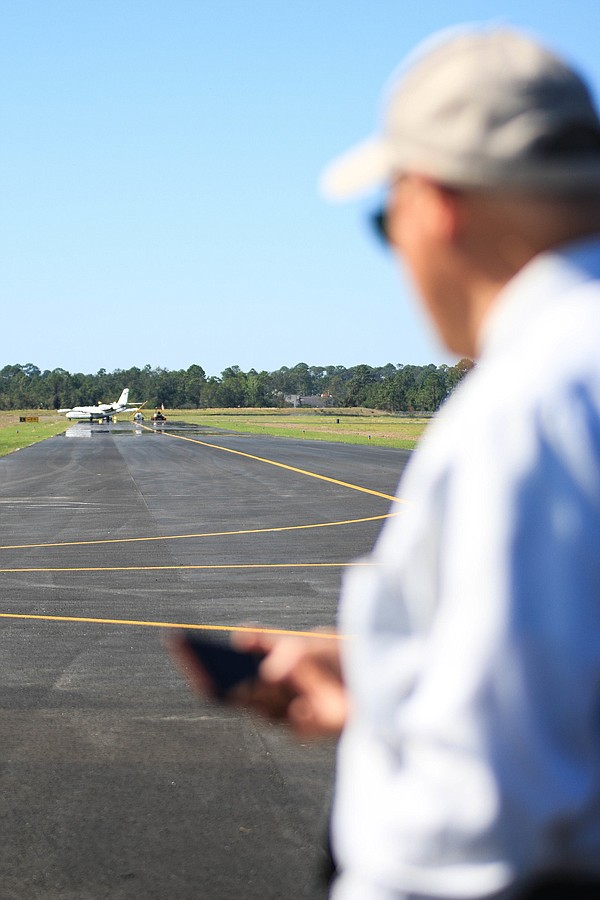
Flagler County Commissioner Donald O'Brien zooms in on his phone as the aircraft makes its way to the new Runway 11-29. Photo by Paige Wilson
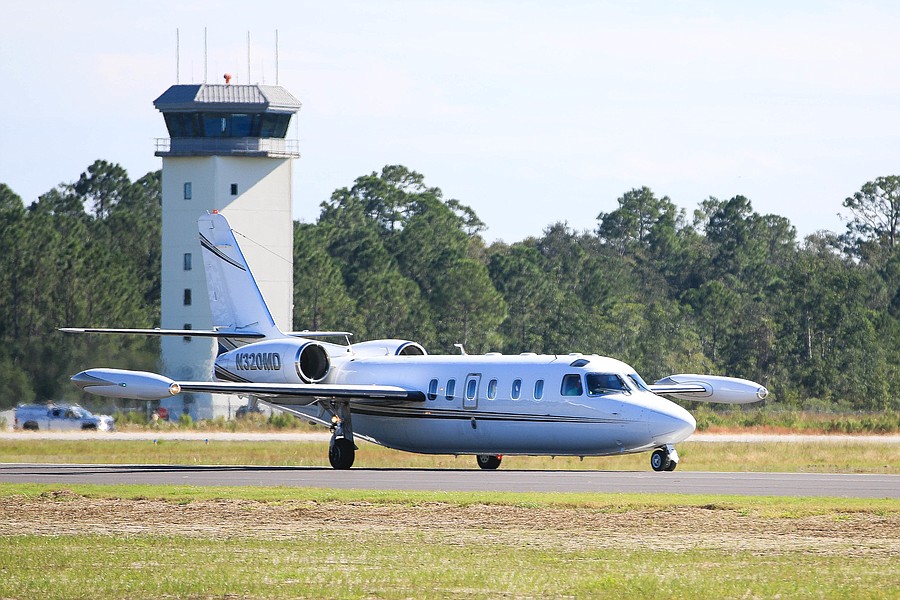
The Israeli Aircraft Westwind that Tripp Wacker piloted for the first takeoff and landing on the new Runway 11-29. Photo by Paige Wilson
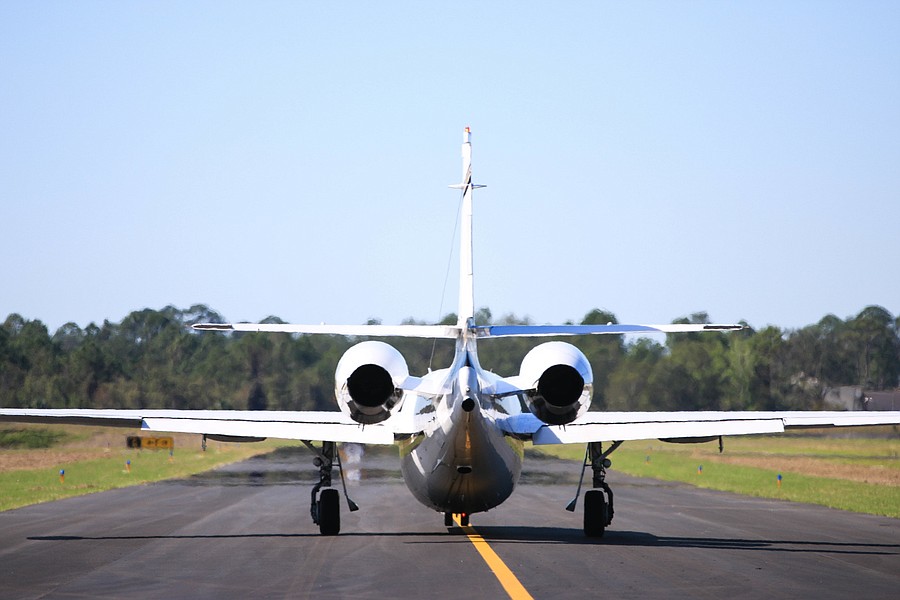
The first aircraft to take off and land on the new Runway 11-29 makes its way down the taxiway before takeoff. Photo by Paige Wilson
Flagler County Commissioner David Sullivan awaits the historic takeoff. Photo by Paige Wilson
The first aircraft flies over the new Runway 11-29. Photo by Paige Wilson
Flagler County Commissioner Donald O'Brien watches the aircraft make its way to the new Runway 11-29. Photo by Paige Wilson
The first aircraft on the new Runway 11-29 turns around after landing. Photo by Paige Wilson
Longtime pilot Tripp Wacker christened the new Runway 11-29 at Flagler Executive Airport on Tuesday, Oct. 24, to celebrate the runway’s expansion of about 500 feet from the previous length, making it 5,500 feet long and 100 feet wide.
Wacker, of Ryan Aviation Inc., piloted the takeoff, flyover and landing of the 1981 Israeli Aircraft Westwind, which can seat eight passengers and two pilots, on the expanded runway.
Airport Director Roy Sieger said the main reason for the project was safety, as the expansion increases the margin of error in case an aircraft overruns the runway. In addition, it will allow corporate jets to take on more fuel and therefore increase the airport's sale of fuel, which is one of the airport’s main sources of revenue.
“We like to sell more gas,” Sieger said. “As I always like to tell the taxpayers of Flagler County, the airport is a true enterprise fund. We don’t take any money from the taxpayers. We don’t spend money that we don’t make. We sell the fuel, so that’s a great thing that we can actually increase our market.”
Wacker, a Flagler Beach resident who’s logged 18,000 hours in the air over his 30 years as a pilot, said he’s appreciative of Sieger’s efforts to make the airport safer.
“It increases the safety areas in case, God forbid, if we do have a problem or a situation where someone overruns the runway itself, the length makes it a lot safer for our operations,” Wacker said. “And, therefore, our trips can be longer, and we’re not condensed to having to make fuel stops inconveniently.”
Flagler County Commissioner Donald O’Brien said he came to see the historic takeoff and landing because it’s important to recognize the start and completion of county projects.
“It signifies a new stage in the airport for the ability to service the longer flights and for us to be able to sell more fuel,” O’Brien said. “It just creates a whole other level of economic development opportunities for the airport and surrounding area.”
Sieger said the project “has been a long time coming,” as the idea was formed in 1996 and construction started in February 2017.
“As we open up 11-29, we close 6-24 as we complete the final phase of the full parallel taxiway,” Sieger said. “Once that’s completed, we’ll have the whole airport opened up to 100%.”