- April 3, 2026

The weather forecast may have been showing signs of rain but that didn't stop locals from getting outside and and learning about nature and wildlife.
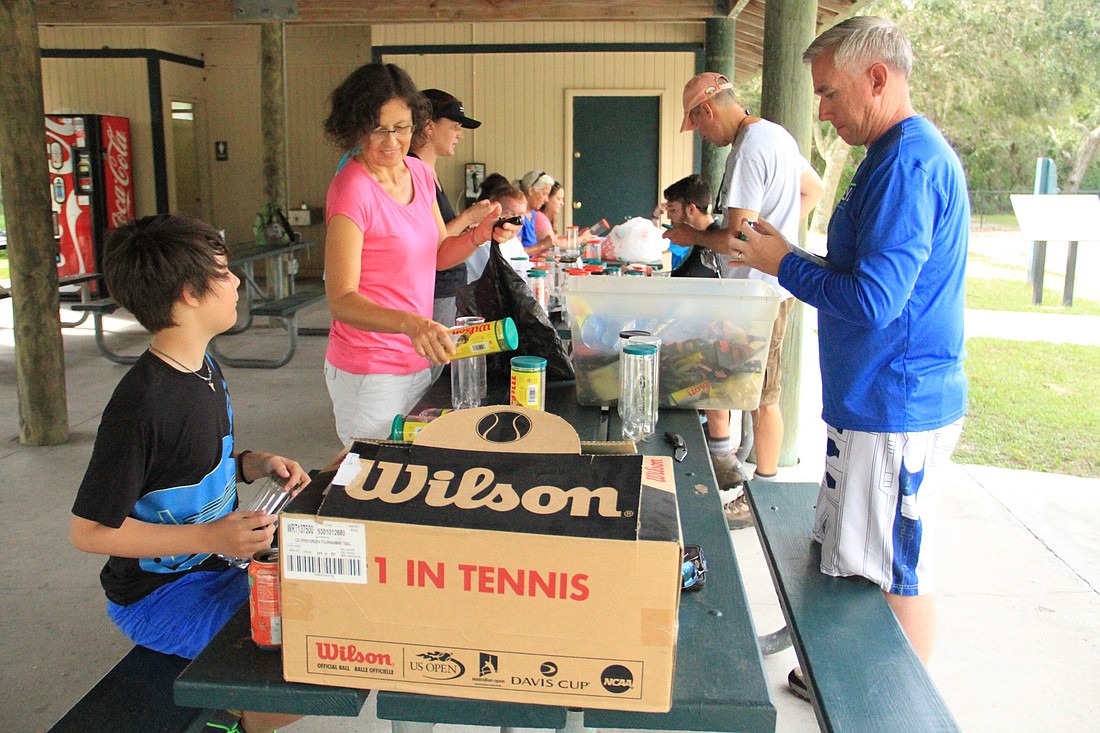
On Saturday, Aug. 26, families gathered at Spruce Creek Park to hike, look for wildlife and make mini monofilament recycling bins. Monofilament recycling bins may not be something heard everyday but the bins are a helpful way to clean up and recycle fishing line, made out of monofilament.
The project was part of a new educational program started by Laura Albert, volunteer coordinator for the Volusia County Environmental Management Division. Saturday's program, which ran from 9 a.m. to 11:30 a.m. was the third in a series started this year.
"I was getting a lot of emails and phone calls from people...with younger kids, and they wanted to do some sort of volunteer program," Albert said. "In general, the volunteer Volusia program tends to be more for 18 and older, a few are 16 and over, but we really didn't have anything young kids could participate in."
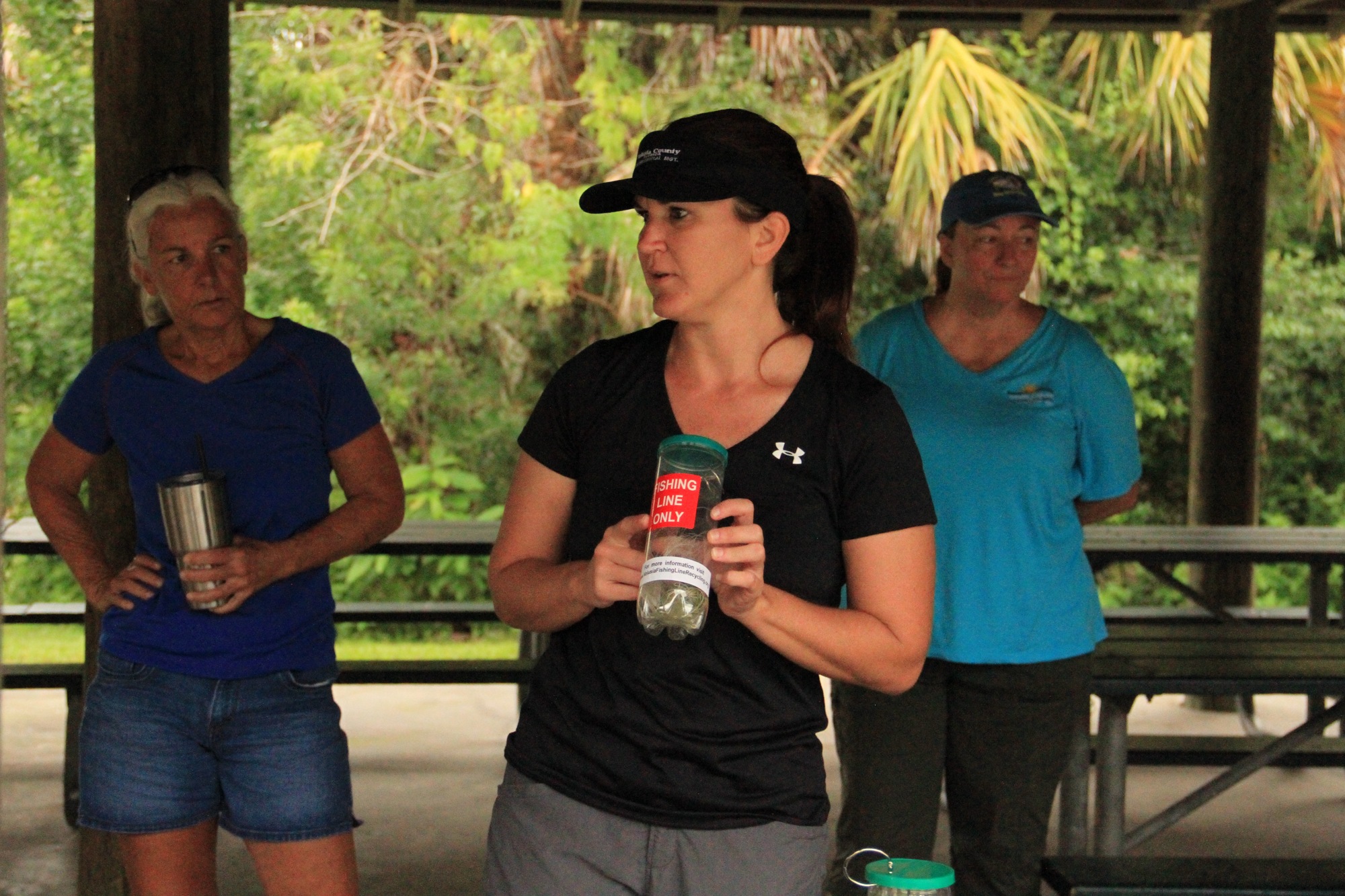
Participants first met at the park's pavilion where they learned about monofilament lines and the problems it can cause in regards to marine debris inland, on the beach and throughout waterways. The fishing lines can accumulate creating issues for wildlife and people.
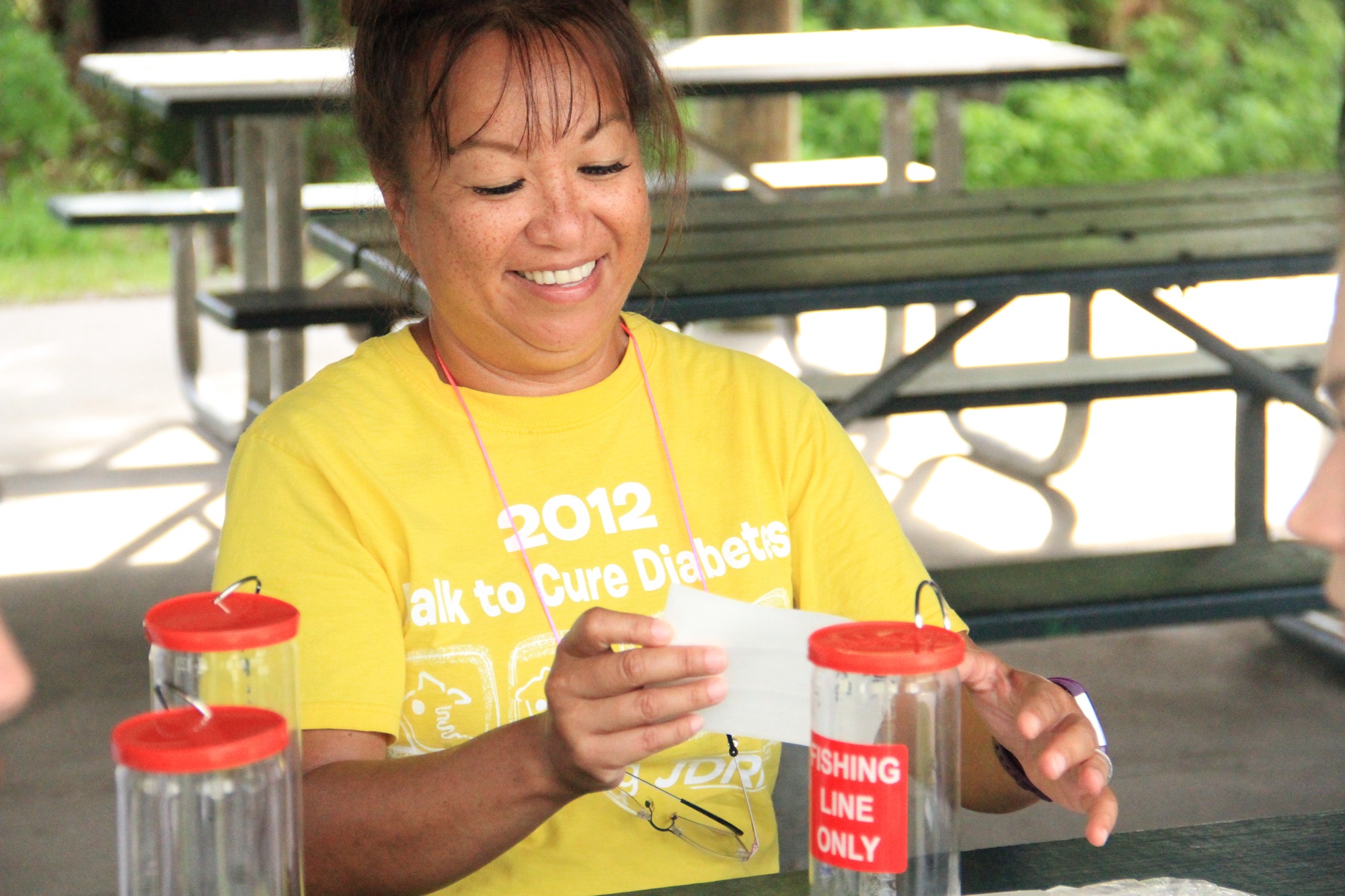
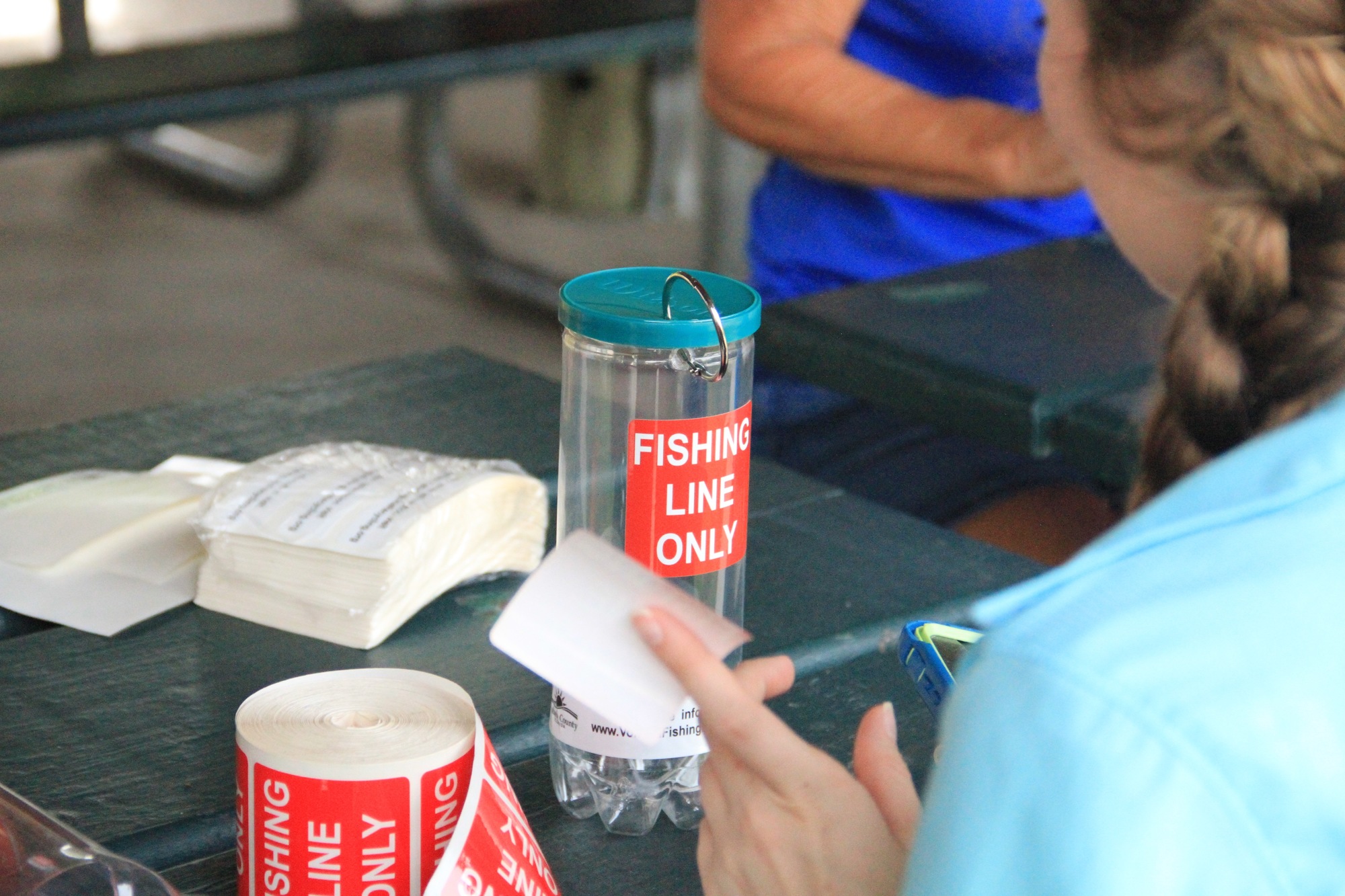
However, the monofilament lines are recyclable and that was why residents were at the park. They were given tennis ball containers that they worked on to make it easier for anglers to clip onto their tackle boxes then deposit their lines in the containers.
The line can later be dropped off at recycling bins in the area. The dropped off monofilament gets recycled at Berkley Recycling in California where it is repurposed into items such as tackle boxes, according to Trey Hannah, environmental specialist II for the Volusia County Environmental Management Division.
According to Hannah, the fishing line can stay in the environment for as long as 600 years.
"It's a problem everywhere, not just Volusia, and it's not so much that they're improperly discarding it. Any person that fishes eventually loses a line at some point," Hannah said. "Pretty much any line that is lost is still out there. So what we try to do is collect as much of that monofilament line as possible to be recycled."
Hannah, who provides education throughout the county, said he also wants to raise awareness about the conservation lands.
For Hannah and Albert, the programs are also a way to encourage residents to get outside and explore local areas they may not have known about before.
"It's a way to raise awareness and have a little fun outdoors," Hannah said.
After making the recycling bins, participants then went on a half-mile nature hike where they learned about native and invasive plants. They also visited an observation tower to look for birds before looking at the safe nets in the water to identify marine life.
"They're helped along to understand what's going on out there but it's also to get a conservation message, whether that's with cleanup or making monofilament bins," Albert said. "It's just to raise awareness that we need to take care of our natural areas."