- April 7, 2026

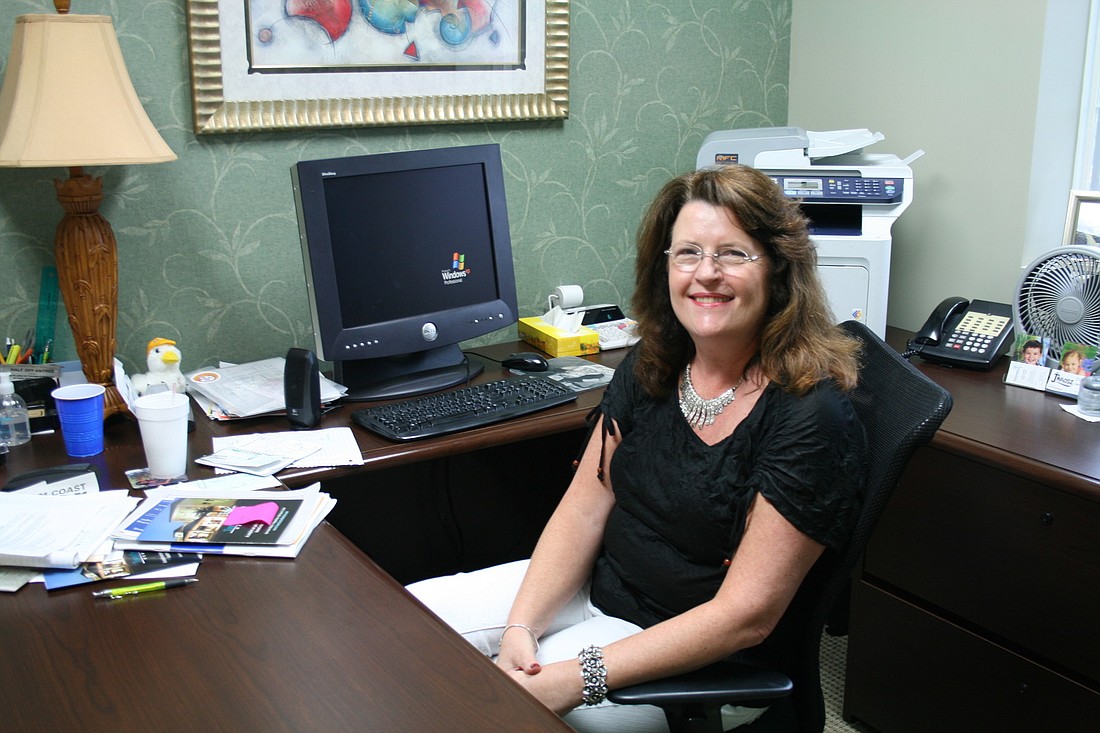
Ron Cope was vacationing in Key West when he began to slur his words, though he hadn’t been drinking. He and his wife thought it might be an allergic reaction, until later, when he tried to sign a fishing license and couldn’t do it: His hand merely drew circles. But he didn’t think it was anything major.
When he got home, Cope went to a doctor. They ran some tests and discovered he had a couple of small strokes — the first of 30 he would have over the next decade.
Linda Jaroz had a week of excruciating headaches that left her lying in her bed, a bag of frozen peas on her brow. But they came as quickly as they went, and they didn’t seem worth a trip to the hospital. She decided it was nothing.
Days later, Jaroz was in intensive care after suffering a major stroke. Her family then learned that her headaches had each been minor strokes themselves. Jaroz had five strokes that month, and they left her unable to walk, talk or, at first, recognize her own daughter.
“It was as if someone had taken an eraser and erased everything about me,” Jaroz said. She was 46.
Cope’s fourth stroke was the first major one for him. It left him in a similar state. Both Cope and Jaroz had to undergo extensive therapy and relearn how to do simple tasks. But the real change was to their relationships. Having a stroke changes everything about you, Jaroz said. Cope, too, went from being a joking, gregarious man to one a bit more reserved, whose slowed speech often leaves people ignoring him, though he was once always the center of attention.
“I would start a sentence and after about two words, I realize that everyone’s on their own thing,” Cope, now 80, said. “I don’t think they meant it. But that’s how it is now.”
When Jaroz was three years into her recovery and physically almost back to normal, she said she still didn’t feel quite right. After eight days of intensive care, Jaroz spent about nine months in intense rehabilitation. She had lost many of her connections during that time.
She decided to seek out a support group and attended a stroke club in St. Augustine and found that being around other people who understood her struggles helped, but there was no local option. So she, along with Jim Bowe, owner of Arrow Rehabilitation, founded a Palm Coast stroke club in 2010.
The club meets once a month. Usually, about a dozen people — both stroke victims and their spouses or caregivers — attend to hear speakers talk about their struggles.
For the Copes, stroke club has been monumental. Cope had his last stroke in 2003, and has since been put on a blood thinning medication that seems to be helping him, but you never fully recover from a stroke. It was easy for him to feel sorry for himself after his first major stroke, and more so when he kept having them, but finding a stroke club near Boca Raton, where he was living at the time, helped him develop a positive attitude. To him, that’s the most important part of recovering. He has since moved to Palm Coast and joined the stroke club in town.
He describes his wife, Carol, as his angel. She does contract work and cares for her husband, while making sure that he keeps himself and his mind busy rather than sitting stagnant on a chair. Stroke club has helped her, also, because it provides support for caregivers, who undergo a lot themselves. Carol Cope has watched many caregivers sink into depression.
“I had to learn that the man that I have right now is not the same man I married,” Carol Cope said. “His personality was different. He used to be a real jokester and kid a lot, and I realized I couldn’t kid with him in the same way I used to — he’d take me seriously.”
Palm Coast’s stroke club is held at 11 a.m. the third Tuesday of each month at Florida Hospital Flagler’s education center. For more information, call 586-3866.
“A group of people with shared experiences is always fulfilling to me,” Jaroz said. “It’s about being around people who understand what I’m saying, who understand what I’ve gone through.”