- April 7, 2026

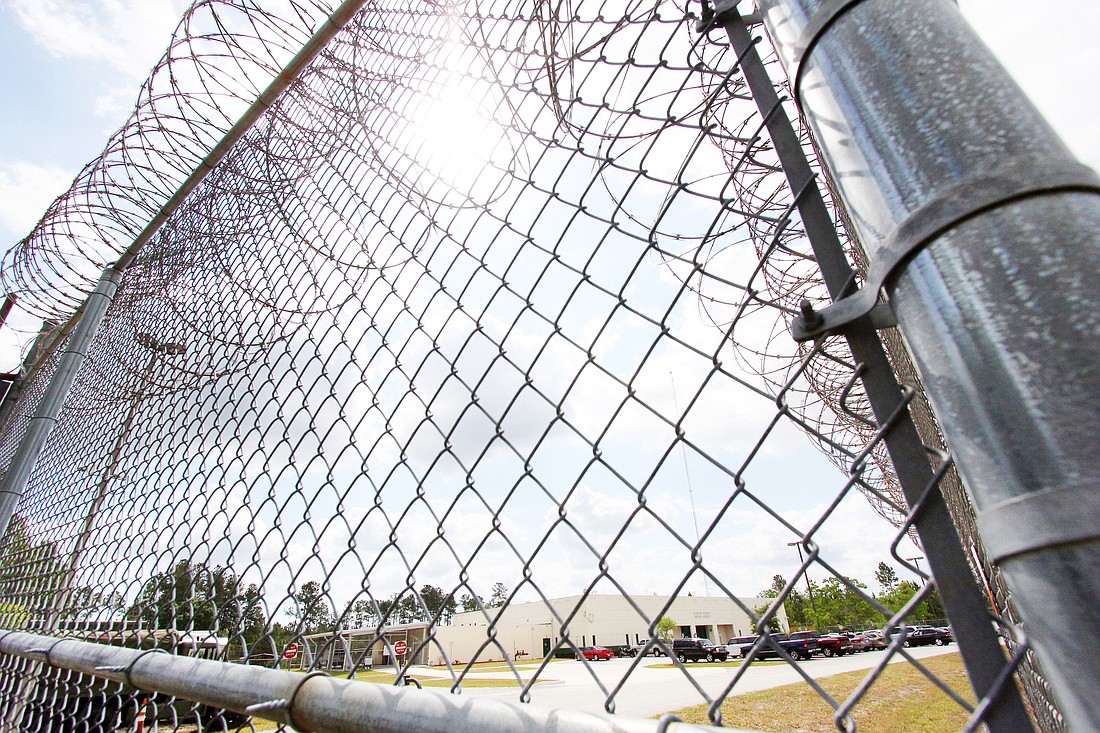
It’s 1 a.m. Saturday at the Flagler County Inmate Facility. An intoxicated man in handcuffs isn’t cooperating. He needs to be placed in a holding cell until he has finished coming off the effects of alcohol, but the supervisor on duty has no place to put him. All eight holding cells are occupied.
There is a female waiting to bond out in holding cell No. 8. The supervisor can either put the female inmate on the booking bench, which isn’t secure, or go into the visitation room while the control deputy keeps an eye on her.
While this is going on, another intoxicated male comes in. He isn’t violent, but he, too, will be placed on detox watch. Before he can complete the booking process, a juvenile has come into booking. The juvenile will be released to his parents, but he must be booked first. The juvenile is now the first priority, because state law requires that he be kept out of sight and sound of adult inmates. The supervisor would like to house together the two intoxicated males who just came in, but the first intoxicated male is still displaying aggressive behavior, and this could be unsafe.
And so, the supervisor makes a decision: The elderly inmate with breathing equipment who is in holding cell No. 4 (who can’t be in general population because the equipment could be used as a weapon) will now be placed in the minimum security block. Because of this, the security guard must pay extra attention to the equipment and extension cords that are sprawled across the jail floor.
It’s now 3:30 a.m., and the female inmate who was waiting for her bond is about to be released. While preparing to release her, a fight breaks out in the maximum security block, and one inmate has to be sent to the hospital. When he returns at 5:30 a.m., he must be watched for the next 12 hours because of a head injury, so he’s placed in the holding cell with the nonviolent intoxicated male who came in earlier.
All in a night’s work.
The scenario described above is an example of what Becky Quintieri, corrections division director for the Flagler County Sheriff’s Office, deals with regularly in the jail, which is almost always over capacity — sometimes by as many as 40 inmates.
“The daily operations are affected by us having to constantly play a shell game with shuffling inmates,” Quintieri said, adding that jail supervisors spend a great deal of time weighing the risks posed to staff as a result of the overpopulated facility.
At 6 a.m., the day shift arrives, and the night supervisors explain what moves were made throughout the night. As the day goes on, the detox watch expires on the intoxicated male and the other intoxicated male, who was violent, is no longer hostile. And so, the day supervisor begins to reverse all the changes the night supervisor has made.
For the full story, click the links below:
Page 1 | Page 2 | Page 3